Glencore
Trader accuses Glencore of concealing the nature of their business ties
Radiant World is suing Glencore for more than $2 billion and alleges that the commodities group kept the true nature of their trading relationship out of audited records. The article would distinguish allegations from established facts, outline Glencore’s response and examine the governance and transparency issues raised by the case.
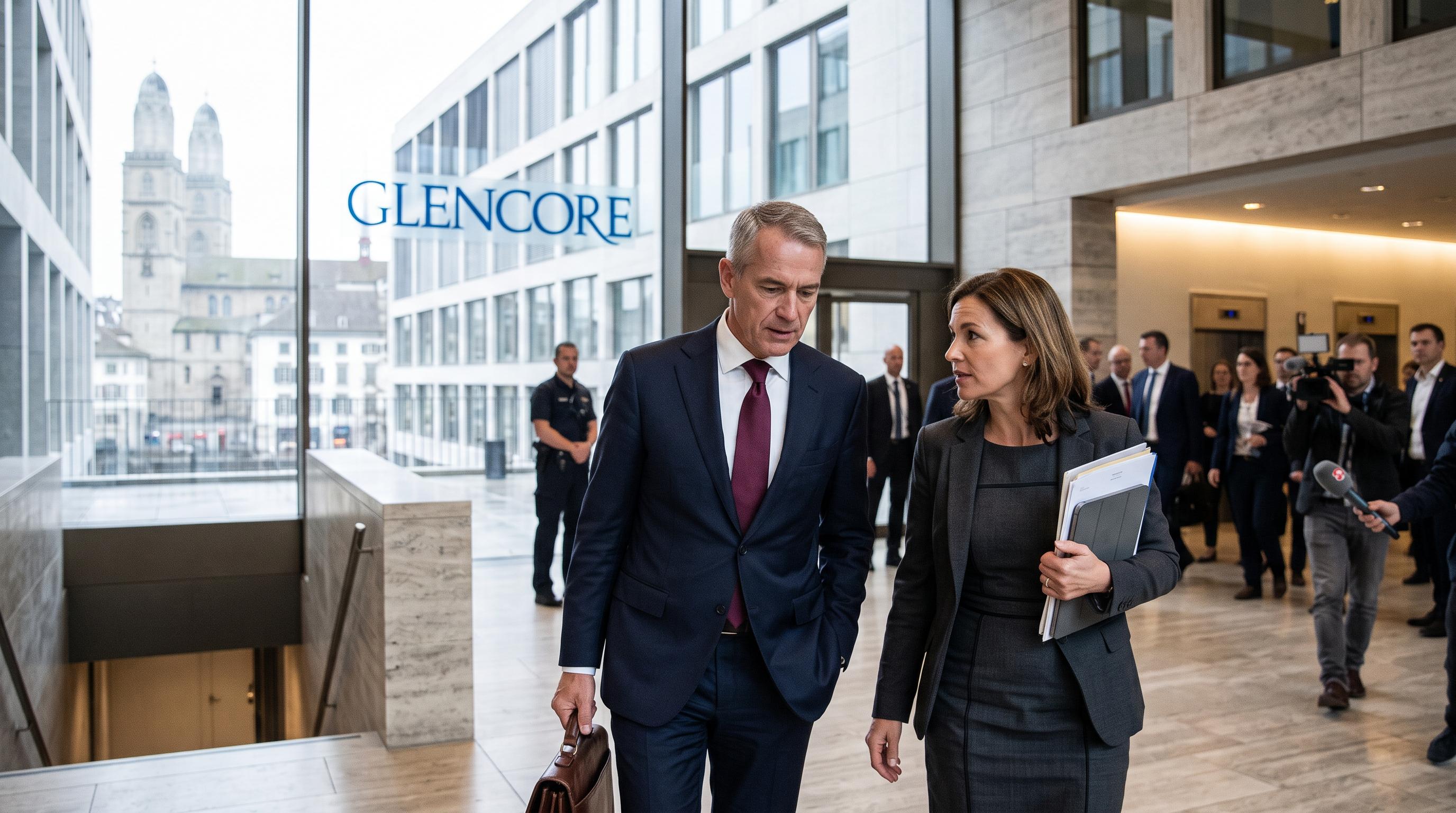
Radiant takes its Glencore fight to Singapore
Radiant World is seeking more than $2 billion from Glencore, placing a major corporate governance dispute involving a Swiss commodities group before the Singapore courts. The iron ore trader filed its lawsuit on Tuesday, alleging that Glencore kept the true nature and extent of their trading relationship out of formal and audited records.
Radiant claims that Glencore directed the parties towards in-person meetings and WhatsApp messages, rather than relying solely on standard written documentation. The lawsuit says the arrangement prevented the commercial relationship from being fully reflected in Glencore's records. Those are allegations, not findings by a court.
The case matters in Switzerland because Glencore is one of the country's largest internationally active commodities companies. Its trading business depends on complex transactions, extensive financing arrangements and records that banks, auditors and regulators can assess. A dispute over how those dealings were documented reaches beyond the companies involved. It raises questions about the controls surrounding private communications, related business relationships and the reliability of information available to oversight bodies.
Glencore has rejected the allegations. In a statement quoted by the Financial Times, it called the claims meritless and said it would contest them vigorously.
The paper trail Radiant says Glencore concealed
Radiant says Glencore's formal records did not fully reflect the parties' private arrangements. The complaint alleges that Glencore preferred oral communications, monthly physical meetings and messages sent through WhatsApp. It also claims that transaction documents were routed and prepared in non-standard ways, including through Glencore's Delhi office.
The lawsuit characterises those practices as an effort to keep the commercial relationship out of audited records. The report does not establish that the allegations are true, and the court has not ruled on them. The evidence supporting the claims will be tested through the Singapore proceedings.
The allegations focus on a familiar pressure point in commodities trading: transactions can involve several jurisdictions, counterparties, financing institutions and streams of supporting paperwork. When important terms sit in informal messages or face-to-face conversations, auditors and lenders may struggle to reconstruct who agreed to what, and when.
Radiant links the alleged conduct to heightened scrutiny of Glencore after investigations by the US Department of Justice. The trader says it understood Glencore's approach as a response to that scrutiny. Glencore has not accepted that account. Its response instead accuses companies involved in the dispute of submitting false documents to financial institutions.
Glencore rejects claims and challenges Radiant documents
Glencore says it will contest the case and has launched a review of historic activities involving the claimant groups. The company also told the Financial Times that it had evidence that the companies sent falsified invoices and contracts, along with fabricated emails allegedly presented as communications from Glencore personnel, to several financial institutions.
Radiant has denied wrongdoing. The dispute has already affected its access to the financial system. The report says some banks and trading firms, including Glencore, cut Radiant off because of concerns over alleged fake documents. Those allegations remain contested and have not been resolved by the Singapore court.
The opposing accounts create a legal dispute with consequences for lenders and trading partners. Financial institutions rely on contracts, invoices, emails and confirmations when they extend credit or process commodity transactions. If the authenticity of those materials is challenged, banks face questions about their own verification procedures, exposure and reporting obligations.
The lawsuit also names partner companies, including Sapphire Minmetals. Their participation could broaden the factual record around the transactions and the communications between the parties. Glencore's review of historic business activities may produce further information, although the company has not disclosed its scope or timetable in the material cited by the report.
A 2022 settlement shadows the case
Glencore's past US settlement gives the allegations a wider regulatory context. Radiant's lawsuit refers to Glencore's 2022 guilty pleas to multiple counts of bribery and market manipulation. The company agreed to pay $1.5 billion in penalties, according to the report, and the settlement required Glencore to retain independent compliance monitors to examine its internal controls.
Radiant says the alleged preference for oral communications and physical meetings followed increased regulatory scrutiny of the Swiss group. The complaint describes repeated meetings in Singapore and alleges that transaction documentation was handled through non-standard channels. These claims will need to be assessed against Glencore's compliance policies, internal records and the evidence presented by both sides.
For Swiss corporate governance, the issue is practical. Audited accounts cannot capture every conversation, but material commercial commitments must be traceable enough for auditors, boards, lenders and regulators to evaluate them. The case may test how courts view the boundary between ordinary commercial confidentiality and conduct that allegedly obscures a business relationship.
The independent monitoring requirement from the US settlement adds another layer. It does not determine the facts of the Radiant dispute, yet it explains why the claimant has placed such emphasis on Glencore's controls and record keeping.
The case puts cross-border controls on trial
The Singapore proceedings will determine whether Radiant's allegations can be supported by evidence. The case brings together a Swiss commodities group, an iron ore trader under financial pressure and partner companies operating across several jurisdictions. It also places WhatsApp messages, oral commitments and document-routing practices under legal scrutiny.
The report describes Radiant as having faced recent pressure over alleged inconsistencies in the documentation underpinning its trades. Banks and trading firms have cut ties with the company over concerns about alleged fake documents, while Radiant denies wrongdoing. Glencore's counter-allegations will be examined alongside Radiant's claims rather than treated as established facts.
For Glencore, the dispute creates litigation risk and renewed attention to the way its trading operations document counterparties and transactions. For financial institutions, it highlights the cost of relying on records whose provenance is disputed. For Switzerland, the case touches a sector that remains central to the country's international business profile while operating largely beyond public view.
The immediate questions concern jurisdiction, evidence, damages and responsibility. The court's handling of the claims may also clarify how companies must preserve and present communications when complex commodity trades cross borders and involve substantial financing.