youth
Swiss youth organizations unite against government relief cuts
Over 50 youth associations protest government's relief program, warning of impacts on education and social integration.
Youth Mobilization: A United Front
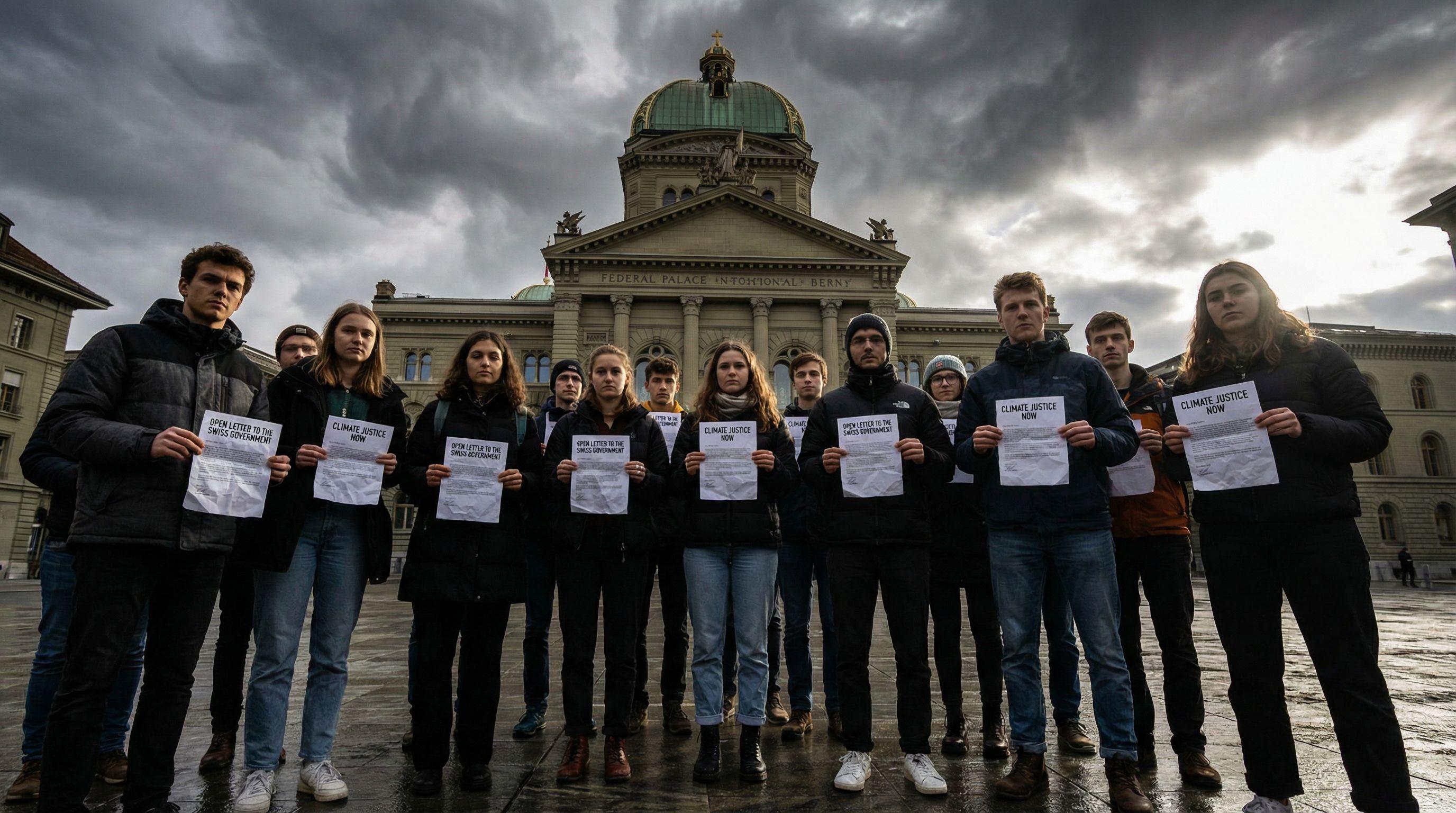
A staggering coalition of over 50 youth associations has launched a blistering critique of the Swiss government's latest fiscal strategy. In a move that signals rising unrest among the nation's younger demographic, these organizations have united to sign an open letter condemning the proposed relief programme. This is not merely a complaint; it is a mobilized pushback launched directly from the floor of the Assembly of Delegates of the Swiss Association of Youth Organisations.
The scale of this opposition highlights a critical fracture between federal policymakers and the next generation. By banding together, these groups are sending an undeniable message to Bern: the youth will not be silent collateral damage in the pursuit of a balanced budget. The letter serves as a formal declaration that the proposed austerity measures are viewed as a direct attack on the infrastructure that supports Swiss youth. As the government attempts to restructure finances, it now confronts a unified, vocal, and politically active bloc determined to protect their interests.
The Austerity Axe Falls on Education
The government's relief plan targets the very pillars of youth development: extracurricular activities, sports funding, and international mobility. The working group behind the protest has identified these cuts as a direct threat to the educational landscape of Switzerland. We are witnessing a potential dismantling of support systems that facilitate popular sports and the cross-border exchange of ideas that is vital for a modern, connected Switzerland.
These are not luxury items being trimmed; they are essential components of social integration and personal growth. By slashing subsidies for extracurriculars, the state risks narrowing the horizons of thousands of young people. The restrictions on international mobility are particularly jarring in an era where global connectivity is paramount. The associations argue that these fiscal adjustments will have a disproportionately negative impact on the developmental opportunities available to Swiss youth, effectively mortgaging their future potential for short-term financial gain.
Democratic Deficit: The 40% Blind Spot
In a shocking revelation, the youth working group claims that nearly 40% of the proposed cuts were pushed through without a standard consultation process. This statistic exposes what the associations are calling a "democratic deficit." The government is being accused of bypassing the necessary dialogue that ensures transparency and accountability in Swiss politics. This lack of consultation suggests a top-down approach that ignores the voices of the very constituents who will bear the brunt of these decisions.
The demand is clear: the government must return to the negotiating table and handle these cost-cutting measures through a transparent, democratic process. The working group insists that the voices of those affected must be heard before irreversible damage is done. By allegedly side-stepping the consultation phase for such a significant portion of the budget, the government risks alienating a politically engaged generation and undermining trust in federal institutions.
Jeopardizing the Future Social Fabric
Beyond the immediate financial implications, the youth associations warn of a deeper societal cost: the erosion of an inclusive society. Cutting contributions to organizations central to integration and political participation threatens to undermine decades of sustainable youth policy. The working group asserts that financial policy cannot be divorced from socio-political reality; the two are inextricably linked.
If these measures proceed unchecked, Switzerland risks creating a deficit in social capital that no amount of budget balancing can restore. The government is urged to review its measures not just through a fiscal lens, but with a keen eye on the long-term health of the nation's social fabric. The message from the youth is a powerful reminder that true national wealth lies in the capabilities and integration of its next generation. As the debate intensifies, the government must decide whether saving billions of francs is worth the price of compromising the future of its youth.