Vaud
Vaud faces a major vote on a 12% tax cut
Vaud voters will decide whether to cut cantonal income and wealth taxes by 12% on September 27. The article would set out the competing claims over purchasing power, business competitiveness and the potential impact on public finances before the vote.
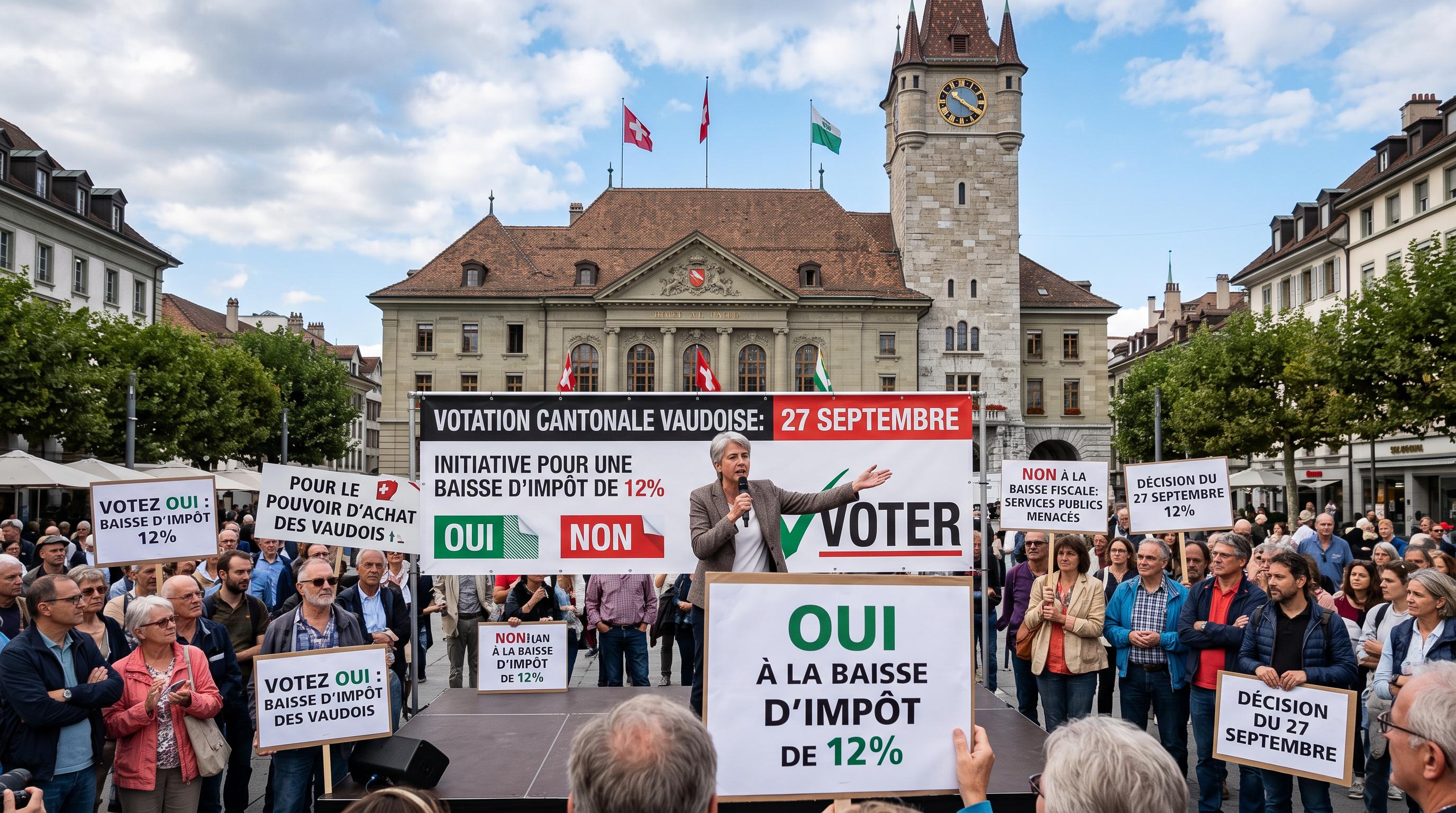
Vaud Puts a 12% Tax Cut to the Vote
On 27 September, Vaud voters will decide whether to cut cantonal income and wealth taxes by 12%. The ballot has become one of the canton’s most closely watched fiscal contests in recent years, with business organisations presenting the measure as relief for households and a boost to competitiveness. The cantonal government, left-wing parties and trade unions say the reduction would strip hundreds of millions of francs from public finances.
The initiative was launched by the Vaud Employers’ Association, the Chamber of Real Estate and the Chamber of Commerce and Industry. Their campaign collected more than 28,000 signatures in 2023, over twice the legal requirement. Supporters argue that Vaud can afford lower taxes if it controls spending and that residents should retain more of their earnings.
The government has already committed to a gradual 7% income tax reduction by 2027. The new initiative would replace that programme with a 12% cut. Municipal taxes would remain unchanged, although the effect on final household bills would vary according to each municipality’s rates and the taxpayer’s income and wealth.
That combination makes the vote significant beyond Vaud. It tests how far a Swiss canton can reduce taxation while maintaining services, absorbing demographic pressures and keeping its budget in balance.
A High Tax Index Fuels the Yes Campaign
Vaud scored 131 on the Federal Finance Administration’s 2025 tax index, against a Swiss average of 100. That was the highest figure among the cantons and gives the Yes campaign its strongest numerical argument. The index measures standardised tax extraction for individuals, allowing comparisons across cantonal systems.
Business groups say the gap burdens households and makes Vaud less attractive to workers, entrepreneurs and investors. They describe the proposed cut as a correction to an unusually high tax load, with the middle class among the principal beneficiaries. Because every taxpayer would receive the same percentage reduction in cantonal income and wealth tax, campaigners call the measure uniform and predictable.
A percentage cut, however, produces different franc savings. Progressive taxation means people with higher taxable incomes and larger fortunes generally pay more in absolute terms. A 12% reduction therefore delivers larger nominal savings to those taxpayers, even though the percentage is identical for everyone.
The measure would also interact with Vaud’s existing fiscal shield, or bouclier fiscal. The shield can limit combined cantonal and municipal income and wealth taxes to 60% of a defined income measure, subject to conditions and minimum thresholds. A 2024 reform made the mechanism more favourable for some wealthy taxpayers. If voters approve the initiative, that reform would become void, potentially reducing part of the benefit for some current shield beneficiaries.
Spending Growth Sharpens the Fiscal Fight
The government estimates a Yes vote would remove an additional CHF 272 million from Vaud’s annual budget. Officials say that sum would come on top of the reduction already approved for 2027. They have warned that the canton would then face a choice between spending cuts, lower service levels or new measures to compensate for lost revenue.
The argument is complicated by the direction of Vaud’s recent accounts. Tax receipts have continued to grow, according to the figures cited in the campaign debate, but recurrent expenditure has grown faster, particularly since 2022. Supporters of the initiative say the pattern points to a spending problem that politicians should address before asking residents for more revenue.
The public-sector wage bill has increased by roughly CHF 500 million since 2022. The rise reflects a larger workforce, changes to salary scales and inflation-linked pay increases. Refugee-related spending has added pressure, especially in connection with Ukrainian arrivals. By the end of 2025, only 36% of working-age Ukrainian refugees who had arrived in 2022 were in work, limiting the tax and employment contribution anticipated by policymakers.
Health-insurance subsidies have also expanded. Eligibility is concentrated among lower and middle-income households. A family of four can qualify in Vaud when household income falls below CHF 85,500, while many other middle-class households help finance the scheme without receiving support. This distribution sits at the centre of the debate over who pays and who benefits.
Parties Split as Campaigns Target Voters
The political map around the initiative cuts across Vaud’s usual party lines. The Socialist Party and the Greens recommend a No vote, arguing that the measure would weaken public services and distribute the largest savings to people with the highest incomes and fortunes. Trade unions have joined that criticism, warning that the canton is being asked to give up revenue while demands on schools, healthcare, social support and integration continue.
The SVP/UDC and the Green Liberal Party support the initiative. Their positions reflect different priorities, but both back the case for lower taxation and stronger pressure on the canton to contain spending. The Centre Party opposes the proposal.
The FDP/PLR is divided. Party delegates endorse the tax cut, while a majority of the party’s parliamentary group in the Grand Council voted against it. That split underscores the tension between the party’s traditional support for business competitiveness and concerns about the practical effect on the cantonal budget.
Business organisations are leading the Yes campaign, while the government and a broad coalition of left-wing parties and unions are defending the existing financial plan. The outcome will depend on whether voters give greater weight to immediate disposable income or to the government’s warning that the revenue loss would constrain future decisions. Municipal taxes are outside the initiative, so the ballot will focus specifically on the cantonal share of the bill.
The Ballot Will Set Vaud’s Fiscal Direction
A Yes vote would rewrite more than one line in Vaud’s tax legislation. It would replace the approved 7% income tax reduction scheduled for 2027 with a 12% reduction in cantonal income and wealth taxes. The initiative would also invalidate the 2024 reform of the fiscal shield for very wealthy taxpayers, creating different outcomes across income and wealth groups.
For households, the immediate effect would be a lower cantonal tax bill, although the exact saving would depend on taxable income, assets and the applicable municipal rate. For the canton, the government’s estimate of an additional CHF 272 million a year gives the vote a clear budgetary scale. The money could otherwise support existing services, wage commitments, subsidies and integration measures.
A No vote would preserve the government’s 7% reduction plan and the 2024 fiscal-shield reform. It would also leave Vaud’s high position in national tax comparisons intact, at least until lawmakers pursue another reform. Business groups would likely continue pressing for lower rates, while opponents would retain the argument that public finances need stabilising before further tax relief.
The decision will be watched elsewhere in Switzerland because cantonal tax policy affects competition for residents, companies and skilled workers. Vaud’s voters are therefore choosing both a household tax change and a fiscal direction for the canton. The result will show how much room voters believe remains between tax relief and the cost of public services.