taxation
Switzerland’s proposed immigration tax puts wealthy newcomers in focus
The government-backed proposal for an ‘immigration tax’ could make wealthy newcomers pay an additional levy when settling in Switzerland. The article should explain the proposal’s design and political prospects, identify who would be affected and assess its relationship with existing lump-sum taxation.
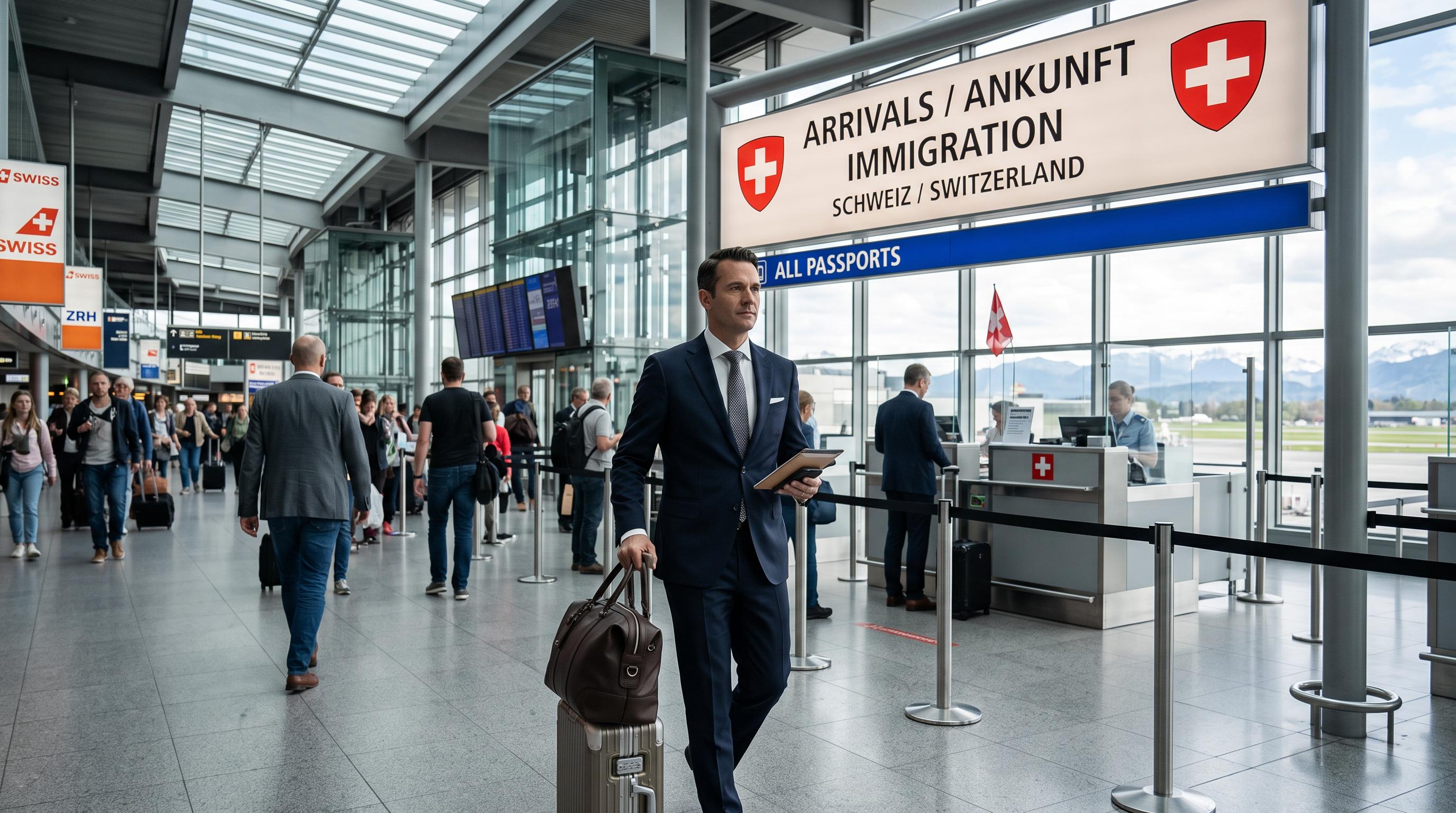
Government Gives the Levy a Political Lift
The Swiss government’s new openness gives an immigration tax its clearest political lift yet. The proposal would require wealthy foreigners who settle in Switzerland to pay an additional levy, according to reporting published on 7 September 2026. The idea has circulated before, but government backing moves it from a recurring political demand towards a possible legislative project.
The available details remain limited. No tax rate, wealth threshold, collection method or start date has been announced in the supplied reporting. That leaves the proposal’s practical reach unresolved. It could be designed for a narrow group of affluent arrivals, or framed more broadly around foreign residents whose financial profile places them outside ordinary tax debates.
The distinction matters in Switzerland, where taxation is divided between the Confederation, cantons and municipalities. Any new charge would need to fit that federal structure and clarify which level of government collects the money. It would also have to survive scrutiny over equal treatment, residence rights and Switzerland’s competition with other jurisdictions for internationally mobile wealth.
For now, the government’s position signals political receptiveness rather than a finished bill. The next test will come when supporters disclose the proposal’s numbers and legal architecture.
Target Wealthy Newcomers
The measure would focus attention on wealthy newcomers, not on immigration in the abstract. The proposal described by The Local concerns foreigners settling in Switzerland and asks them to pay an extra levy. That wording points towards a charge linked to arrival and financial capacity, although the source does not define the qualifying criteria.
Several design choices will determine who actually falls within its scope. Policymakers would need to decide whether eligibility depends on net wealth, income, assets brought into Switzerland, the use of a residence permit or some combination of those factors. They would also need to address families, people who move for employment, entrepreneurs, retirees and residents who later become Swiss citizens.
A broad charge could capture affluent professionals and business owners alongside people who relocate primarily for lifestyle reasons. A narrowly targeted levy could limit the burden to a small number of exceptionally wealthy arrivals, while producing less revenue. The difference would shape the political argument as much as the eventual sum collected.
The proposal’s supporters will likely present it as a contribution from newcomers with substantial resources. Critics could challenge a system that treats foreign status as a tax trigger. Until the government publishes a draft, both interpretations remain possible.
Set the Levy Against Lump-Sum Taxation
Switzerland already has a special tax regime for a narrow group of affluent foreign residents. Lump-sum taxation, also known as expenditure-based taxation or forfait taxation, is reserved for very wealthy foreigners, according to The Local’s explainer. Its existence will make the immigration-tax debate especially sensitive.
The two ideas should not be treated as the same measure. Lump-sum taxation concerns the basis on which an eligible foreign resident’s tax liability is calculated. The proposed immigration levy, as described in the available material, would be an additional charge connected to settling in Switzerland. Whether a person using lump-sum taxation would also pay the new levy is not specified.
That unresolved point could become central to the legislative debate. A newcomer already negotiating a special tax arrangement might argue that an extra arrival charge changes the financial terms that influenced the move. Supporters could respond that the levy is separate from annual income or expenditure taxation and should apply regardless of the existing regime.
Cantonal practice will also matter. Switzerland’s lump-sum arrangements have long been associated with cantonal tax policy, while the proposed levy would need a clear constitutional and administrative footing. The government has yet to explain how the systems would interact.
Take the Proposal to Parliament
Government support improves the proposal’s prospects, but it does not guarantee a vote or a law. The supplied report says the government has warmed to the idea. That is a meaningful shift for a measure that has previously struggled to move beyond political discussion. It also places pressure on supporters to provide details that can withstand parliamentary and legal examination.
The proposal will have to navigate Switzerland’s coalition politics and federal system. Parliament would need to assess its legal basis, while cantons and municipalities would examine the effect on local tax competition, housing markets and public services. Parties that support tighter controls on immigration may welcome the symbolic message. Parties focused on competitiveness may question whether a new charge would discourage investment or high-income residents.
The absence of a published rate makes the political calculation difficult. A modest levy could be presented as a contribution with limited effects on relocation decisions. A substantial charge could generate more attention while giving opponents a stronger case that Switzerland is raising the cost of residence for a mobile international population.
Nothing in the available sources indicates that parliament has approved the measure. Its immediate status is a government-backed proposal entering a more demanding phase: drafting, consultation and coalition-building.
Demand the Numbers Before the Vote
The next announcement will matter more than the headline: Switzerland needs numbers, safeguards and a clear division of powers. The government’s support has revived the immigration-tax proposal, yet the public still lacks the information needed to judge its effects. The decisive disclosures will include the taxable base, the definition of a newcomer, exemptions, enforcement rules and the destination of the revenue.
The government must also explain how the levy would interact with lump-sum taxation. If both charges applied, wealthy foreign residents could face a materially different cost calculation from the one available under existing arrangements. If lump-sum taxpayers were exempt, critics could argue that the measure targets a wider group of foreign residents while leaving the most established special regime untouched.
For Swiss taxpayers, the debate will turn on whether the levy raises useful revenue, improves perceived fairness or creates another layer in an already complex federal tax system. For cantons, the issue will include competition for residents and investment. For newcomers, the practical question will be whether the charge is transparent and predictable before they commit to a move.
The proposal now has momentum. Its credibility will depend on the detail that follows.