Politics
Geneva Court Temporarily Suspends Ban on Full-Cover Swimwear in Public Pools
A cantonal court in Geneva has suspended a controversial ban on full-cover swimwear, such as 'burkinis', that had been in effect in public swimming pools since May. The temporary ruling allows long-sleeved swimwear to be worn again while the court considers the legality of the ban passed by the Grand Council in March.
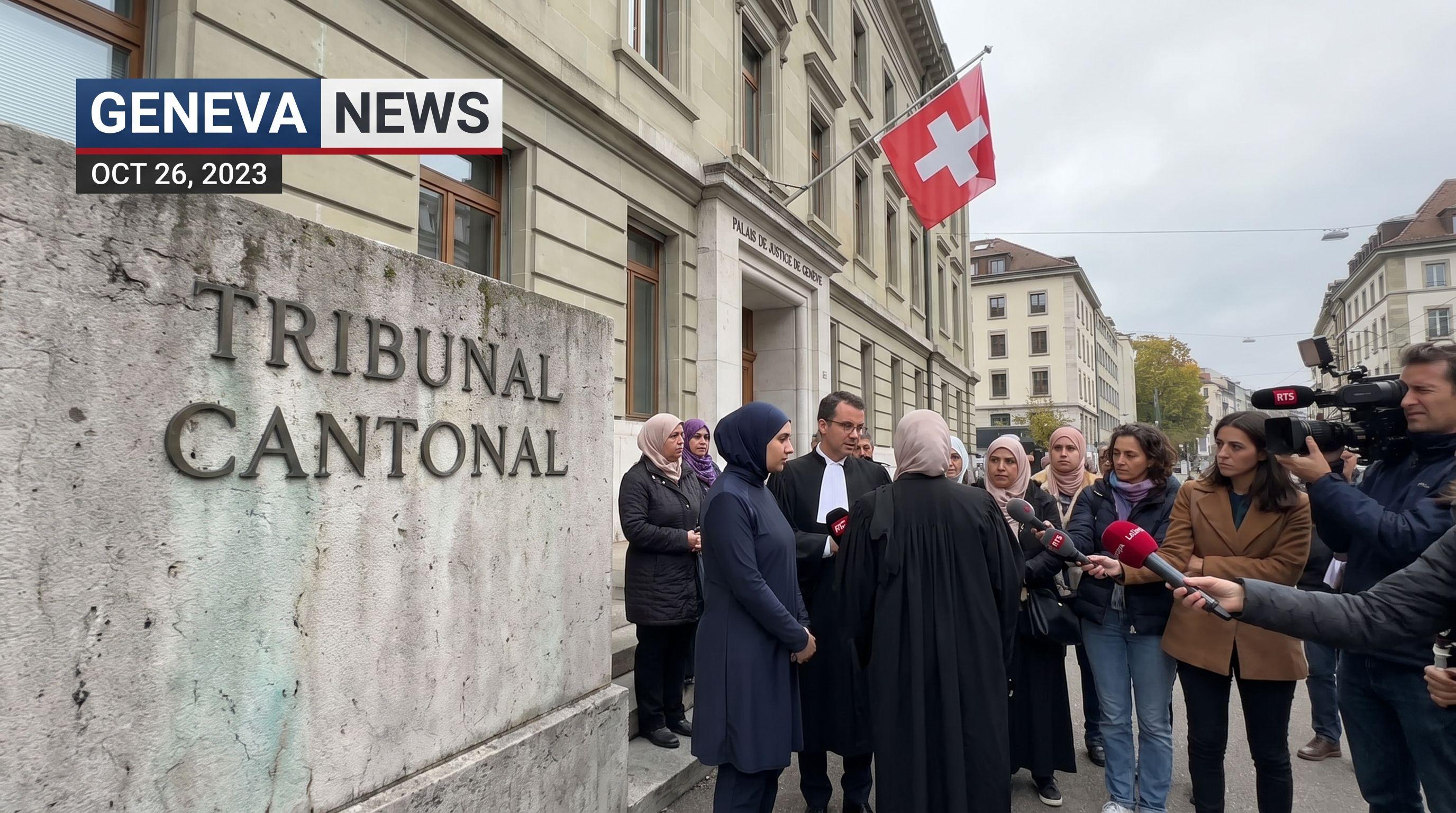
Judiciary Halts the Swimwear Crackdown
Geneva’s legal landscape just shifted beneath the feet of its lawmakers as the cantonal court effectively froze a controversial ban on full-body swimwear. This dramatic suspension means that, for now, the 'burkini' and other long-sleeved aquatic garments are back in public pools. The court’s intervention strikes at the heart of a law that came into force on May 30, which prohibited any swimwear extending past the knees or covering the arms. Judges are sounding the alarm, stating that enforcing such a ban during the peak of summer could cause 'irreparable harm' to citizens who rely on these facilities for social integration and heat relief. By prioritizing immediate access over ideological enforcement, the court has signaled that the right to the city’s cooling waters outweighs the immediate implementation of restrictive dress codes. This is not merely a pause; it is a significant judicial rebuke of a policy that many argue excludes vulnerable populations from the public square.
Coalition Defies the Grand Council
A staggering coalition of 29 diverse organizations has successfully forced the hand of the Geneva judiciary. Under the banner of the 'Coordination for Inclusive Swimming,' this unprecedented alliance brings together asylum advocates, feminist movements, and LGBTIQ+ groups to dismantle what they describe as a discriminatory policy. While the Grand Council’s March approval of Article 5 was ostensibly aimed at religious symbols, the coalition argues the law’s reach is dangerously broad, ensnaring those who cover up for medical reasons or sun protection. This is a battle of numbers and nerves: 29 groups standing against a single legislative act that they claim targets Muslim women under the guise of neutrality. Their legal challenge highlights a growing friction in Swiss society where the push for 'laïcité' meets a modern, intersectional demand for personal autonomy. The court’s decision to listen to this collective voice marks a pivotal moment for civil society activism in the canton.
Municipalities Revolt Against Cantonal Overreach
Five major municipalities are now in open revolt against the canton, transforming a cultural debate into a constitutional crisis over local autonomy. Vernier, Carouge, Lancy, Meyrin, and the City of Geneva itself have all launched legal strikes against the measure. These local governments argue that the canton is overstepping its bounds, stripping cities of their right to manage their own public spaces and community relations. This internal fracture within the Swiss political structure is rare and significant. While the Grand Council seeks a uniform application of secularism, these five hubs of daily life insist on a more pragmatic, inclusive approach to governance. The tension is palpable: on one side, a legislative body determined to enforce a specific vision of Swiss identity; on the other, the very cities tasked with making that society function on a day-to-day basis. The outcome of this jurisdictional tug-of-war will likely redefine the boundaries of municipal power in Geneva for decades to come.
Secularism Clashes With Personal Liberty
Switzerland confronts a defining moment as the principle of 'laïcité'—state neutrality in religious affairs—collides with the fundamental right to personal expression. Geneva has long treated faith as a private matter, but this ban pushed that sentiment into the very public, very visible arena of the swimming pool. The court’s recent ruling acknowledges that this isn't just about religion; it's about health, modesty, and the basic freedom to choose one's attire. As the legal battle moves toward a final verdict, the eyes of the nation are on Geneva. Will the canton uphold a rigid interpretation of secularism that risks marginalizing certain communities, or will it evolve toward a 'pluralistic neutrality' that accommodates difference? The implications are massive. This case will set a precedent for how Swiss cities balance traditional values with the realities of a globalized, diverse population. For now, the pools remain open to all, but the ideological waters remain deeply turbulent.