Schengen
EU considers changes to Schengen visa rules and fees
The European Commission is considering changes to short-stay Schengen visa rules and fees, aiming to make the system more secure and coherent while facilitating legitimate travel. The proposal could affect Swiss residents and businesses travelling within or connected to the Schengen area.
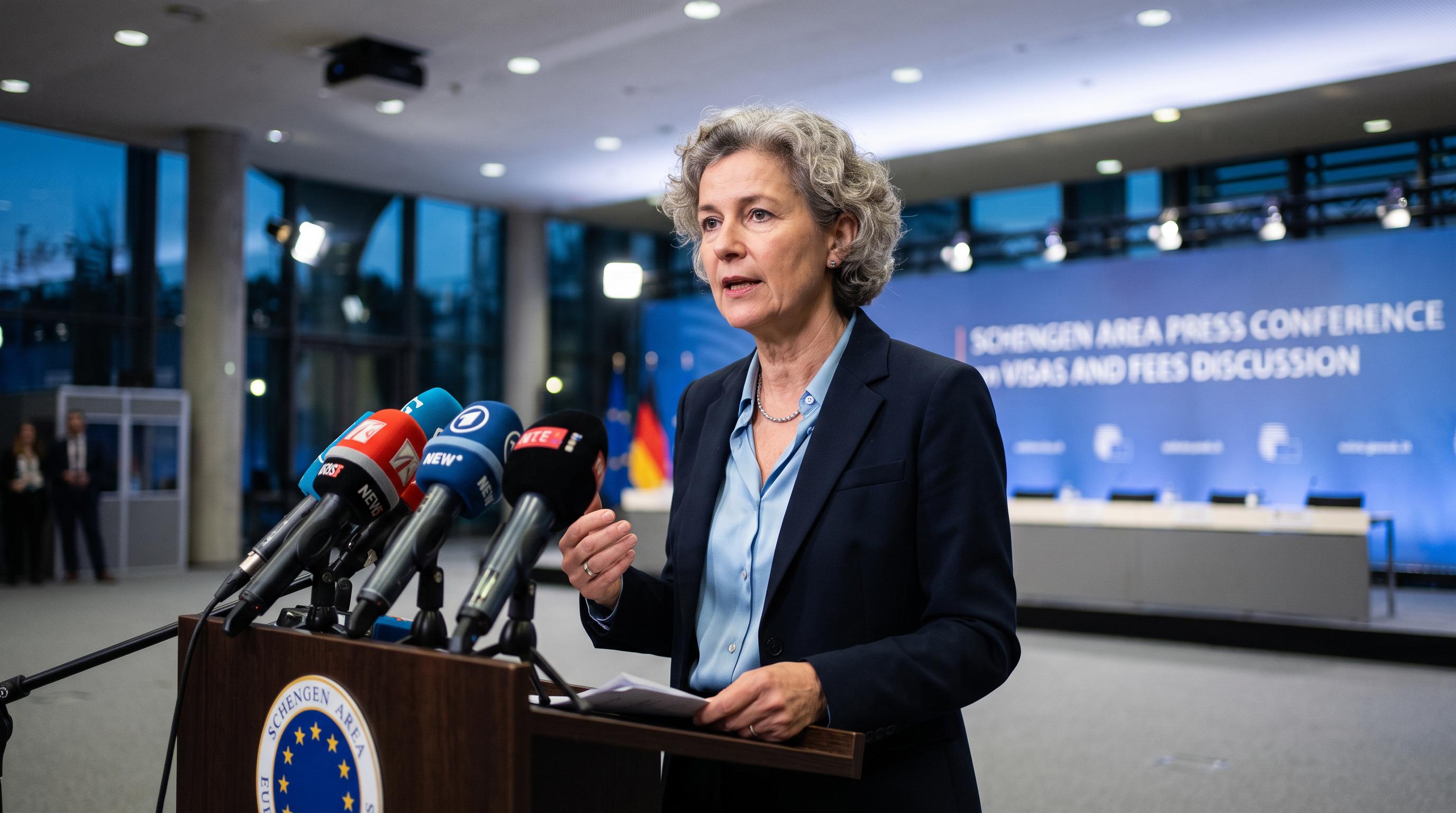
Brussels Reopens the Schengen Visa Rulebook
The European Commission is preparing a review of the Schengen short-stay visa system, with Switzerland watching closely. The initiative could affect travellers, employers and service providers connected to the 29-country Schengen area, even though Switzerland is not an EU member. Swiss residents frequently cross internal Schengen borders for work, tourism, education, family visits and business. Any change to the rules governing visitors from outside the area could therefore reach airports, hotels, tour operators and companies that recruit or host international staff.
The Commission says it wants a visa policy that is "more coherent, secure and effective" while making legitimate travel easier. That wording points to a review of how applications are assessed, how authorities cooperate and how the system balances security with access. The available report does not include draft legal text, a timetable or proposed fee levels.
That absence matters. The word “revision” covers a wide range of possible changes, from administrative procedures to charges and safeguards. Until Brussels publishes concrete proposals, travellers should treat reports of altered fees or requirements as unconfirmed. Existing visa obligations remain in force, and Swiss authorities have not announced a separate national measure linked to the Commission’s review.
Why Swiss Travel and Business Could Feel the Effects
The proposal targets the short-stay visa system, not the everyday movement of Swiss citizens inside Schengen. Short-stay Schengen visas generally concern visitors from countries whose nationals need permission to enter the area for limited periods, commonly for tourism, business or family visits. The source report does not specify which categories or nationalities could see changes.
For Swiss residents, the immediate relevance lies in the network around them. A Geneva company sending staff to meet clients in France, a Zurich conference welcoming guests from Asia, or a Ticino hotel relying on long-distance visitors may all encounter the consequences of changes made elsewhere in the Schengen framework. Consulates, airlines and travel agencies would also need to adapt if application procedures, documentation or charges changed.
Switzerland applies the Schengen acquis through its association with the border-free area, while retaining its own institutions and diplomatic network. That arrangement makes coordination important. A rule adopted by EU institutions can influence the way applications are handled in Swiss representations and at Swiss external borders, subject to the applicable legal process. The current report establishes the Commission’s review, but it does not confirm the Swiss implementation details.
Fees, Checks and the Detail Brussels Has Not Released
The fee question remains open, and the available report gives no figure for travellers to plan around. The Commission is considering changes to both Schengen visa rules and fees, but the source does not say whether charges would increase, decrease or vary by applicant category. It also does not identify a proposed date for the new schedule.
That uncertainty has practical consequences. Visa applicants often budget for more than the application charge itself, including travel to a consulate or service centre, document preparation, insurance and, in some cases, commercial processing assistance. Businesses that bring clients, contractors or prospective employees to Switzerland may face higher administrative costs if a revised system requires additional checks or documentation. A more predictable process could reduce those costs, but the Commission has not yet published the measures needed to judge that outcome.
The review also carries a security dimension. Authorities may seek stronger checks or closer coordination among member states, while trying to avoid delays for applicants with legitimate reasons to travel. Those aims can conflict in practice if consulates receive more documentation or if data systems do not work smoothly across jurisdictions. The Commission’s broad objectives are clear. The operational detail, which will determine the effect on applicants, is still pending.
Swiss Travellers Wait for the Fine Print
Swiss travellers and companies should wait for the legal text before changing plans. The Commission’s review is an early policy development, not a confirmed change to the requirements at Swiss consulates or European border crossings. Applicants with upcoming journeys should continue to check the official guidance issued by the relevant consulate, the Swiss authorities and their carrier. Businesses should avoid building new budgets or recruitment timelines around unconfirmed fee increases.
The next significant step will be the publication of a concrete proposal. That text should show which provisions the Commission wants to amend, how the fee structure would work, what safeguards would apply and whether transitional arrangements would protect applications already in progress. It should also clarify how the EU’s decision would interact with Switzerland’s Schengen association.
For Switzerland, the stakes are practical rather than abstract. The country’s position at the centre of Europe links its tourism industry, exporters, universities and employers to cross-border mobility. A system that improves security and consistency could help legitimate visitors navigate the region. A process that adds cost or uncertainty could burden the same Swiss businesses that depend on international connections. Until Brussels releases the specifics, the only confirmed development is that the rulebook is under review.