Syngenta
Syngenta reportedly plans $5 billion Hong Kong IPO
Syngenta has reportedly filed confidentially for a Hong Kong initial public offering that could raise around $5 billion. The planned listing would be one of the largest in Hong Kong in recent years, although its timing and size remain subject to change.
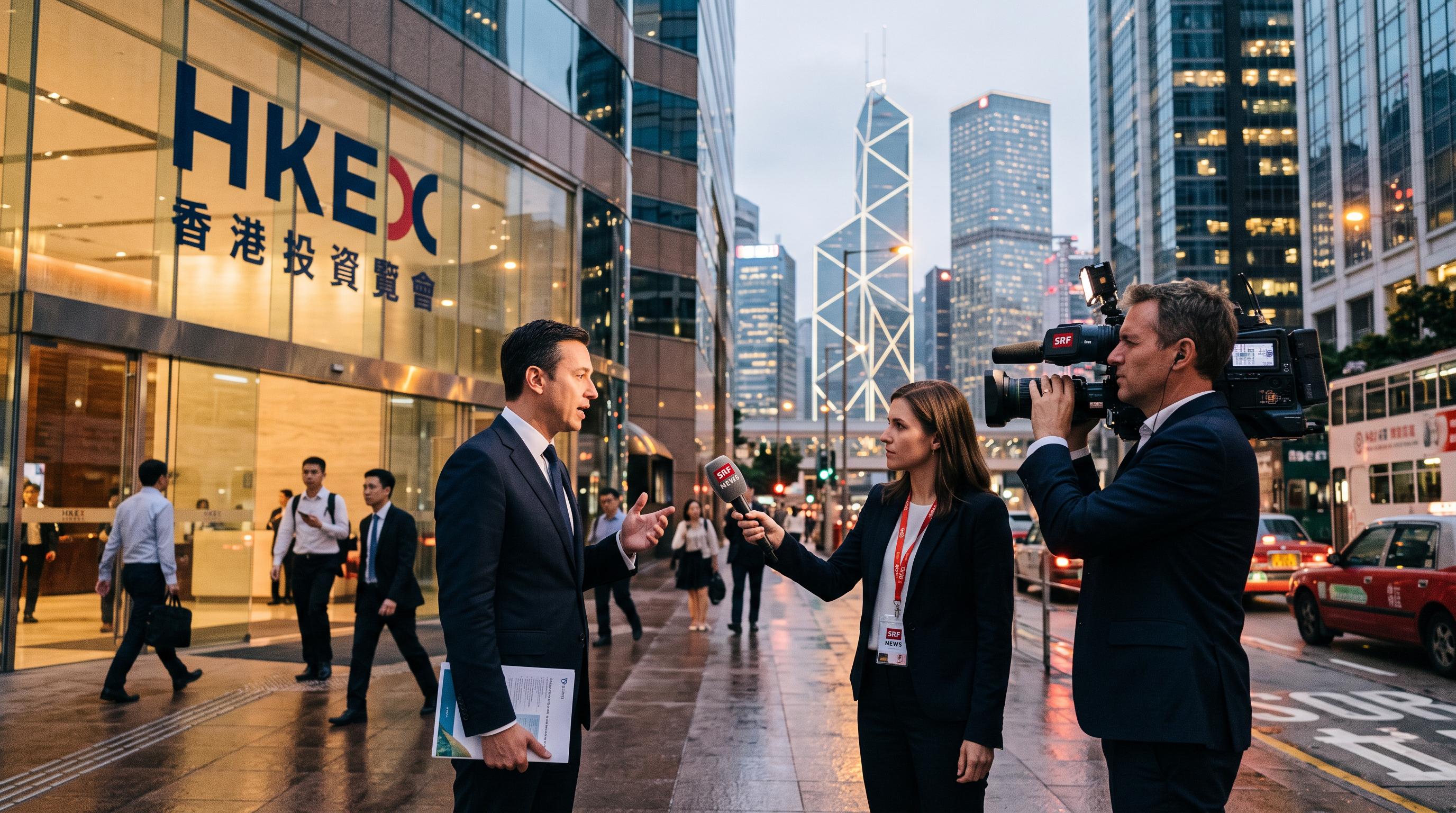
Syngenta Targets Hong Kong With $5 Billion IPO
About $5 billion could put Syngenta among Hong Kong's biggest recent listings. The Chinese-owned seed and crop protection group has confidentially filed for a Hong Kong initial public offering, according to people familiar with the matter cited by Bloomberg. The company is considering a listing next year, subject to regulatory approvals, although both the timetable and the size of the deal could change.
The report gives Switzerland a prominent stake in one of Asia's most closely watched capital markets. Syngenta is headquartered in Switzerland and supplies farmers worldwide with herbicides, insecticides, fungicides and seeds. A Hong Kong flotation would give investors access to a major global agribusiness while testing market appetite for a company with Chinese ownership and sensitive agricultural assets.
Syngenta has not confirmed the filing. A company spokesperson declined to comment. The reported plan follows earlier delays linked to market volatility and disruption caused by conflict in the Middle East and Iran. Hong Kong's IPO market has strengthened in 2026, with companies completing $47 billion in offerings so far, according to Bloomberg data cited by Swissinfo.
The IPO Returns After Shanghai Retreat
The proposed deal follows a failed Shanghai listing that Syngenta abandoned in March 2024. The group had filed for a listing on the Shanghai Stock Exchange in 2021, but withdrew its application after a prolonged period of weakness in Chinese equity markets. That transaction could have valued the company at as much as $60 billion, according to Reuters.
Hong Kong subsequently emerged as a possible alternative. The city offers access to international investors and a market familiar with large Chinese-linked companies. Syngenta had considered submitting a listing application in June 2026, Bloomberg reported, but market conditions shifted again as conflict in the region disrupted supplies and prices across industries.
The earlier experience explains why the latest proposal remains provisional. Confidential filing does not guarantee a completed offering. Syngenta must still resolve regulatory, valuation and timing questions before investors can assess the company through a public market lens.
Jeff Rowe, who backed the IPO during his tenure as chief executive, said in a February 2026 interview with Swissinfo: “No formal decision has been made on a potential IPO.” His departure adds another variable to a process that has already changed course once.
New Leadership Faces a Sensitive Approval Process
Leadership changed as Syngenta prepared for another possible listing. Hengde Qin became chief executive in August 2026, replacing Jeff Rowe, a key advocate for the IPO. The transition does not establish whether the new leadership supports the same timetable, and Syngenta has offered no public confirmation of its intentions.
Qin inherits a company operating across a politically sensitive industry. Syngenta develops seed varieties for corn, soybean, sunflowers, cereals and vegetables, alongside chemicals used to protect crops. Its products sit close to food production, agricultural supply chains and national policies on seeds, making a public offering more complex than a conventional industrial listing.
Bloomberg has reported that Syngenta could require additional approvals because of its seed business. Regulators may examine the company's ownership, data, technology, research activities and access to strategic agricultural resources. The process could therefore take longer than the company or prospective investors expect.
Syngenta's corporate structure adds to the scrutiny. ChemChina acquired the group in 2017, and ChemChina was later absorbed into Sinochem Holdings Corp. The reported Hong Kong transaction would place a Swiss-headquartered business with Chinese state-linked ownership under the daily examination of public shareholders.
Global Crops Bring Global Risks
Syngenta's business reaches far beyond Switzerland's borders. The company sells crop protection products and develops seeds for farmers across major agricultural markets. Its portfolio includes herbicides, insecticides and fungicides, as well as varieties designed for corn, soybean, sunflower, cereals and vegetables. That breadth gives investors exposure to the long-term demand for farm productivity, but it also ties the group to volatile input costs, crop prices and geopolitical disruption.
The reported IPO comes after conflict in the Middle East and Iran disrupted industry supplies and prices. Such shocks can affect chemical ingredients, transport routes and farmer spending decisions. They also complicate the valuation of an agribusiness whose earnings depend on seasonal demand and conditions far beyond its headquarters in Switzerland.
For Swiss observers, ownership remains a central issue. Syngenta operates from Switzerland but belongs to a corporate group rooted in China. A Hong Kong listing could increase disclosure and public scrutiny while giving international investors a clearer view of the company's finances and strategic priorities.
The transaction's final structure has not been disclosed. Investors will need details on the shares being offered, the valuation, the use of proceeds and the extent of any secondary sale before judging what the flotation means for Syngenta's future.
Switzerland Watches the Hong Kong Test
Hong Kong's stronger IPO market gives Syngenta a more favourable opening than it had in Shanghai. Companies in the city have raised $47 billion during 2026, more than twice the total recorded during the same period in 2025, according to Bloomberg data cited by Swissinfo. That recovery could help a large issuer attract institutional investors after years of weaker activity.
The market backdrop alone will not determine the outcome. Syngenta still faces regulatory reviews, leadership uncertainty and the possibility that conflict-driven volatility will return. The company also needs to demonstrate how its earnings withstand changes in agricultural commodity prices, chemical costs and planting cycles.
A successful listing would give Hong Kong a major international agribusiness issuer and provide Syngenta with a public valuation after the collapse of its Shanghai plan. For Switzerland, the deal would keep a major Swiss-headquartered company connected to Asian capital markets while highlighting the complications of Chinese ownership in a strategically important sector.
No launch date has been announced. The reported target remains about $5 billion, and the final amount could change. Until Syngenta confirms the filing and publishes formal terms, investors can only treat the Hong Kong IPO as a developing plan rather than a completed transaction.