Energy
Swiss government plans new protections for energy infrastructure
Switzerland is preparing a legal framework requiring critical energy infrastructure operators to protect sites against physical and electromagnetic threats, including sabotage and drone attacks. The government says companies may need to take defence measures themselves because the armed forces cannot secure every site.
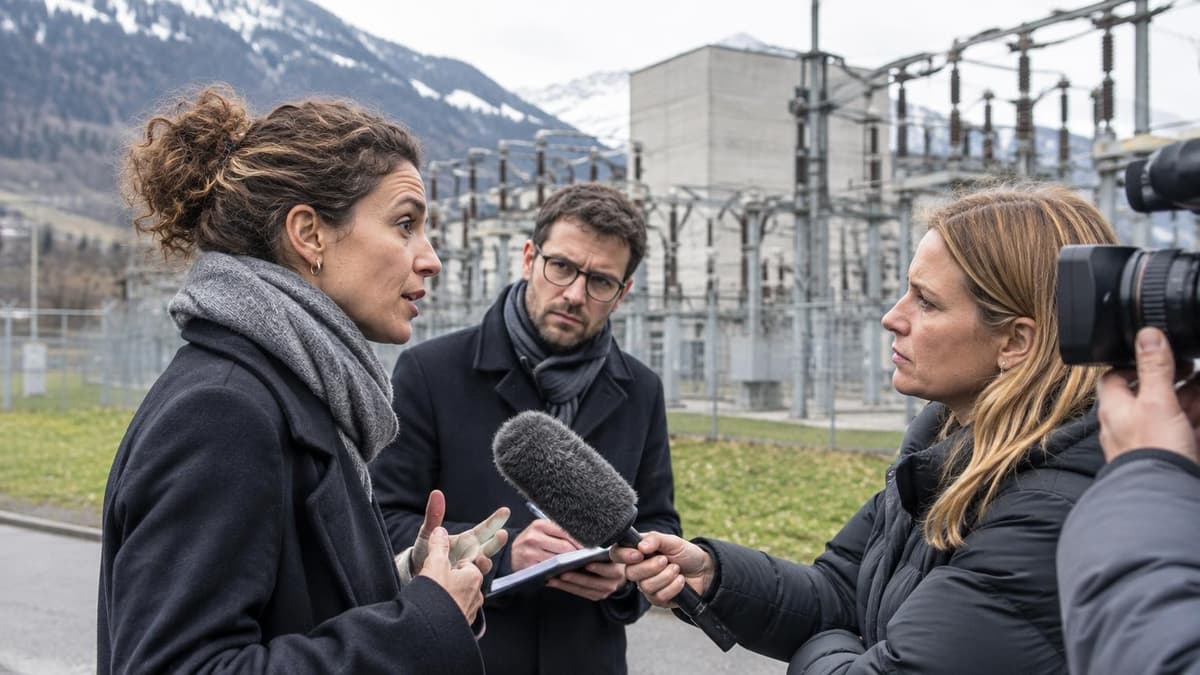
A new legal framework would make energy operators responsible for taking stronger steps against attacks on critical sites. The Swiss Federal Office of Energy is preparing rules requiring the sector to guard against physical and electromagnetic threats. The government names sabotage, drones, rocket-propelled grenades and arson among the greatest risks to nuclear power stations and dams.
The move follows a gap in the current rules: no further legal provisions govern the physical protection of energy infrastructure. The federal office says its proposal is intended to close that gap. The armed forces have already warned that they cannot secure every electricity supply site to the same high standard while carrying out their other duties. That puts the companies running the facilities at the centre of Switzerland’s protective effort. The planned obligations would formalise their role as threats to energy infrastructure prompt a review of how sites are defended.
Harden sites, respect limits
Operators can already strengthen buildings, install sensors and protective nets, and hold spare parts in reserve. Those measures give companies ways to make facilities more resilient, but their authority stops short of using force. Staff who spot a drone can call the police. By the time officers reach the site, the aircraft has usually disappeared.
The proposed framework concerns protective duties, not a transfer of state powers. The monopoly on the use of force remains with the relevant authorities. Energy companies cannot shoot down suspicious flying objects or detain people they suspect of wrongdoing. That boundary matters as operators prepare to take a larger role in defending infrastructure: physical hardening and monitoring are within their reach, while confronting a suspected attacker remains a state responsibility. The rules now being prepared would address protection against both physical and electromagnetic threats across the energy sector.
Share the burden of defence
The armed forces cannot provide the same level of protection to every electricity site at once. In defence guidelines issued in May 2026, the government said that doing so would exceed the military’s resources and compete with its other tasks. The army is expected to secure areas such as the Mittelland, as well as individual sites, against aerial attacks for weeks at a time.
That planning leaves operators with primary responsibility for protecting their own facilities. The government’s position recognises a practical constraint: Switzerland’s energy network includes sites that cannot all receive continuous military protection to a uniform standard. The new legal framework would place expectations on companies to prepare for threats where they operate, while the armed forces focus on their wider defence responsibilities. The guidelines set out the rationale for a shared security effort, with operators taking the lead at their facilities and state authorities retaining powers of enforcement.
Press for faster drone responses
Parliamentarians want energy suppliers to have stronger options when drones threaten a facility. They have called for changes that could allow electricity companies to activate interception drones or jammers in an emergency. Those tools would go beyond the protective measures operators can currently use, while the legal framework under preparation does not grant companies additional powers on its own.
The question of who has jurisdiction during incidents below the threshold of war also remains on the political agenda. The House of Representatives’ Security Committee has called for a national reporting centre for drone sightings. Its proposal reflects a concern shared by infrastructure operators: sightings need to reach the authorities quickly, especially when a drone can disappear before police arrive. The federal government’s planned obligations, parliamentary calls for response tools and the committee’s reporting proposal all address different parts of the same security challenge around Swiss energy facilities.