Crans-Montana
Crans-Montana victims face anniversary memorial and settlement process
As the first anniversary of the Crans-Montana fire approaches, Valais is planning a memorial ceremony while Parliament advances a settlement mechanism worth up to CHF20 million. Cover how the commemoration and proposed settlements are intended to support victims and families, and what unresolved legal questions remain.
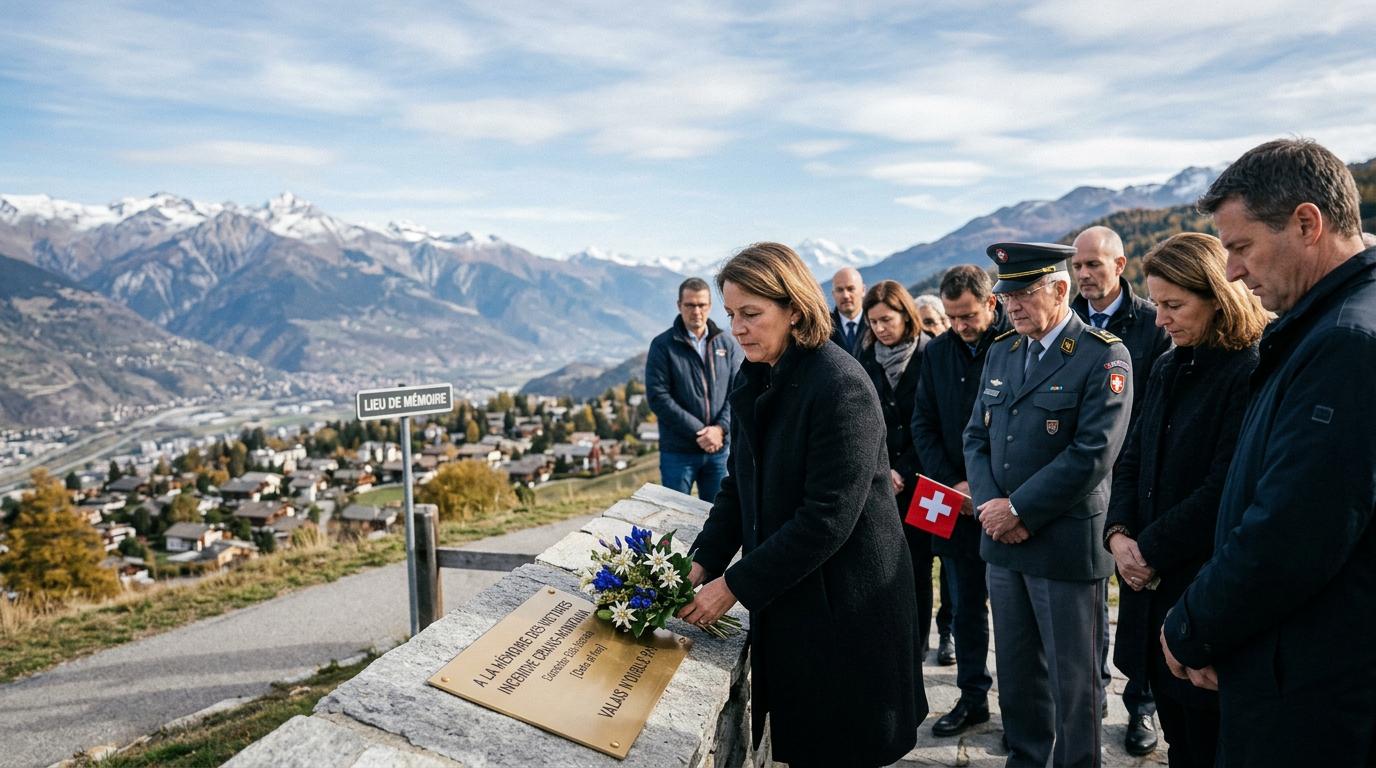
Valais Sets the Date as Families Await Redress
41 people died and 115 were injured, and Valais is preparing to mark the first anniversary of the Crans-Montana fire with a public ceremony and a still unfinished settlement process.
The memorial will take place on January 1, 2027, at 10:00 a.m. in the sports hall of the Crans-Montana Conference Centre. The Canton of Valais is organising the event with the municipality of Crans-Montana, part of the Haut-Plateau region. Relatives of those who died, injured survivors and their families will be invited. Rescue workers and medical personnel will also be represented.
The timing places public remembrance alongside a major political decision. On the same day that Valais prepares to gather families and officials, Parliament is advancing a mechanism that could help settle claims without years of civil litigation. The National Council approved the relevant clause by 106 votes to 87, with four abstentions. The measure had already passed the Council of States, but it must return there to resolve one remaining disagreement.
For families, the two processes address different needs. The ceremony offers recognition and a shared place of remembrance. The settlement plan is intended to provide a route towards financial resolution.
The Ceremony Will Honour Victims and Those Who Helped
The January 1 ceremony will bring victims’ families, survivors and rescuers into the same room. Valais says the gathering will publicly honour those affected and preserve the tragedy in the region’s collective memory.
Christophe Darbellay, President of the Valais cantonal government, said the purpose was to show that victims and their loved ones had not been forgotten. He acknowledged that public recognition cannot restore lives or undo the consequences for those who survived. The event will therefore carry both a civic and personal function, with relatives and injured people at its centre.
Federal, cantonal, municipal and foreign officials are expected to attend. The canton also plans to use the occasion to thank people who responded to the fire and those who have provided continuing care. That emphasis reflects the long aftermath of the disaster, which includes medical treatment and rehabilitation as well as bereavement.
The ceremony is the first stage of a wider remembrance process. An independent civil society organisation is leading work on a permanent memorial, although the sources do not specify its design, location or completion date. Darbellay described memory as a shared public responsibility. For families, the form of that memorial will matter because it will shape how the tragedy is recalled after the anniversary events have ended.
Parliament Advances a CHF20 Million Settlement Route
Up to CHF20 million could support settlements for people affected by the fire. The National Council approved a clause allowing the Swiss government to make a supplementary contribution to agreements reached through round-table discussions.
Those discussions are designed to bring together victims, relatives, insurance companies, other potentially liable parties and public authorities. The stated goal is an out-of-court resolution that can avoid lengthy civil proceedings. The federal money would therefore sit within negotiated settlements rather than operate as an automatic payment to every victim.
That distinction matters. The available sources do not set out a tariff, eligibility formula or timetable for individual payments. They also do not specify how the maximum contribution would be divided among bereaved families, injured survivors and others affected by the fire. The mechanism’s practical value will depend on the negotiations and on the final wording of the federal legislation.
Parliament’s vote shows that the proposal remains politically contested. The National Council approved it by 106 votes to 87, with four abstentions. The bill now returns to the Council of States to settle one point of disagreement. Until that step is completed, the framework is not final. Families therefore face a settlement process that has a clear financial ceiling but unresolved operating details.
Liability, Eligibility and Timing Still Need Answers
The legal questions remain open while the anniversary approaches. Parliament has endorsed a framework for negotiated settlements, yet the sources do not identify the parties ultimately responsible for the fire or describe how liability will be established.
The proposed round tables are intended to include insurers, authorities and other liable parties. That wording leaves several practical issues for the next stage: which claims will qualify, how responsibility will be assessed, how insurers will participate and how any federal contribution will interact with other payments. The sources also do not say whether accepting a settlement would affect a claimant’s ability to pursue further civil action.
The parliamentary process has its own unresolved point. The National Council’s approval does not complete the legislation because the measure must return to the Council of States. The record supplied for this report does not specify the disputed provision or the timetable for agreement.
Those gaps will shape expectations for families and survivors. A negotiated route could reduce the time and cost of civil proceedings, but it cannot by itself determine the facts of the tragedy or settle questions of accountability. The rehabilitation of injured people and the continuing work of families will proceed alongside those legal decisions. Valais will mark the anniversary while Switzerland continues to define what redress can look like.
After the Anniversary, the Hard Decisions Continue
Switzerland will enter 2027 with remembrance and compensation moving on parallel tracks. The January ceremony gives Valais a public moment to recognise the 41 people who died, the 115 who were injured and the people who responded to the fire. The proposed settlement mechanism gives families and survivors a possible route towards financial agreements outside court.
Neither track is complete. The memorial process will continue beyond the anniversary through the planned permanent memorial. The compensation framework still requires the Council of States to resolve the remaining parliamentary disagreement. After that, negotiations must determine how the round-table process works in individual cases.
For Swiss public policy, the episode tests how institutions respond after a mass-casualty disaster. A canton can organise remembrance and offer solidarity. Parliament can create a financial framework. Questions of liability, proof and individual loss still require procedures that have not yet been described in the approved material.
The first anniversary will therefore be both a ceremony and a marker in an ongoing process. Families will gather in Crans-Montana with officials, rescuers and caregivers. Beyond the hall, Parliament and the parties involved in the settlements will still have to turn a maximum figure and a broad negotiating plan into concrete decisions.