Switzerland
Swiss travel to the US falls sharply under Trump
Swiss visits to the United States have fallen sharply under Donald Trump, with arrivals down 16.5% in the first half of 2026. The article should examine whether the decline reflects political unease, changing travel costs and perceptions of the US, and what it means for tourism and bilateral ties.
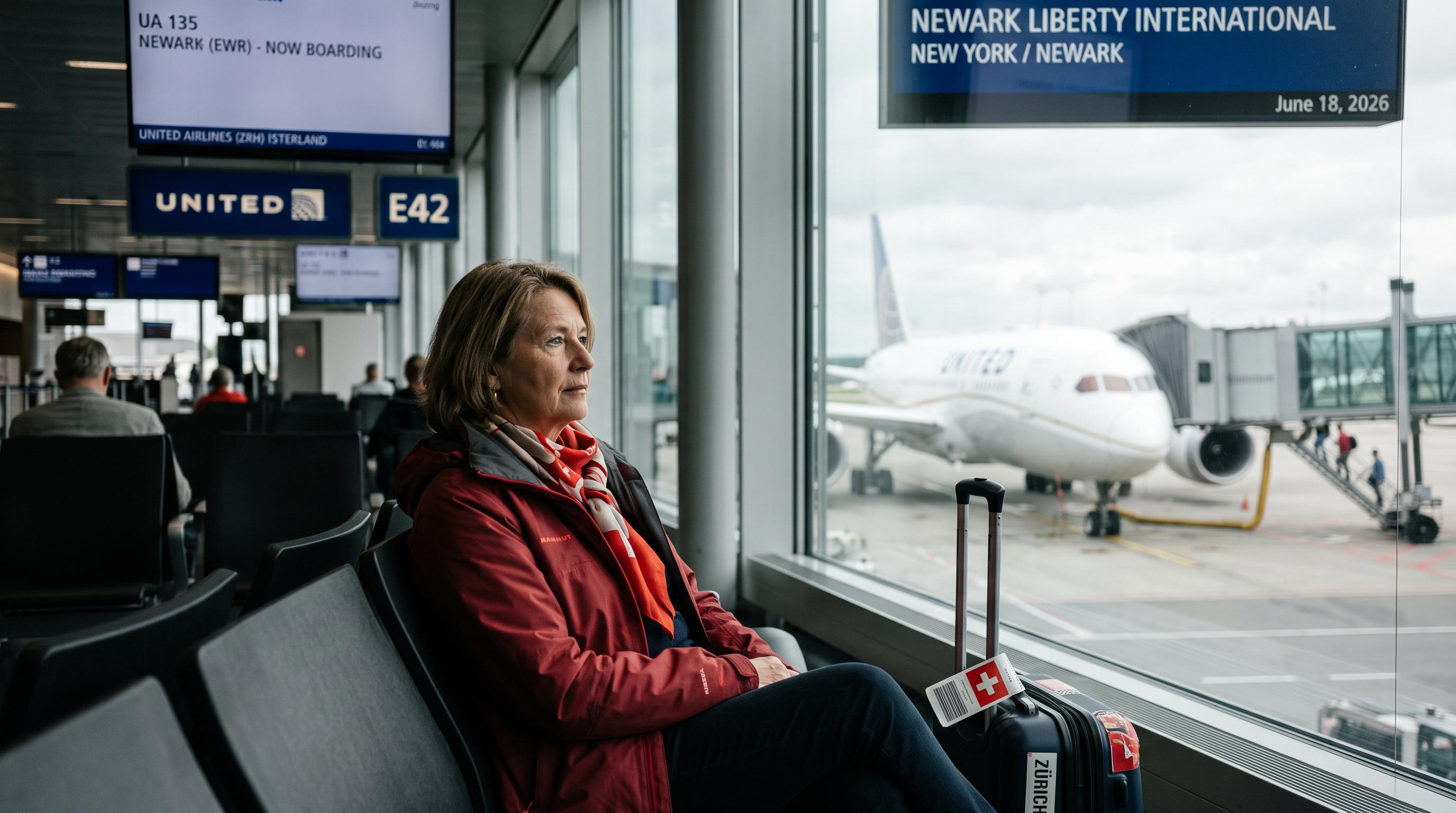
Swiss Visitors Turn Away From the United States
Swiss arrivals to the United States fell 16.5% in the first half of 2026, extending a decline that began last year and placing the US on course for its weakest performance among Swiss visitors in nearly two decades. About 120,000 Swiss travellers crossed the Atlantic between January and June, according to Andrea Beffa, managing director of the Swiss Travel Association. The figure was down from the same period in 2025, when bookings had already weakened.
The downturn has accelerated during Donald Trump’s second term. Swiss visitors fell 10.6% in 2025, to just over 361,000, compared with 404,434 arrivals in 2024. Beffa expects about 300,000 Swiss arrivals for the full year 2026 if the pattern continues. That would put the total roughly at the level recorded in 2007.
The figures matter beyond airport arrivals. Swiss travellers spend across hotels, restaurants, transport networks, national parks and cultural attractions. A sustained fall would affect destinations that have long marketed themselves to European visitors, from New York and Florida to the western national parks. It also offers an early measure of how political developments in Washington are shaping everyday links between Switzerland and the United States.
Politics Changes the Way Swiss Travellers See America
Sixty-five percent of Swiss respondents now say they have no plans to travel to the United States, according to an Allianz Partners survey cited by Swissinfo. That share was 53% a year earlier. The change points to more than a temporary booking fluctuation. For a growing number of Swiss consumers, the political climate has become part of the holiday decision.
The survey also found that 7% planned to cancel a US trip, up from 2% last year. Pia Bodner, Allianz Travel’s head of marketing and products, said the increase was surprising because people had largely become accustomed to the political situation in the United States.
The survey does not establish that Trump alone caused each cancelled booking. Airfares, exchange rates, household budgets and competing long-haul destinations can all affect demand. Yet the timing has made the White House difficult to separate from the travel debate. Trump’s trade policy has also created a wider backdrop of uncertainty for Swiss companies and consumers. The United States announced a 39% tariff on Switzerland in August 2025, further sharpening attention in Bern and across the Swiss business community.
Cheaper Flights Struggle to Win Back Younger Travellers
Only 9% of Swiss people under 30 said they planned to travel to the United States more often, offering a limited counterweight to the broader retreat. Bodner suggested that lower airfares could be helping younger travellers consider the route. The finding underlines how price can soften, but has not reversed, the wider decline.
Travel costs remain a practical consideration for Swiss households. A long-haul trip from Zurich or Geneva involves air tickets, accommodation, insurance, food and a potentially volatile exchange rate. When prices rise, travellers can postpone a US journey or redirect spending to Europe, Asia or other destinations. Lower fares may attract younger customers who have more flexibility, but they do not necessarily overcome concerns about the destination’s political atmosphere.
The available data cannot identify how many bookings changed because of fares, how many because of politics, or how many reflected normal shifts in holiday demand. It does show that public sentiment and purchasing decisions are moving in the same direction. The rise in planned cancellations, from 2% to 7%, is especially significant for travel agencies because cancelled itineraries affect flights, hotels and local operators after reservations have already been made.
Fewer Holidays Put a Strain on Swiss-American Links
A full-year total of about 300,000 Swiss arrivals would leave the US close to its 2007 visitor level, according to the Swiss Travel Association’s forecast. That would mark a sharp reversal from the recovery recorded by 2024, when more than 404,000 arrivals from Switzerland were registered.
For US tourism officials and businesses, the immediate challenge is to determine whether the decline is temporary or becoming structural. A change in government, a shift in fares or a weaker franc could alter demand. Continued cancellations and the rise in Swiss respondents with no intention of visiting would suggest a deeper reputational problem that cannot be solved through discounts alone.
The consequences also reach beyond tourism. Swiss and American citizens maintain links through business, education, family visits and cultural exchange. Fewer leisure trips reduce opportunities for informal contact at a time when tariffs and disagreements over economic policy are already testing the relationship. Swiss travel agencies will watch the autumn and winter booking season closely. The next data releases should show whether the first-half fall reflects a delayed recovery or a lasting change in how Swiss travellers assess the United States.