Migros
Migros chair rejects claims merger will cost thousands of jobs
Migros chair Mario Irminger says a planned merger of regional co-operatives will not lead to thousands of job cuts, disputing estimates reported elsewhere. He declined to give a figure, while acknowledging that administrative and management roles could be affected as overlapping structures are phased out.
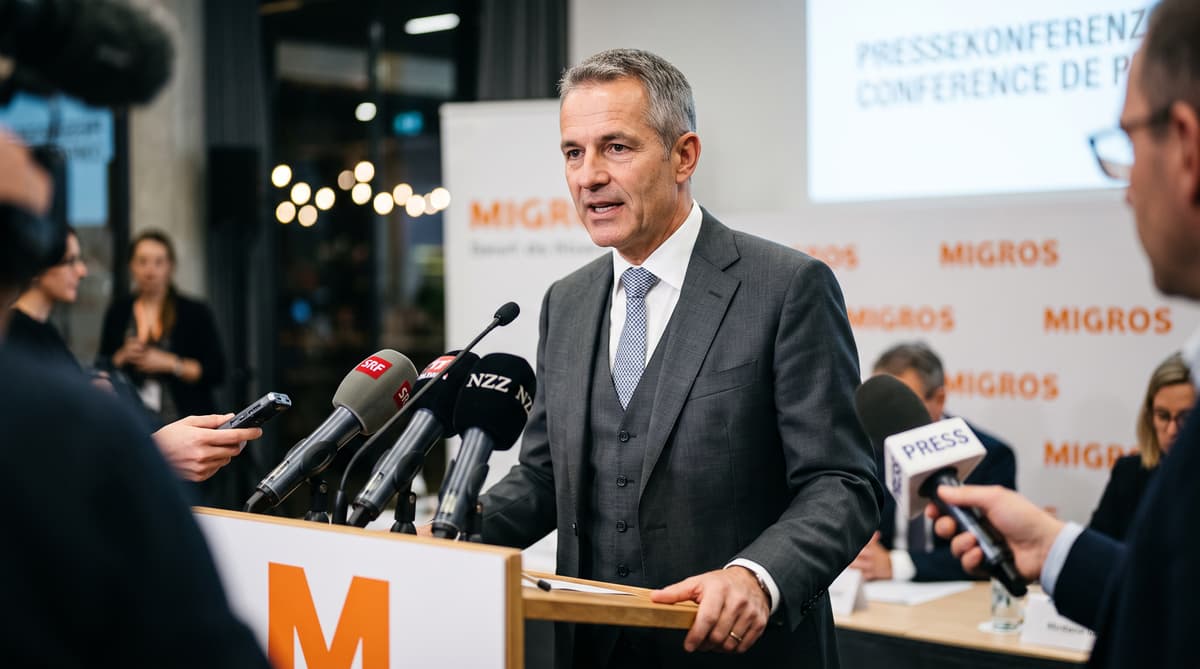
Migros chair Mario Irminger has rejected claims that a planned merger of the group’s regional co-operatives will cost thousands of jobs. In an interview with the Neue Zürcher Zeitung, he said estimates circulating in the media were wrong and argued that Migros’ circumstances differ from those of the Coop merger 25 years ago. The proposed consolidation is part of a broader effort to streamline the Swiss retailer, whose co-operatives form a central part of its structure. Irminger’s comments draw a clear line between the scale of the reported cuts and the changes he expects: parallel roles in management and administration will be phased out over time. The claims have put employment consequences in focus as Migros considers reorganising its regional co-operatives. The proposal now faces a formal approval process involving every one of the group’s 10 regional co-operatives.
Compare the Competing Job Estimates
Published estimates differ sharply from the job-loss total Irminger rejects. The SonntagsZeitung suggested that the merger could produce annual savings of CHF 300 million to CHF 400 million, alongside 3,000 job cuts. The Neue Zürcher Zeitung made a lower estimate, calculating that 400 to 600 administrative jobs could be shed. Irminger called the figures circulating in the media incorrect and said the comparison with Coop’s merger a quarter-century ago did not reflect Migros’ situation. The two estimates have kept attention on the potential effect of consolidation, while the chair has declined to endorse a specific alternative figure. He said he did not wish to comment on a number at this stage. His position leaves room for job changes in particular functions, even as he rejects the suggestion that the overall toll will run into the thousands.
Reshape Roles While Filling Vacancies
Administrative and management roles are where Irminger expects change to take place. He said Migros will phase out parallel structures over time as the regional co-operatives are brought together. That signals a gradual reshaping of functions with overlap, rather than a confirmed total for job reductions. Migros Supermarkets employs 55,000 people, Irminger said. He added that staff turnover across the group means Migros has around 10,000 vacancies to fill each year. Those recurring recruitment needs, he argued, make the availability of skilled workers a pressing concern for the business. “Our concern is that we may not have enough specialists to manage our business,” he told the NZZ. The figures underline the scale of the retailer’s workforce and its continuing hiring needs, alongside the planned removal of duplicated administrative and management structures.