Zurich
Zurich Responds to Alarming Rise in Open Drug Use in City Center
Zurich authorities are escalating police patrols and social work initiatives to combat a noticeable increase in open drug consumption and dealing in public areas, including near the main train station and in city parks. The trend has led to conflicts and safety concerns for the public.
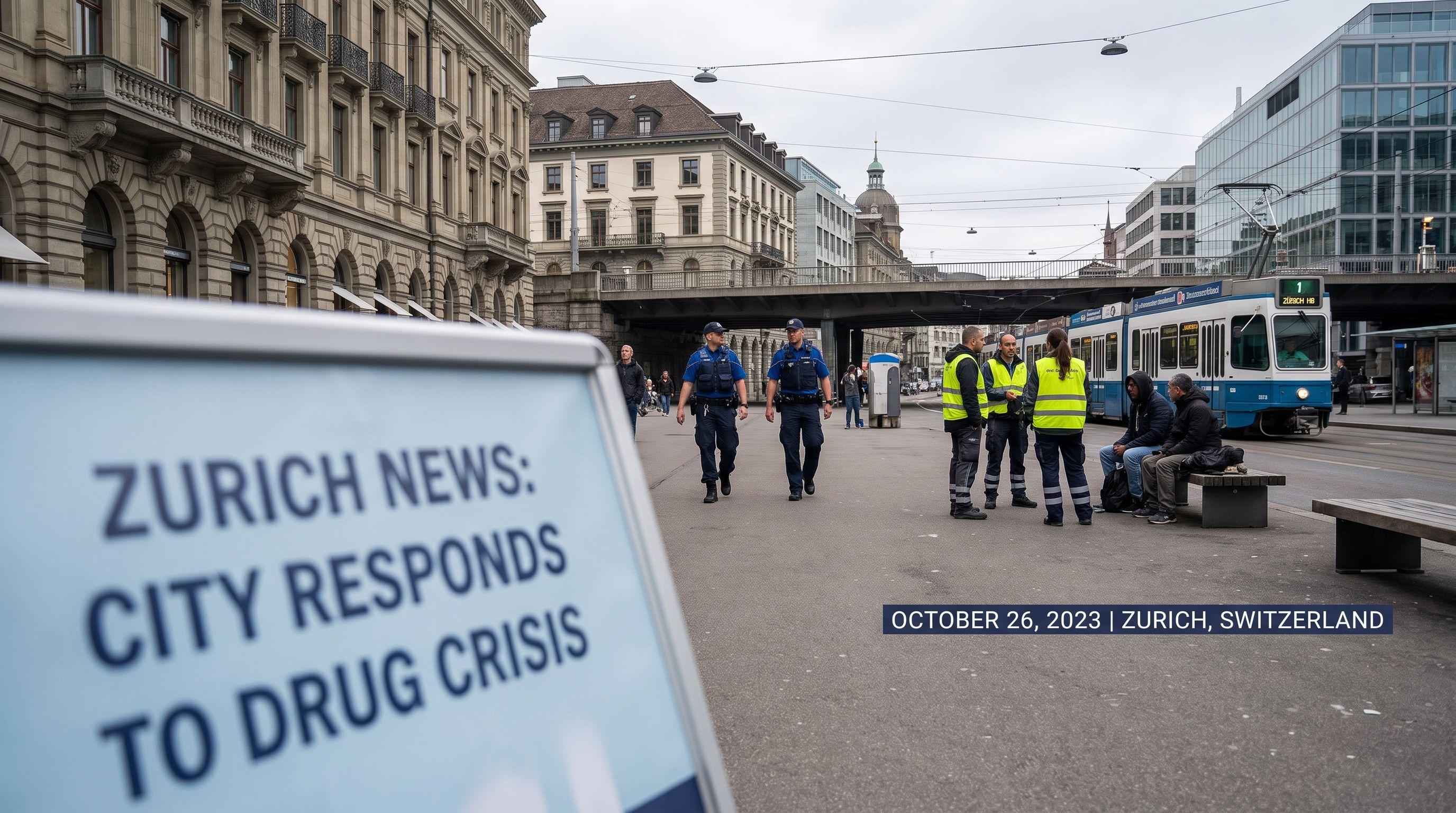
Zurich Reclaims the Streets
Zurich is drawing a hard line in the pavement as the city confronts an alarming surge in open drug consumption that threatens the social fabric of its most iconic districts. For over a month, the City Police have officially designated Districts 1 and 4 as high-priority hotspots, flooding the areas around the Main Station and Schanzengraben with intensified patrols. This is not a subtle shift; it is a full-scale mobilization. Authorities are deploying identity checks and strict removal orders to dismantle the large, volatile groups that have begun to dominate public squares. The message from the Limmat is unequivocal: the era of looking the other way is over. While Zurich has long been a pioneer in progressive drug policy, the current visibility of dealing and consumption near Platform 3 and the Kasernenareal has reached a breaking point, forcing a pivot toward aggressive enforcement to ensure public safety remains paramount.
The Crack-Cocaine Crisis Intensifies
A staggering 400 crack addicts are now estimated to be operating within the city center, a demographic shift that has blindsided local residents. The crisis is compounded by a massive influx of non-residents; nearly 50% of these users travel from outside Zurich, lured by the anonymity of the city's central hubs. This 'drug tourism' has placed an unprecedented burden on municipal resources. The highly addictive nature of crack-cocaine, which first exploded near the Bäckeranlage three years ago following the closure of the Kasernenareal center, has created a more volatile and visible street scene than the heroin era of the 1990s. Despite the Swiss People’s Party’s repeated calls for even more rigorous expulsions and tougher criminal measures, the city continues to balance the iron fist of policing with the velvet glove of social work, even as the sheer volume of users threatens to overwhelm the current strategy.
Infrastructure Under Siege
Zurich’s world-renowned 'Four Pillars' drug policy is facing its most critical test as support services hit a breaking point. All three of the city’s major drop-in centers—located in Oerlikon, Selnau, and the container village at Kasernenwiese—are currently operating at 100% capacity. The demand for safe consumption spaces has skyrocketed, driven by the shift toward smoked substances. In a pragmatic yet controversial move, the city provides specialized pipes for CHF 4 to addicts, a desperate attempt to move consumption from the public eye into controlled environments. Small-scale trafficking is even tolerated within these walls to prevent the violent competition of the street market from spilling over into the shopping districts. However, with facilities bursting at the seams, the overflow is becoming impossible to contain, leaving the city council to grapple with the reality that their safety net is fraying under the weight of a new, more aggressive addiction cycle.
A Battle for Public Space
The fight for Zurich’s soul is now being waged in its parks and promenades. To prevent the establishment of a permanent, 'hard' drug scene similar to the infamous Platzspitz of the past, the city is weaponizing urban revitalization. Throughout the summer, authorities are organizing a barrage of events at the Bäckeranlage, designed to 'crowd out' the drug scene by encouraging a diverse mix of families, students, and professionals to reclaim the space. Frequent cleaning crews and maintenance teams are working around the clock to erase the physical traces of the night’s activities. This is more than just maintenance; it is a psychological battle for the city’s identity. As Zurich looks toward the future, the success of these outreach programs and the ability to refer non-local users back to their home municipalities will determine whether the city remains a global model of urban order or falls victim to the same epidemics currently ravaging other major European hubs.