Health
Flu-vaccine deliveries delayed in Switzerland, officials say no shortage is expected
Some flu-vaccine deliveries to Switzerland are delayed this autumn, affecting about 40% of doses, according to RTS. The Federal Office of Public Health says there should still be enough vaccines for everyone who wants one before the seasonal flu wave begins.
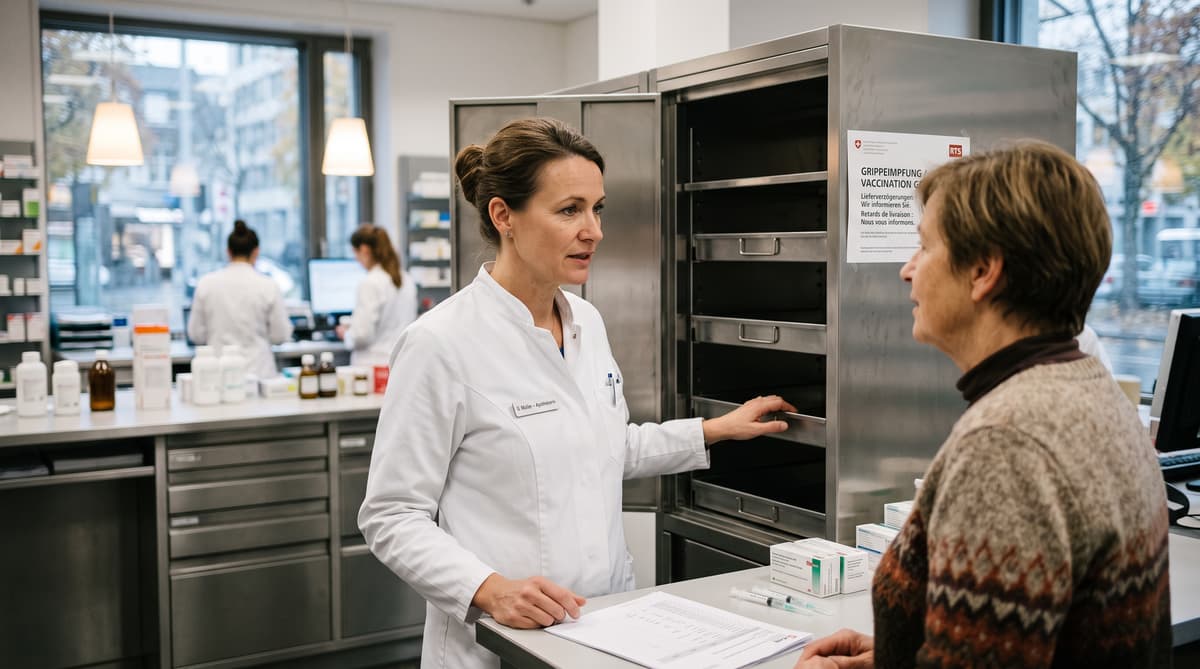
About 40% of flu-vaccine doses headed for Switzerland are affected by delivery delays this autumn. The disruption is already changing appointment schedules at vaccination centres and medical practices, with some products arriving later than planned. RTS reported the delays, while the Federal Office of Public Health says the country should still have enough supply for everyone who wants a jab before the seasonal flu wave begins.
That timing gives health authorities several weeks to complete vaccinations. The FOPH says Switzerland's flu season generally starts in the second half of December, and recommends vaccination from mid-October until the wave begins. The current supply problem therefore affects when people can book an appointment, rather than indicating that the national stock will run out.
The delays matter most for people who should secure protection early, including older adults, pregnant women and people with medical conditions that increase the risk of complications. Pharmacies, doctors and vaccination centres will need to manage staggered deliveries and communicate clearly about which products are available.
For patients, the practical advice is to check availability with a provider before travelling and to use the national vaccination weeks in November. The FOPH's assessment remains that vaccination will be accessible before influenza activity rises across Switzerland.
Clinics Adjust the November Schedule
Unisanté has already divided access by vaccine and patient group. Efluelda became available there on 12 October for people over 75 and for people over 65 who have a prescription for the vaccine. Vaccination with Vaxigrip is scheduled to begin on 9 November, illustrating how the delays are feeding into separate rollout dates rather than one uniform campaign.
Two nationwide vaccination weeks will give patients additional opportunities to get protected. Participating medical practices and pharmacies will offer vaccinations from 2 to 7 November, followed by a second campaign from 23 to 28 November. The dates cover the period before the usual start of the flu wave and are designed to make access easier through familiar local healthcare providers.
Patients should ask which vaccine their provider has received and whether an appointment is required. Older people who have been prescribed a specific product may need to wait for that product or consult their doctor about the appropriate timing. Pharmacies and practices can also explain whether they are taking part in either national week.
The staggered schedule is especially relevant in French-speaking Switzerland, where Unisanté's dates provide a clear example of how providers are adapting to the supply calendar. The FOPH expects the overall system to meet demand despite the late deliveries.
Prioritise Those at Higher Risk
The FOPH recommends flu vaccination for people aged 65 and over, pregnant women and younger people at higher risk of complications. That includes people living with chronic illnesses and those taking medicines that suppress the immune system. For these groups, influenza can lead to more serious illness, making early contact with a doctor or pharmacy important even while deliveries remain staggered.
The recommended vaccination window runs from mid-October until the seasonal flu wave begins. With the wave generally starting in the second half of December, people who receive a dose in November should still have time to build protection before wider transmission typically increases. Patients should follow the advice of their healthcare provider, particularly when they have a prescription for a specific vaccine or an underlying condition.
Switzerland's vaccination system relies on a mix of medical practices, pharmacies and specialised centres. That gives people several routes to protection, but availability may differ from one provider to another while delayed consignments arrive. Calling ahead can prevent unnecessary journeys and help clinics manage appointments around their actual stock.
Separate vaccination appointments are not necessarily needed for flu and Covid-19. In Switzerland, the two vaccines can be administered at the same appointment, subject to clinical advice. That option may be useful for older adults and people at elevated risk as winter approaches.
Watch the Winter Virus Picture
Respiratory-virus circulation remains low in the latest Swiss surveillance update, but health authorities are watching several pathogens at once. Geneva University Hospitals recorded one sample positive for influenza A last week. The result does not signal a national flu wave, yet it provides an early snapshot of influenza activity as vaccination campaigns begin.
Officials are also monitoring Covid-19 and respiratory syncytial virus, known as RSV. Both can cause serious illness in vulnerable people, particularly infants and older adults. Tracking all three viruses helps hospitals and public-health agencies assess pressure on healthcare services as colder weather drives more indoor contact.
The European medicines regulator has authorised Moderna's combined flu and Covid vaccine, mCombriax, for people aged 50 and over. That authorisation applies in the European Union. Switzerland continues to offer separate flu and Covid vaccinations at the same appointment, giving patients a locally available way to address both risks.
The immediate Swiss picture is therefore mixed: deliveries are arriving later for a significant share of doses, while laboratory surveillance still shows limited influenza activity. The FOPH expects enough vaccine to reach people before the seasonal wave begins. Patients in recommended groups can use November's national vaccination weeks, while providers continue to update schedules as supplies arrive.