Environment
Marine protection target could take 265 years to reach, Greenpeace says
Greenpeace says only 3. 5% of the world’s oceans are currently fully or largely protected, putting the global target of protecting 30% by 2030 far out of reach. The Swiss-based organisation estimates that the target would take 265 years to achieve at the current pace.
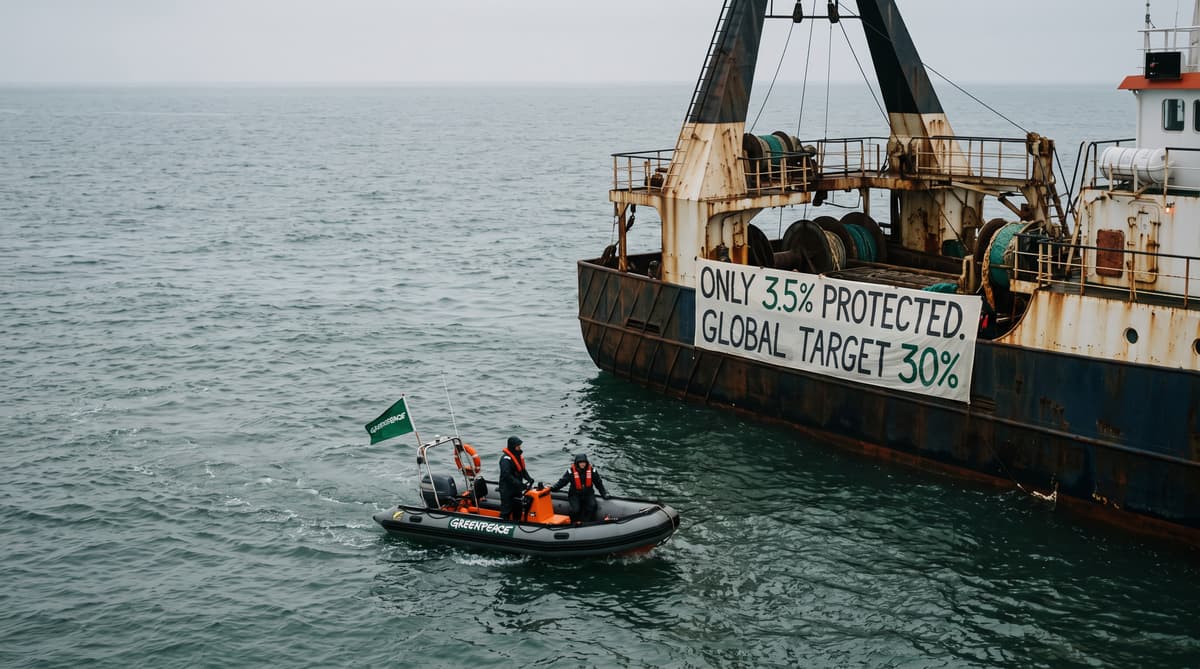
Only 3.5% of the world’s oceans are fully or largely protected, according to a Greenpeace study released as the UN Conference on Biological Diversity gets underway in Armenia. At the current rate of expansion, the organisation calculates that the international goal of protecting 30% of the oceans by 2030 would take another 265 years to reach.
The figures put a sharp measure on the distance between the commitment adopted by governments and activity at sea. Protected status can restrict destructive practices including overfishing and deep-sea mining, but the designation must cover the places where marine species feed, breed and migrate. Greenpeace’s report, titled Well Connected, argues that existing and proposed areas do not yet form a sufficiently connected network.
The timing gives the assessment added weight. Governments are meeting to advance implementation of global biodiversity agreements, while negotiations over high seas governance continue. The high seas lie beyond national jurisdiction and account for much of the ocean, making coordinated action essential.
Greenpeace said it had identified 17 areas that should receive full protection under the Global Ocean Treaty. The organisation is calling on governments to move from broad promises to legally backed marine reserves.
Link protected areas for migratory species
Four out of five leatherback turtle habitats facing medium to high bycatch risk sit outside proposed protected areas. Greenpeace uses the finding to show why the location and design of marine reserves matter as much as their total area.
Leatherback turtles cross national boundaries during long migrations, moving through waters used by fishing fleets and commercial shipping. A protected area that covers one feeding ground but leaves the connecting route exposed offers limited security for a species that spends its life on the move. The same concern applies to whales and other migratory animals whose ranges span coastal waters and the high seas.
Greenpeace is proposing a connected network across the Atlantic. The plan would fully protect 31% of the Atlantic high seas, linking habitats used by migratory species. The organisation says the network would include almost 45% of the danger zones for humpback whales and reduce the risk of ship collisions.
The proposal reflects a wider shift in conservation planning. Marine protection is increasingly measured by ecological coverage, enforcement and links between habitats, rather than by the number of isolated areas announced on paper. For fishing communities and shipping operators, that approach could bring new restrictions in specific locations, alongside clearer rules for areas already under pressure.
Turn the high seas treaty into protection
Greenpeace has identified 17 areas for full protection under the Global Ocean Treaty. The treaty is designed to provide a legal framework for creating marine protected areas in waters beyond national jurisdiction, where no single country can act alone.
The agreement also exposes the practical challenge behind the 30% target. Governments must agree which areas qualify, establish management rules and build systems capable of monitoring activity across remote waters. Protection requires more than drawing boundaries on a chart. It depends on surveillance, cooperation with fishing and shipping authorities, and enforcement against illegal or damaging operations.
Greenpeace’s call comes as governments review their biodiversity commitments in Armenia. The organisation says the present pace leaves a large gap between political declarations and implementation. Its proposed Atlantic network offers one possible route to accelerate progress, particularly for species whose habitats cross several jurisdictions.
The debate also intersects with commercial pressure on the ocean. Overfishing affects food supplies and coastal economies, while interest in deep-sea mining has grown despite continuing disputes over its environmental consequences. Decisions taken under the treaty will help determine which activities are allowed in protected zones and how the international community responds when rules are breached.
Switzerland weighs its next treaty step
Switzerland has signed the Global Ocean Treaty, but it has not yet ratified it. The next step depends on domestic legislation, with the proposed High Seas Protection Act intended to provide the legal basis for ratification. The consultation on that legislation ended in early October 2026.
Although Switzerland has no coastline, decisions on ocean governance still reach the country through its international commitments, research institutions, shipping interests and consumption of seafood. Ratification would add Switzerland’s support to a treaty intended to enable protected areas in international waters. It would also test how quickly the Swiss political system can translate a negotiated international agreement into national law.
The process takes place alongside wider pressure to meet biodiversity goals. Greenpeace says governments need to accelerate designation of protected areas and connect them across migration routes. For Switzerland, the immediate issue is whether the federal authorities and parliament will complete the steps required for treaty approval, and how the country will contribute to implementation once the agreement takes effect.
The organisation’s 265 year estimate is based on the current pace of progress. That pace could change through new protected areas, stronger enforcement and coordinated action under the treaty. The proposed Atlantic network shows the scale of the measures Greenpeace wants governments to consider.