Chocolate
Swiss chocolate industry sees tentative recovery after cocoa crisis
Swiss chocolate makers may be emerging from the worst of the cocoa crisis as prices fall from record highs and demand shows signs of recovery. Analysts caution that the turnaround remains fragile after poor harvests, plant disease and ageing trees disrupted supplies.
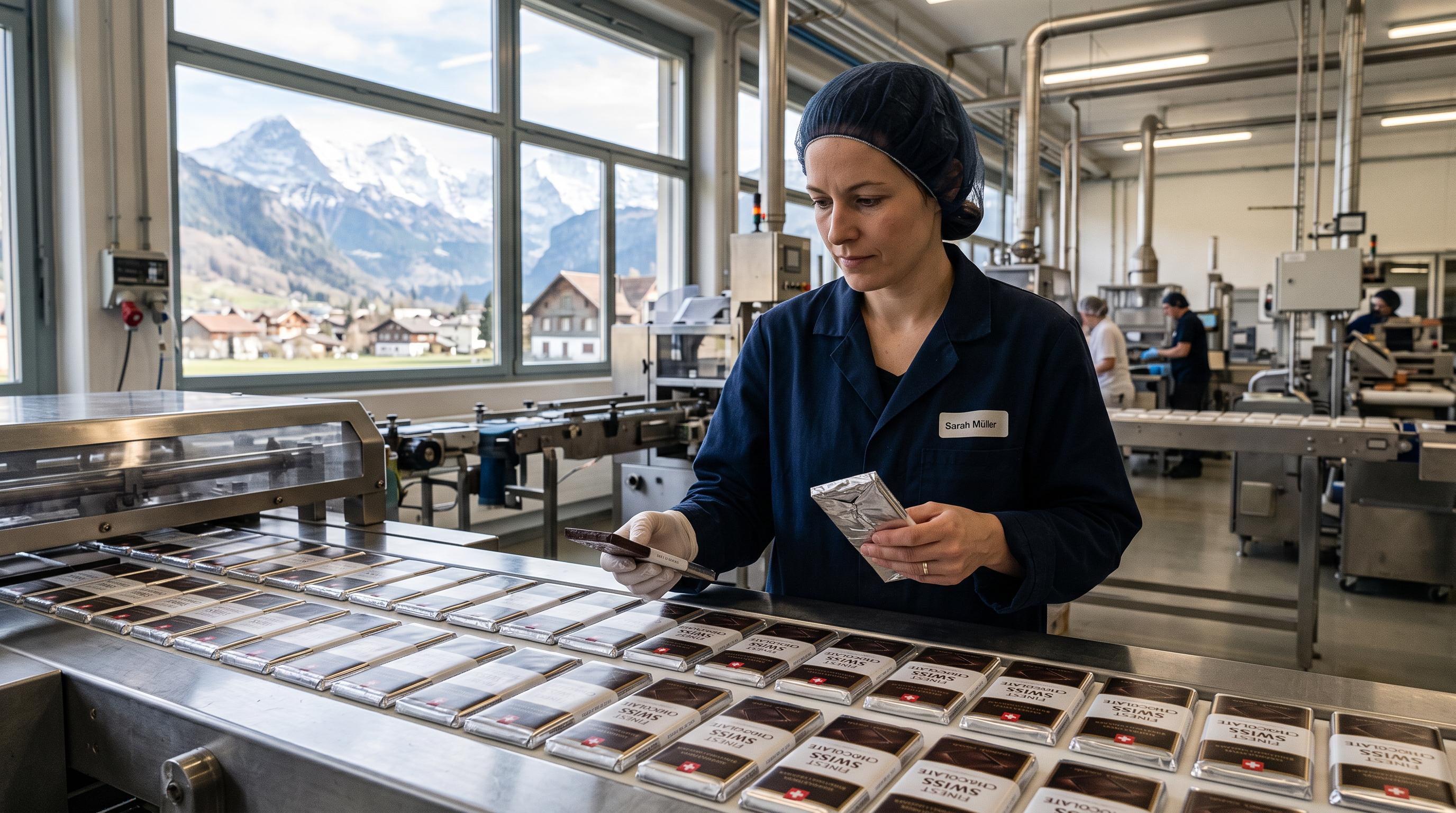
Cocoa Prices Give Swiss Makers Room to Recover
Cocoa prices have fallen 60% from their peak, giving Swiss chocolate makers their first clear opening after two punishing years. The price of cocoa is now around £4,500 per tonne, down from more than £10,000 in 2024, when supply shortages and speculation drove the market to a historic high.
Vontobel analysts say the Swiss sector may have passed its lowest point in sales volumes. Their report, published on Wednesday, described the recovery as possible but still at an early stage. That cautious assessment matters in Switzerland, where chocolate remains both a major export product and a closely watched part of the food industry.
The crisis reached consumers through supermarket shelves, tourist shops and premium confectionery counters. Manufacturers raised prices to absorb the cost of cocoa, while households increasingly chose cheaper own-brand products. Lower cocoa prices could ease pressure on producers, but they have not yet restored the purchasing power lost during the price shock.
The first signs of renewed demand are appearing in global processing data. Cocoa grindings increased in the second quarter of 2026, ending six consecutive quarterly declines. Swiss companies now need that signal to translate into sustained orders.
Price Rises Shrink Demand Across Swiss Shelves
Swiss chocolate sales volume fell 7.9% in 2025, even as industry turnover climbed 11.8%. The figures from Chocosuisse show how sharply price increases distorted the market. Companies generated more revenue, but they sold less product and reached fewer consumers.
Exports suffered an even deeper decline, falling 9.3% during the year. Switzerland’s manufacturers compete globally on quality, brand reputation and premium positioning, yet those advantages could not fully shield them from higher input costs. Per capita chocolate consumption also dropped 2.7%, confirming that the pressure reached domestic buyers.
Leading suppliers have raised product prices by a cumulative 25% to 50% since 2024, according to Vontobel. Lindt & Sprüngli illustrates the effect. The company reported 4.3% organic revenue growth in the first half of 2026, but prices increased 11.8% and volumes remained under pressure.
Consumers have adapted quickly. Some have shifted to supermarket own-label products, while others have reduced the frequency or size of their purchases. A durable recovery will require manufacturers to rebuild volume without immediately passing every cost increase on to shoppers.
Barry Callebaut Volume Growth Offers a Signal
Barry Callebaut has recorded its first sales volume growth in two years, a 5.7% increase in the third quarter of its 2025/26 financial year. The Zurich based cocoa and chocolate supplier serves manufacturers around the world, making its figures an important signal for the wider industry.
The result does not erase the losses accumulated during the crisis. It does show that companies and customers may be adjusting to a higher price environment. Manufacturers have changed product sizes, reviewed recipes, managed inventories more closely and focused on brands that can command a premium.
For Swiss producers, the recovery will also depend on visibility and cost control. Villars chief executive Nicolas Forget has said the Fribourg based maker intends to remain in Switzerland despite rising costs, while increasing its visibility and protecting efficiency.
Lindt & Sprüngli is also preparing for renewed growth, with management looking toward 2027. Its first half revenue performance was positive, but the company still relied mainly on price increases rather than higher volumes. That distinction remains crucial. A market driven only by price can lift turnover for a time. A healthier market must persuade consumers to buy more products again.
West African Weather Keeps Recovery Fragile
Four West African countries produce around three quarters of the world’s cocoa, leaving the market exposed to another supply shock. Ivory Coast, Ghana, Nigeria and Cameroon have faced poor harvests, plant disease and ageing trees. Those structural problems helped drive the crisis and cannot be repaired as quickly as prices can fall.
Vontobel analysts have also warned about the El Niño weather phenomenon, which is expected to be particularly strong this year and next. Higher temperatures and reduced rainfall could increase drought risks across West Africa, threatening yields and keeping cocoa prices elevated.
The concentration of production limits the protection that alternative suppliers can offer. Brazil is seeking a larger role in the cocoa market and has ambitions to supply more beans to Switzerland, but expanding production takes time. Farmers must establish new trees, improve disease management and build reliable supply chains before additional output can materially change global balances.
Swiss chocolate makers therefore face a fragile recovery. Lower prices improve procurement conditions, but the underlying agricultural risks remain. Companies will need disciplined purchasing and longer term relationships with growers while continuing to manage the cost pressure felt by consumers.
Swiss Makers Need Volume, Not Just Revenue
The Swiss chocolate industry enters the next phase with demand improving, but volumes still lag behind revenue. The recent rise in cocoa grindings and Barry Callebaut’s 5.7% volume growth suggest that buyers may be returning. Swiss manufacturers will need several quarters of similar data before they can treat the change as a trend.
For households, a fall in cocoa prices may eventually reduce pressure on chocolate prices, although products remain more expensive than before the crisis. Retailers and manufacturers must decide how much of any cost relief to pass on, while protecting margins in a sector that has already absorbed supply disruptions and weaker consumption.
The industry’s export performance will be equally important. Swiss chocolate makers depend heavily on international customers, and the 9.3% export decline in 2025 underlined how quickly global consumers respond to price increases. Premium brands may recover first, while mass market products continue to compete with lower priced alternatives.
Vontobel’s conclusion is measured: the low point in sales volumes may have passed, but the recovery remains young. For Switzerland, the next test will be whether lower cocoa prices become stronger demand, rather than simply better financial results on reduced sales.