Swiss National Day
A Subdued National Day: Cantons Report Quiet Skies Amid Firework Bans and Controversy
This year's Swiss National Day on August 1st was unusually quiet, with widespread firework bans leading to fewer incidents. While nearly 80,000 people enjoyed traditional farm brunches, accusations of double standards arose over exemptions granted for official firework displays.
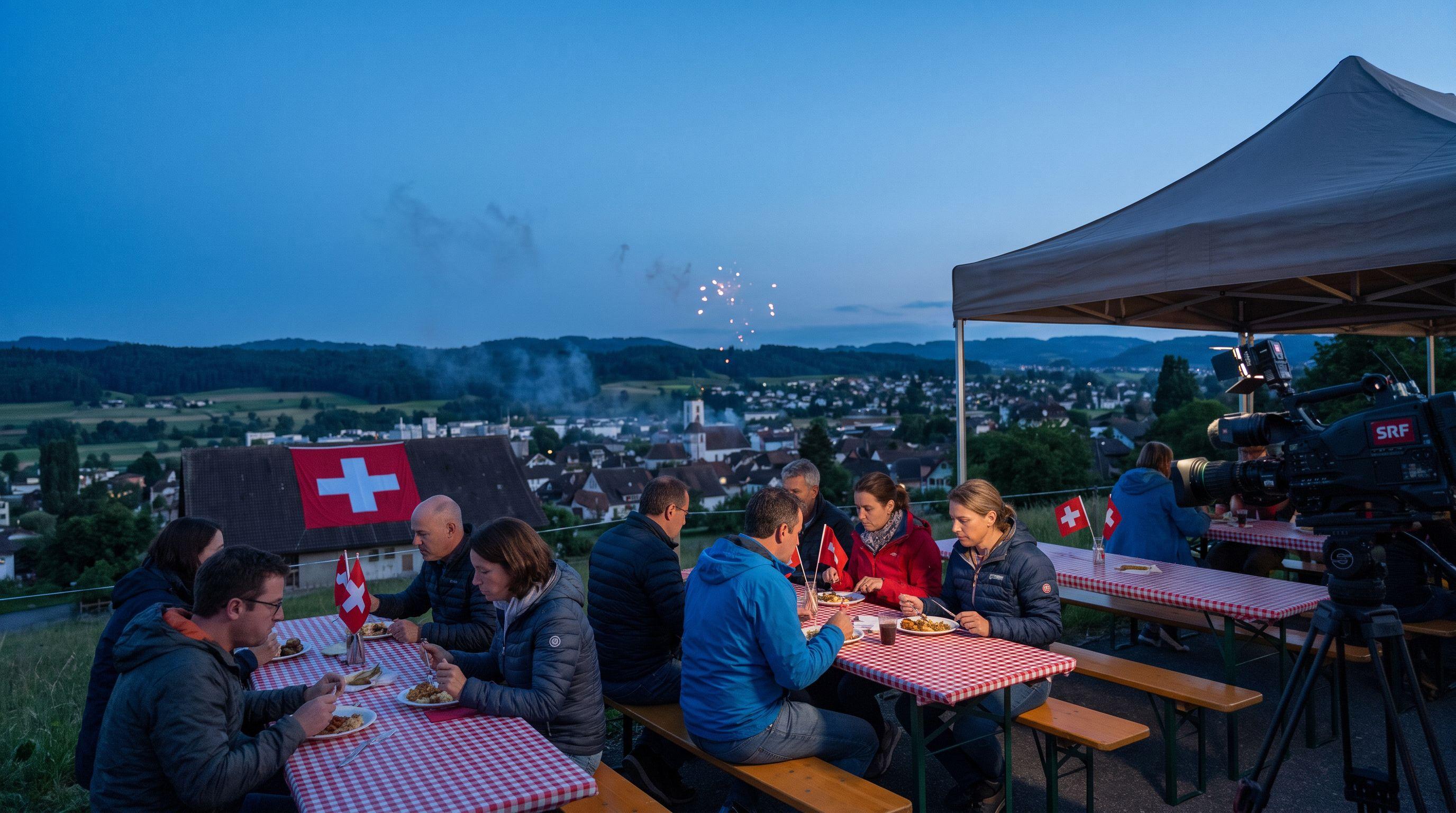
Silence Reigns Over the Swiss Skies
Switzerland’s 735th birthday arrived not with a bang, but with a whisper as unprecedented firework bans transformed the national skyline. For the first time in recent memory, emergency services across the Confederation report a 'peaceful' August 1st, characterized by an absence of the usual chaotic pyrotechnics. In Zurich, Schutz&Rettung officials confirmed that the public displayed remarkable compliance, resulting in only four minor fires—a staggering drop from previous years. The usual cacophony of rockets and fountains was replaced by a rare, contemplative quiet as cantons grappled with a severe drought that has turned the Swiss landscape into a tinderbox. While the absence of light displays felt jarring to some, the safety dividends were immediate: Canton Aargau saw a mere 33 reports related to fireworks over 48 hours, many of which were false alarms. This shift marks a critical turning point in how the nation balances festive tradition with environmental reality.
Rural Traditions Defy the Drought
Nearly 80,000 citizens abandoned the urban centers to seek solace in the heart of Swiss agriculture, participating in the massive 1st of August farm brunch initiative. Across 283 farms, the scent of fresh Zopf and regional cheeses replaced the smell of sulfur. This surge in rural tourism underscores a deep-seated desire for authentic connection over flashy spectacle. The Swiss Farmers’ Union reported that many venues were fully booked weeks in advance, proving that the appetite for tradition remains voracious even when the skies are dark. High-profile attendees, including Economics Minister Guy Parmelin and Foreign Minister Ignazio Cassis, lent political weight to these gatherings, emphasizing that the soul of the nation resides in its soil rather than its sparks. In the Emmental and Jura, families engaged directly with producers, turning a day of celebration into a vital dialogue about the future of Swiss farming amidst a changing climate.
The Great Pyrotechnic Divide
A fierce controversy is igniting across cantonal borders as accusations of 'double standards' threaten to overshadow the holiday’s unity. While private citizens faced strict prohibitions, several authorities granted controversial exemptions for official displays. In Lake Thun and Lake Zurich, massive pyrotechnic shows were permitted to proceed from boats, sparking outrage among local residents and environmental groups. The Green Liberal Party has slammed these exceptions as 'incomprehensible,' arguing they undermine the very safety messages the government is trying to broadcast. Basel-Stadt took the opposite approach, boldly canceling its legendary Rhine display to set a moral example. This fragmentation of policy—where one lake glows with fire while another remains dark—has created a confusing patchwork of regulations. Critics argue that if the forest fire risk is truly 'critical,' there should be no room for professional exceptions, highlighting a growing tension between municipal prestige and public safety.
Enforcement Grapples with a Parched Nation
Police forces are now confronting the aftermath of the bans, wielding penalties that range from a slap on the wrist to life-altering fines. In Canton Bern, the stakes are highest, with forestry laws allowing for staggering fines of up to CHF 20,000 for deliberate breaches. Meanwhile, Zurich authorities have opted for a more nuanced approach, filing reports that could lead to fines starting at CHF 100 but scaling rapidly based on the severity of the risk. In Western Switzerland, Valais and Geneva took the most aggressive stance by banning the sale of pyrotechnics entirely, a move designed to 'remove the temptation' for tourists and locals alike. As the nation moves toward a landmark vote on permanent fireworks restrictions, this year’s subdued celebrations serve as a high-stakes pilot program. The peaceful outcome of 2026 may provide the ultimate ammunition for those seeking to make the 'quiet skies' a permanent fixture of the Swiss National Day.