Business
Sandoz Navigates US Tariff Threat on Generic Drugs
Basel-based pharma giant Sandoz is closely monitoring a US proposal to impose heavy tariffs on generic medicines. The move, aimed at reshoring pharmaceutical production to the US, could have significant implications for the Swiss company's global strategy and future investments.
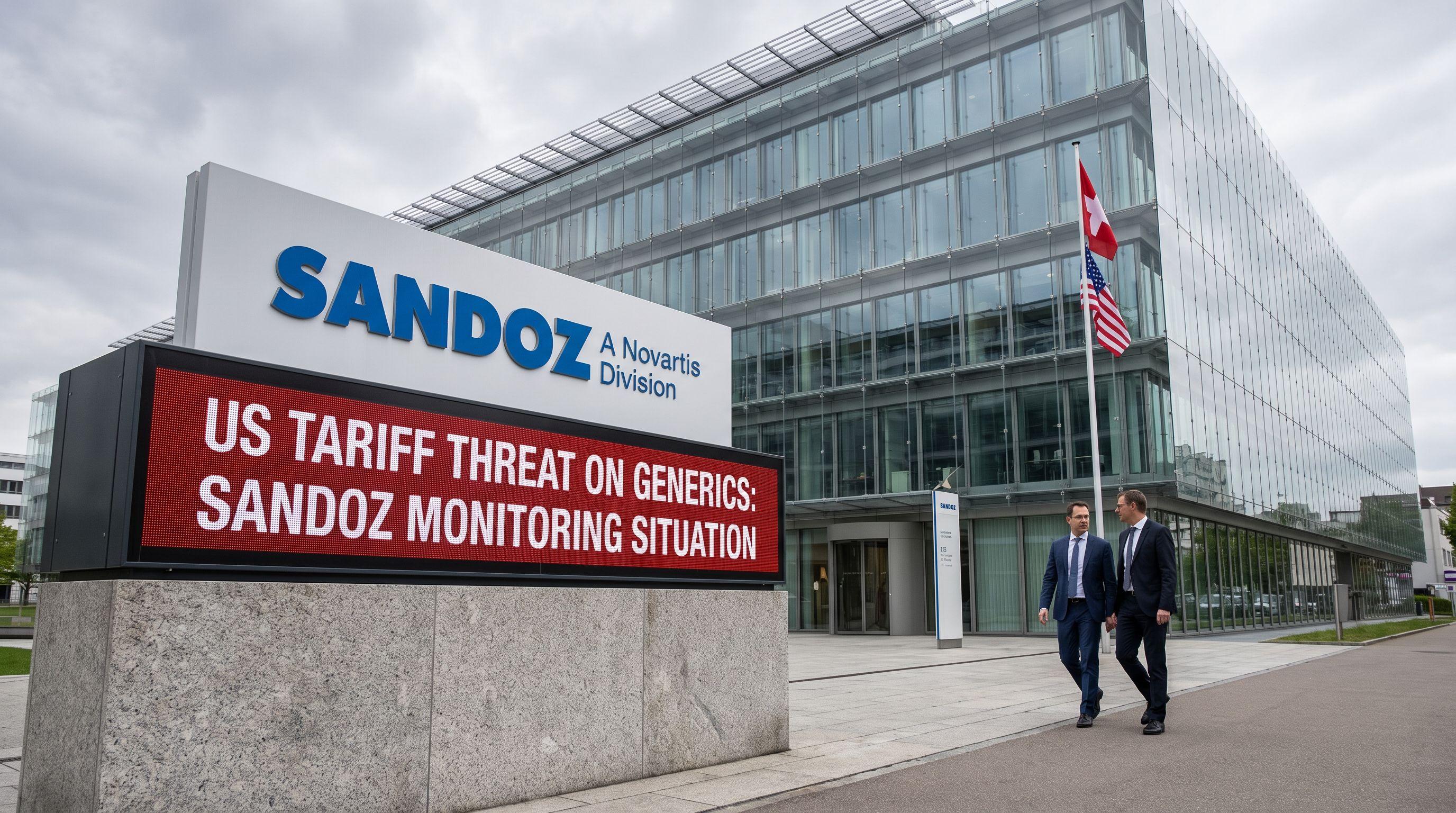
Washington Ignites a 200% Trade War
A staggering 200% tariff wall is coming for the global pharmaceutical industry. In a move that has sent shockwaves from Washington to the Rhine, US President Donald Trump has declared a total war on imported generic medicines. Starting August 1, 2026, the clock begins ticking on a two-year grace period where tariffs remain at zero. However, the hammer drops in August 2028 with a 100% levy, followed by a punishing 200% surge thereafter. This is not a mere policy tweak; it is a seismic shift designed to dismantle global supply chains. The US administration is weaponizing trade barriers to force a radical reshoring of drug production, leaving international giants with a brutal choice: build on American soil or face financial exile from the world's most lucrative healthcare market.
Sandoz Braces for the Impact
Sandoz, the Basel-based titan of generic drugs, is now officially on high alert. The company has 'taken note' of the aggressive US announcements, a diplomatic phrase that masks the intense internal calculations currently underway. While the firm maintains that it is 'too early' to fully assess the damage, the implications for its global footprint are massive. Sandoz must now scrutinize every aspect of its geographical presence and future investment decisions. The company's spokesperson confirmed they are monitoring developments with surgical precision, engaging in 'constructive dialogue' with stakeholders. While other medicines faced tariffs of up to 100% back in April, the inclusion of generics—previously exempt—changes the game entirely for Sandoz, which prides itself on providing affordable access to essential medicine.
The Reshoring Ultimatum
Build in America or pay the price—that is the blunt ultimatum issued by the White House. President Trump’s strategy is transparent: use massive penalties to 'reshore' generic pharmaceutical production. This policy targets companies that 'decide not to build plant and equipment' within the United States. For a company like Sandoz, which operates a complex web of global manufacturing sites, this demand threatens to upend decades of efficiency-driven logistics. The two-year window starting in 2026 is a frantic countdown for the industry. If Sandoz and its peers do not pivot their capital expenditures toward US-based facilities, they face a 100% tariff that would effectively double the price of their products overnight, making them uncompetitive against any domestic rivals. This is protectionism at its most aggressive, designed to transform the 'Made in USA' label from a choice into a necessity.
Basel’s Global Strategy Under Fire
Despite the looming clouds, Sandoz leadership is projecting a facade of calm resilience. Board Chair Gilbert Ghostine remains 'convinced that common sense will ultimately prevail,' suggesting that the sheer necessity of affordable generics for the American public might force a softening of these hardline positions. However, hope is not a strategy. As a Swiss powerhouse, Sandoz represents the pinnacle of European pharmaceutical expertise, and any forced retreat or expensive pivot to the US will have ripple effects across the Swiss economy. The stakes could not be higher: if the US successfully forces Sandoz to relocate production, it could trigger a domino effect among other Basel-based firms. For now, Sandoz stands at a crossroads, navigating a geopolitical minefield where the cost of doing business is about to skyrocket by 200%. The coming months will reveal whether Swiss common sense can truly withstand American economic nationalism.