Business
Nestlé Spins Off Water Business in €4.9 Billion Joint Venture
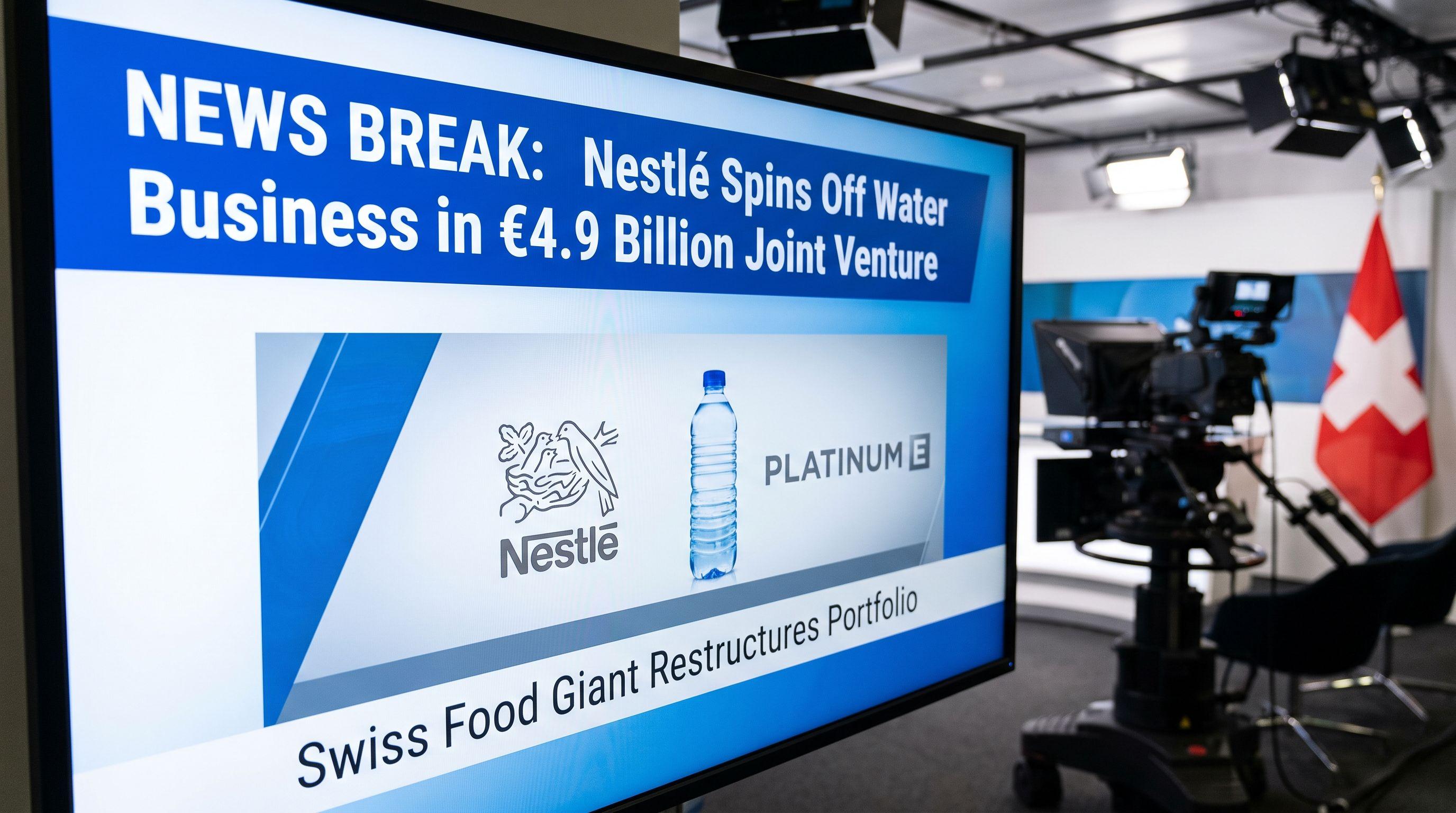
Swiss food giant Nestlé is restructuring its portfolio by spinning off its water business, including brands like Perrier and San Pellegrino, into a joint venture with US private equity firm Platinum Equity, valuing the new entity at €4.9 billion.
The €4.9 Billion Liquidity Surge
Nestlé is executing a massive strategic pivot, offloading its iconic water business into a joint venture valued at a staggering €4.9 billion. This is not just a sale; it is a seismic shift in the Swiss giant's portfolio. Under the terms of the deal with US private equity powerhouse Platinum Equity, Nestlé will pocket a massive CHF 2.8 billion in cash while retaining a 50% stake in the newly formed entity, Peranel. This move ends years of speculation regarding the fate of household names like Perrier and San Pellegrino. The market is reacting to a leaner, more focused Nestlé that is no longer willing to carry underperforming or controversial assets. By securing such a high valuation for a division that contributed just 4% to group turnover, Nestlé is signaling to investors that it prioritizes capital efficiency over sheer volume. The transaction, expected to close by the first half of 2027, marks the beginning of a new era where Swiss precision meets American private equity aggression.
Purging the Problem Child
The water division has transformed from a crown jewel into a 'problem child' for the Vevey-based conglomerate. For years, Nestlé has grappled with a series of damaging scandals that tarnished its reputation, most notably the illegal treatment of mineral water in France. Reports of unauthorized purification methods led to accusations of a state-level cover-up, creating a PR nightmare that weighed heavily on the brand's premium image. While the water segment generated CHF 3.5 billion last year, the regulatory headaches and environmental scrutiny have become untenable. By shifting Peranel's headquarters to Paris, Nestlé is effectively distancing its Swiss core from these localized French legal battles. This spin-off allows the company to insulate its broader balance sheet from the ongoing fallout of the water treatment scandal. It is a calculated retreat, designed to protect the parent company's integrity while letting a private equity partner navigate the murky waters of restructuring and regulatory compliance.
The Navratil Doctrine Takes Hold
Philipp Navratil, Nestlé's new CEO, is wasting no time in carving out his legacy through aggressive portfolio optimization. This joint venture is a cornerstone of the 'Navratil Doctrine'—a strategy focused on high-growth, high-margin sectors while ruthlessly shedding distractions. Beyond the water business, Nestlé is already hunting for buyers for parts of its vitamins and dietary supplements division. The message is clear: if a business unit does not dominate its category or align with the future of nutrition, it is on the chopping block. This restructuring confronts the reality of a global food market that is increasingly volatile and demanding. By partnering with Platinum Equity, Nestlé gains the agility of a private equity firm to revitalize brands like San Pellegrino without the constraints of public market quarterly expectations. It is a bold gamble that bets on specialization over diversification, a move that many analysts believe is overdue for a company of Nestlé's scale.
A Paris-Bound Future for Peranel
The birth of Peranel marks a definitive shift in the geography of the global water market. Headquartered in Paris, the new entity will operate with a 50/50 ownership split, ensuring that while Nestlé retains a seat at the table, the operational drive will be fueled by Platinum Equity's turnaround expertise. For Switzerland, this move represents a significant export of corporate management, yet it preserves the financial upside for Swiss shareholders through the CHF 2.8 billion payout. The implications are profound: Peranel must now prove it can thrive as a standalone entity while navigating the complexities of European labor laws and environmental regulations. As employee consultations begin and regulators sharpen their pencils, the industry watches closely. If successful, this joint venture could serve as a blueprint for other multinational giants looking to offload legacy divisions without losing total control. The first half of 2027 will be the ultimate litmus test for whether this €4.9 billion bet will pay off for the people of Switzerland and the global consumer.