Business
Zurich Insurance Fires a Dozen Staff Following FINMA Investigation
Over a dozen employees at Zurich Insurance Group have been dismissed in connection with enforcement proceedings by the Swiss financial regulator, FINMA. The action follows the discovery that the firm's corporate life insurance unit offered products at prices lower than those agreed with the regulator.
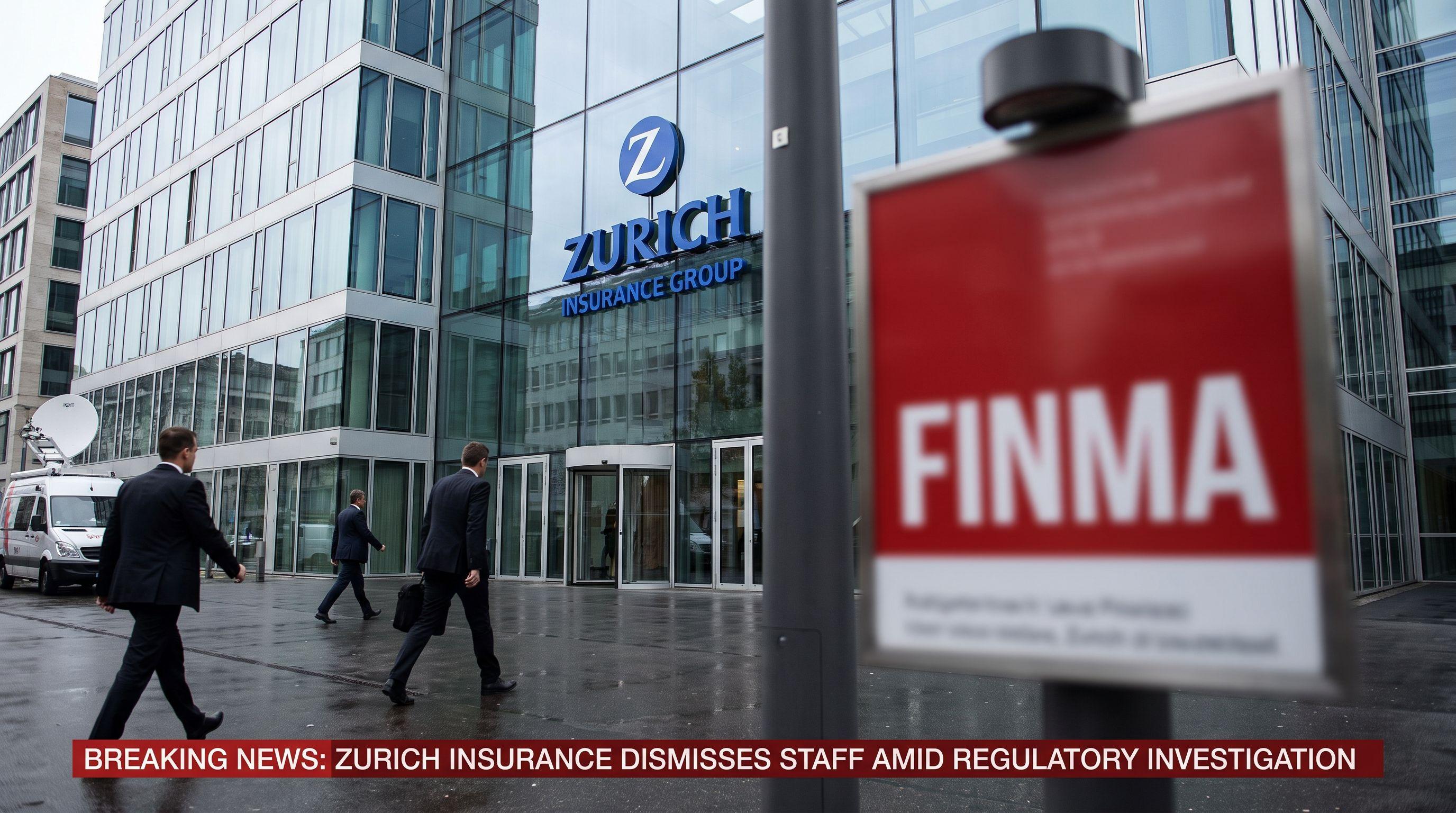
Zurich Purges Staff as Regulatory Storm Hits
More than a dozen careers ended abruptly this week as Zurich Insurance Group executed a sweeping purge of its workforce. This aggressive move follows a high-stakes enforcement proceeding by FINMA, Switzerland’s financial watchdog, sending shockwaves through the nation’s financial heart. The dismissals are not merely administrative; they represent a bold attempt by CEO Mario Greco to cauterize a reputational wound before it infects the broader group. While the insurance giant typically prides itself on Swiss precision, this scandal exposes a startling lapse in discipline. The terminations signal that the era of regulatory leniency is over, as FINMA asserts its dominance over the country's most powerful financial institutions. This is a critical moment for Zurich Insurance, as it grapples with the fallout of a probe that has moved with unprecedented speed.
Pricing Scandal Triggers Immediate Sales Freeze
A staggering pricing discrepancy has brought a key business unit to a grinding halt. FINMA has slapped a partial sales ban on Zurich’s Swiss unit specializing in corporate life insurance and pension solutions, effectively paralyzing its growth. The core of the crisis? Customers were offered products at prices significantly lower than those officially sanctioned by the regulator. This unauthorized discounting created an uneven playing field and violated the fundamental agreements that underpin the Swiss insurance market. Currently, the unit is barred from acquiring new business, permitted only to service its existing clientele. This freeze creates a dramatic vacuum in the market, as competitors look to capitalize on Zurich's forced retreat. The duration of this ban remains an alarming uncertainty, casting a long shadow over the unit's future operations.
Internal Safeguards Collapse Under Pressure
CEO Mario Greco has made a startling admission: the company’s internal defenses failed completely. In a candid confrontation with the facts, Greco acknowledged that the pricing errors should have been caught by internal controls and audits long before FINMA intervened. This admission reveals a critical vulnerability in the group’s oversight mechanisms. While Zurich Insurance portrays itself as a fortress of stability, the reality is that nearly a dozen staff members operated outside of regulatory boundaries without detection. This collapse of internal governance is particularly galling for a firm of Zurich’s stature. It raises urgent questions about the efficacy of corporate self-regulation in Switzerland. The failure was not a minor glitch; it was a systemic oversight that allowed unauthorized pricing to persist until the regulator was forced to step in. The company now confronts the arduous task of rebuilding its internal compliance culture from the ground up.
Financial Fallout and the Road to Redemption
Despite the reputational carnage, the financial impact appears contained—for now. The affected business unit generates an annual profit of approximately CHF 20 million ($24.4 million), a figure Greco insists is too small to derail the group’s overall financial trajectory. However, the broader implications for the Swiss financial sector are profound. This case serves as a stark reminder that FINMA is sharpening its teeth, moving away from a history of perceived passivity toward a more confrontational stance. For Switzerland, a nation whose global reputation is built on the integrity of its financial services, such scandals are a critical threat. Zurich Insurance must now prove that its swift firing of staff is the beginning of a genuine cultural shift, rather than a mere exercise in damage control. As the proceedings continue, the industry watches closely: will this be a localized incident, or the first of many regulatory dominos to fall?