Human Trafficking
Human Trafficking a 'Serious Problem' in Switzerland, Report Finds
On the International Day Against Human Trafficking, new figures reveal that hundreds of victims, mostly women, received support for sexual and labour exploitation in Switzerland in 2025. A coalition of NGOs highlights the ongoing challenges in prosecuting traffickers and the rise in potential cases.
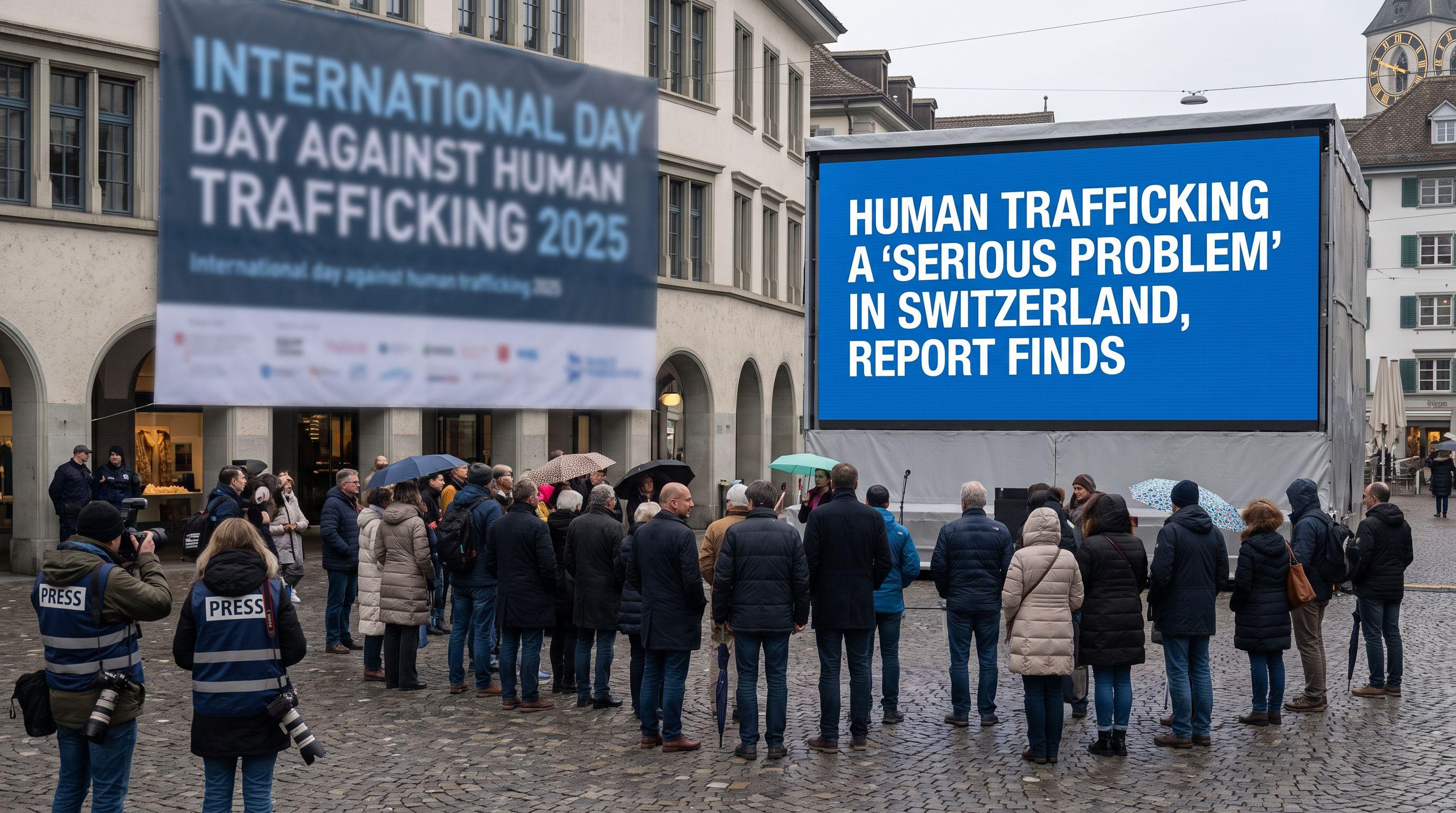
Switzerland Confronts a Hidden Crisis
Switzerland is grappling with a staggering human rights crisis as new data reveals that human trafficking and sexual exploitation are rife within its borders. In 2025 alone, a total of 532 victims received critical support from aid organisations, shattering the illusion of the Alpine nation as a safe haven. While the country celebrates its prosperity, a shadow economy of misery persists in the dark corners of its cities. The coalition Plateforme Traite reports that they conducted initial interviews with more than 380 individuals, identifying 192 new victims in just one year. This isn't just a statistic; it is a profound failure of protection. The majority of these victims—a crushing 70%—are women, lured by false promises and trapped in a cycle of abuse. As the International Day Against Human Trafficking passes, the urgency for action has never been higher. Switzerland must now confront the reality that its high standard of living is being subsidized by the forced labour and sexual exploitation of the vulnerable.
Exploitation Surges Across Borders
The reach of trafficking networks in Switzerland is global, drawing victims from 79 different countries of origin. A staggering 55% of newly identified victims were subjected to sexual exploitation, while 42% suffered under the weight of labour exploitation. This shift highlights a diversifying criminal landscape where the construction, catering, and domestic sectors are becoming hotspots for modern slavery. Last year, the most frequent origins for victims were Colombia, Nigeria, and Brazil, proving that international syndicates view Switzerland as a lucrative destination for their illicit trade. While sexual exploitation remains the dominant form of abuse, the rise in labour trafficking cases—such as the recent high-profile appeal in Gstaad involving domestic workers—demonstrates that no sector is immune. The demand for cheap labour and illicit services continues to fuel this trade, leaving nearly half of all victims trapped in workplaces that resemble prisons more than professional environments.
Justice Stalls as Perpetrators Evade Law
Switzerland’s judicial system is failing to deliver justice, with an average of only ten final convictions for human trafficking per year since 2006. This abysmal record stands in stark contrast to the 87 criminal proceedings that were pending in 2025. Despite 68 new complaints being filed last year, the path to a conviction remains fraught with obstacles. Plateforme Traite warns that many perpetrators remain unpunished, emboldened by a system that struggles to translate investigations into prison sentences. The gap between the number of identified victims and the number of successful prosecutions is a chasm that traffickers are all too happy to exploit. While victims risk everything to come forward, the legal machinery often grinds to a halt, leaving them without the closure or protection they were promised. This lack of accountability sends a dangerous message: that in Switzerland, the business of human trafficking is a low-risk, high-reward enterprise.
Demanding a Legislative Overhaul
The root of the problem lies in a flawed legal framework that lacks the clarity needed to pin down traffickers. Plateforme Traite is calling for an immediate revision of the Swiss Criminal Code, arguing that the current definition of human trafficking is too vague, particularly regarding labour exploitation. This lack of specialist knowledge and awareness among judicial officials means that complex cases often fall through the cracks. Switzerland must modernize its approach, ensuring that prosecutors have the tools to dismantle trafficking rings and that victims are not denied justice due to semantic loopholes. The future of Swiss human rights depends on a decisive pivot toward victim-centered justice and aggressive prosecution. Without a dramatic shift in how the state defines and pursues these crimes, the number of victims will only continue to rise. The time for rhetoric has passed; Switzerland needs a legal iron fist to crush the trade in human lives.