journalism
Zurich prosecutors charge journalist over Vincenz revelations
Zurich prosecutors have charged business journalist Lukas Hässig over articles that helped expose alleged irregularities involving former Raiffeisen chairman Pierin Vincenz. The case follows a successful appeal by Vincenz’s business partner after prosecutors had dropped it in 2025.
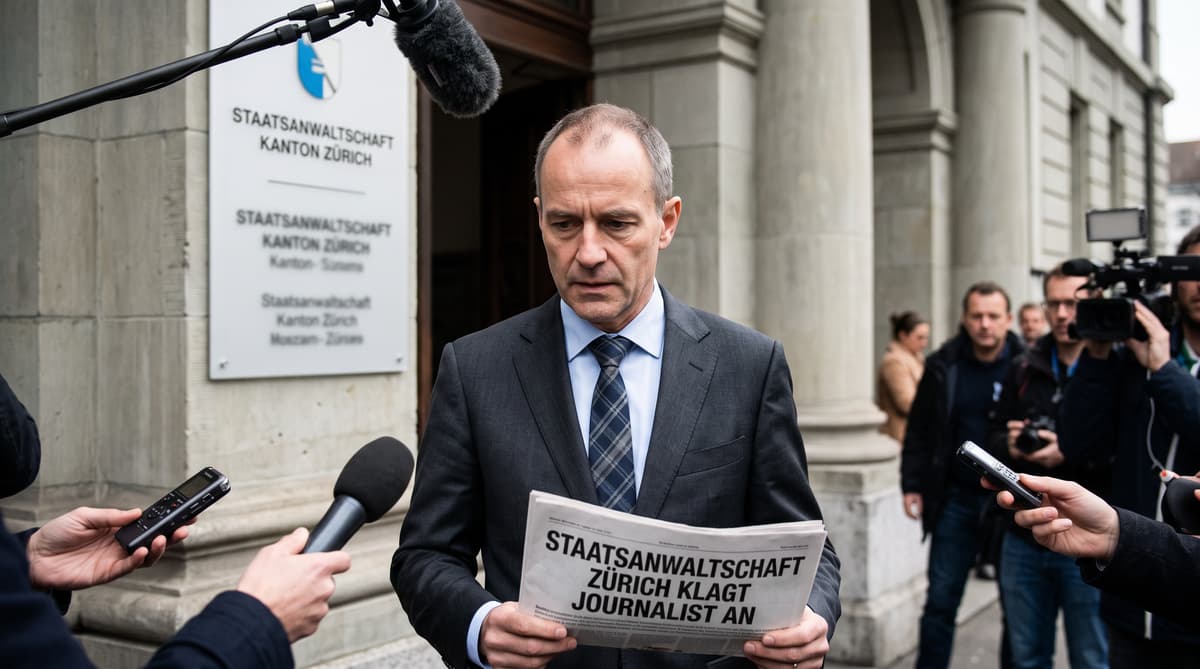
Zurich prosecutors have revived a case against a journalist whose reporting helped bring a major Swiss banking scandal into public view. Lukas Hässig disclosed the charges on 15 October 2026 in Inside Paradeplatz, the publication he runs. The Zurich Public Prosecutor’s Office had dropped the case in December 2025, but Beat Stocker, the former Aduno chief executive and Pierin Vincenz’s business partner, appealed that decision and won.
The prosecution now moves forward even though the alleged privacy violations arise from reporting on a case that has already produced convictions at first instance. Hässig previously took his effort to block a trial to the Federal Court, without success. Zurich has not yet fixed a hearing date.
The case puts a Swiss business journalist’s methods and legal exposure alongside the continuing criminal proceedings against two of the country’s best-known banking executives. Hässig’s articles examined allegations that Vincenz and Stocker used their positions to profit from transactions involving companies linked to Raiffeisen and Aduno. Stocker says the reporting infringed his privacy. Authorities searched Hässig’s office and home in June 2025.
Track the Appeal That Reopened the Case
Stocker’s appeal changed the course of a prosecution that had appeared finished. The Zurich Public Prosecutor’s Office had decided not to bring charges after investigating Hässig’s articles and the allegations raised by Stocker. The decision did not end the matter. Stocker challenged it, and the successful appeal returned the journalist’s conduct to the criminal courts.
The available account identifies privacy as the basis of Stocker’s complaint. It does not state which specific passages prosecutors will pursue or what penalty they may seek. Those details will become clearer when the indictment and hearing schedule enter the public record.
The June 2025 searches gave the dispute a concrete dimension. Investigators went to Hässig’s workplace and home as they examined whether his reporting crossed legal boundaries. Hässig then sought relief from Switzerland’s highest court, but the Federal Court did not prevent the trial.
For Swiss media organisations, the case carries practical significance. Reporting on corporate governance can involve private financial relationships, personal conduct and documents obtained during a criminal investigation. The charges will test how Zurich courts weigh those competing interests in a case that began with scrutiny of powerful figures in the banking sector.
Await the Banking Trial’s January Verdict
The journalist’s case remains tied to a banking trial whose next major date is 11 January 2027. The Zurich Court of Appeal will then deliver its verdict in proceedings against Vincenz, Stocker and other defendants. The court had been expected to rule earlier, but the decision has been deferred until January.
The underlying allegations concern undisclosed shareholdings and subsequent purchases. Prosecutors allege that Vincenz and Stocker secretly acquired stakes in certain companies, then arranged for Raiffeisen or Aduno to buy those interests. Vincenz chaired Raiffeisen’s board, while Stocker served as Aduno’s chief executive. The alleged transactions produced millions of francs in profits, according to the prosecution case described by Keystone-SDA.
The men also face allegations that private spending, including visits to cabarets and strip clubs, was recorded as entertainment expenditure. Both received prison sentences from the Zurich District Court at first instance: three years and nine months for Vincenz and four years for Stocker.
The appeal verdict will determine the next stage of the banking case. The separate prosecution of Hässig will proceed on its own timetable, but the two proceedings remain connected through the reporting that first drew sustained attention to the alleged transactions.
Watch the Courts Set the Next Milestones
The next legal milestones will shape both the scandal’s legacy and the risks faced by journalists covering it. Zurich must now handle a prosecution that follows an earlier decision to drop the case, a successful appeal by a person named in the reporting and an unsuccessful Federal Court challenge by Hässig. The hearing date remains unknown.
The chronology also shows how quickly a privacy dispute can become part of a wider public-interest battle. Hässig’s articles concerned alleged conduct at the top of Raiffeisen and Aduno, institutions with major roles in Swiss finance. The prosecution focuses on the journalist’s treatment of private information, while the banking case examines whether executives used their positions to profit from transactions and disguise personal expenses.
Swiss readers will have to follow two separate judicial tracks. The Zurich Court of Appeal is scheduled to issue its ruling on 11 January 2027. The case against Hässig will require a later hearing and a separate assessment of the disputed articles.
Until then, the courts will determine how the competing claims of privacy, due process and scrutiny of corporate power apply to the facts. The public record will expand as the indictment, hearing date and appeal verdict become available.