Government
Swiss Citizenship Applications to Go Digital Starting in August
The Swiss Federal Council is launching the digitalization of the naturalization process starting August 1st, 2026. This move aims to modernize and streamline the administrative path to obtaining Swiss citizenship for future applicants across the country.
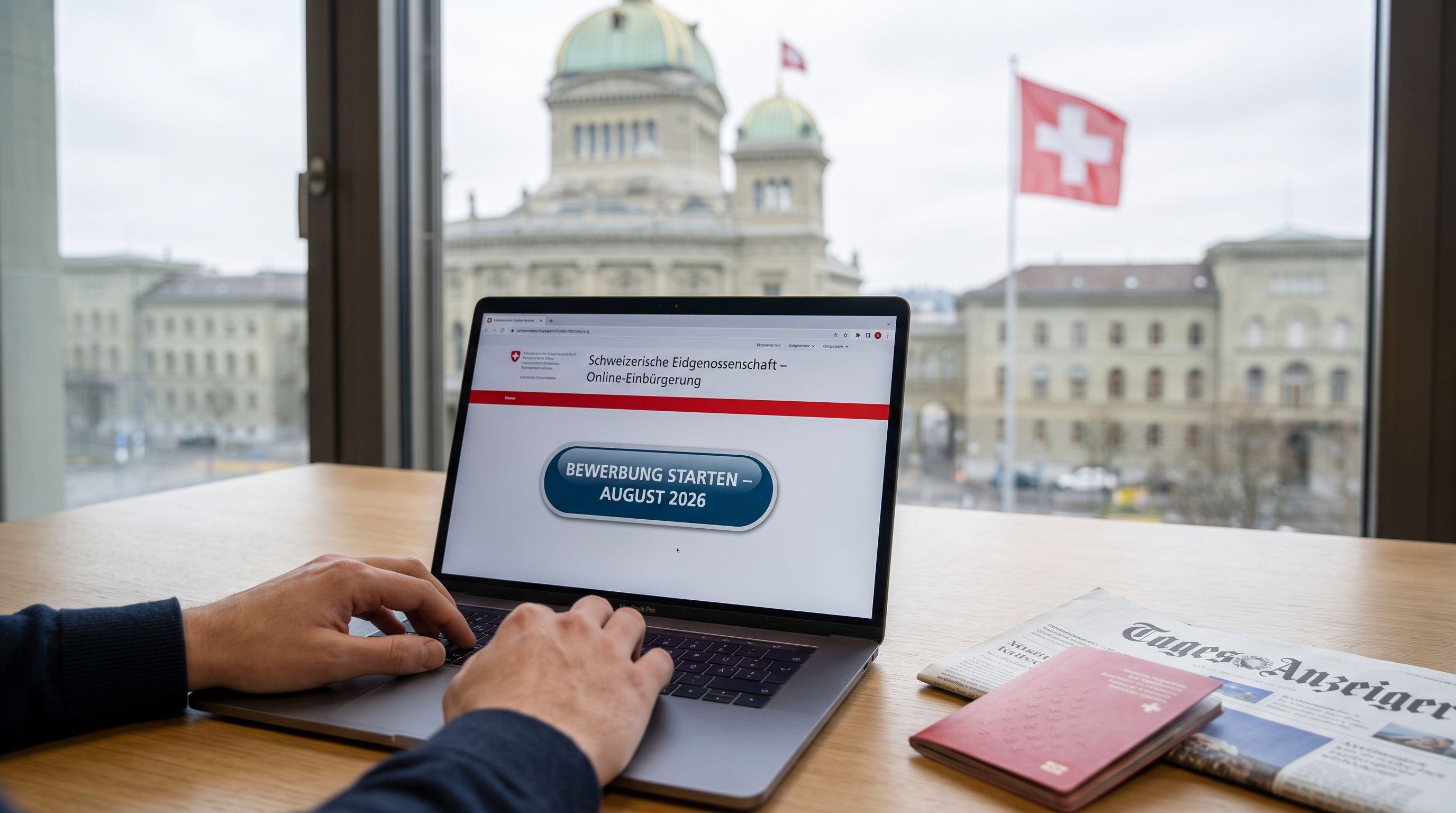
Switzerland Shatters the Paper Ceiling
Switzerland is finally dragging its naturalization process into the 21st century. Starting August 1st, 2026, the Federal Council is launching a nationwide digitalization of the citizenship application process, marking a monumental shift in how the country defines its future. For decades, the path to the 'Red Passport' has been synonymous with mountains of paperwork and archaic filing systems. This transformation is not merely a technical update; it is a bold statement of intent. By moving the process online, Switzerland is signaling that it is ready to modernize its most sacred administrative ritual. This move coincides with Swiss National Day, underscoring a new era where tradition meets technology. While the core requirements for citizenship remain rigorous, the delivery mechanism is undergoing a radical overhaul that promises to eliminate the friction of physical document handling.
Streamlining the Path to the Red Passport
Efficiency is the new currency of the Swiss Confederation. The digitalization of naturalization applications aims to slash the administrative burden that has historically plagued both applicants and cantonal authorities. Under the new system, the Federal Council expects to see a significant acceleration in data verification and cross-cantonal communication. Previously, applications could languish for months in transit between local, cantonal, and federal offices. Now, digital dossiers will move at the speed of light. This modernization is critical as Switzerland grapples with a growing backlog of residents eligible for citizenship. By centralizing and digitizing the intake, the government aims to provide a more transparent and predictable timeline for applicants. This is a decisive strike against the 'bureaucratic inertia' that has often characterized the naturalization journey, ensuring that the most qualified residents can integrate into the Swiss political fabric faster than ever before.
Confronting the Administrative Labyrinth
The complexity of the Swiss three-tier citizenship system—communal, cantonal, and federal—has long been a source of frustration. However, this digital pivot confronts that labyrinth head-on. While the decentralized nature of Swiss naturalization remains intact, the digital platform provides a unified gateway. This ensures that whether an applicant is in Zurich or a remote village in Graubünden, the initial interface remains consistent and accessible. Critics have often pointed to the 'postcode lottery' of Swiss citizenship, where administrative efficiency varied wildly by region. This digitalization effort serves as a powerful equalizer, standardizing the submission process across all 26 cantons. It forces a level of technical synchronization that was previously unthinkable in the Swiss federalist system. The government is not just changing the format; it is professionalizing the entire experience to meet the expectations of a tech-savvy, globalized workforce.
A Digital Future for a Historic Identity
August 1st, 2026, will be remembered as the day the Swiss identity went paperless. The implications of this shift extend far beyond simple convenience. As the Federal Council implements these digital procedures, it sets a precedent for all future interactions between the state and its residents. This is a high-stakes gamble on the security and reliability of Swiss digital infrastructure. The success of this rollout will likely determine the pace of digitalization for other critical services, from voting to tax residency. For the thousands of foreign residents who call Switzerland home, this change represents a more welcoming, modern face of the state. As the first digital applications are processed this August, the world will be watching to see if Switzerland can maintain its reputation for precision while embracing the fluidity of the digital age. The 'Red Passport' remains a symbol of prestige, but the path to obtaining it is finally reflecting the innovative spirit of the nation.