Education
Could the rise in foreign students push up Swiss university fees?
Switzerland’s universities are preparing for a substantial increase in foreign students, prompting debate over whether tuition fees should rise. The issue could reshape access to higher education and the financing of the country’s universities.
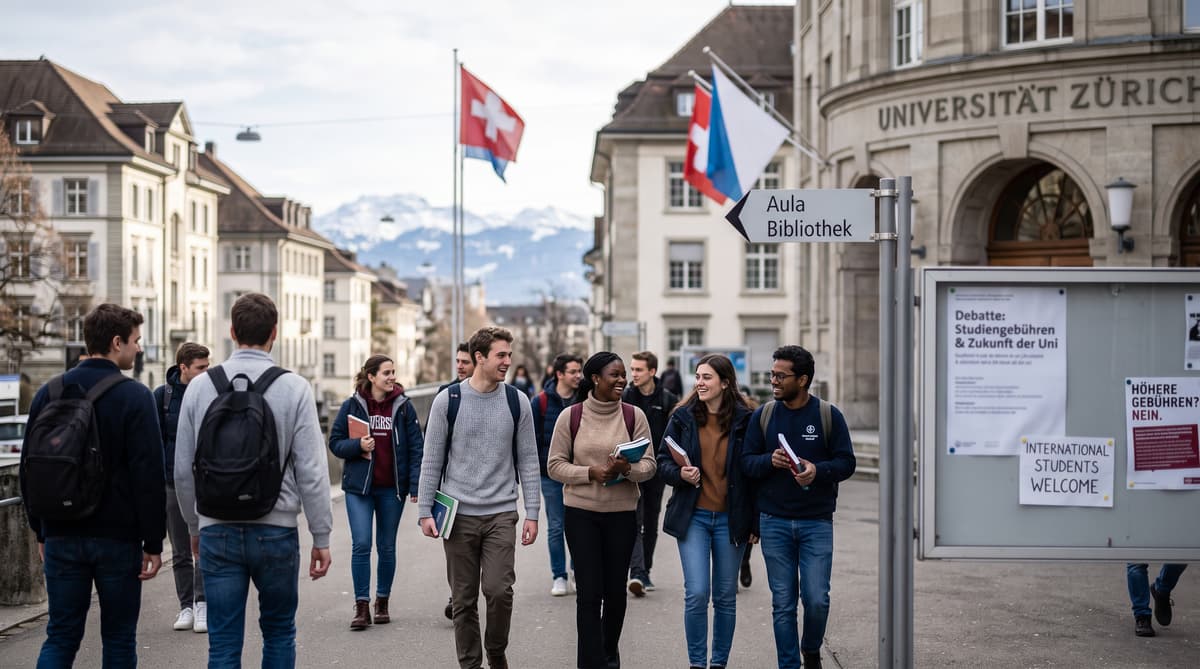
Swiss universities are preparing for a sharp rise in student numbers, and foreign enrolment is expected to account for part of that growth. The projection places tuition policy at the centre of a debate that reaches beyond university finance. It could affect how Switzerland manages access to higher education, how institutions plan capacity and how students from abroad assess the country as a study destination.
The issue is emerging as universities, including ETH Zurich, attract increasing international attention. The source analysis identifies ETH as an example of an institution likely to see more foreign students, though it does not provide an enrolment forecast or a national figure.
That missing detail matters. The scale and timing of the increase will shape the pressure on lecture halls, laboratories, housing, administration and student services. It will also determine whether universities seek additional public funding, adjust existing fee structures or introduce higher charges for some categories of students.
For now, the available reporting establishes the direction of travel rather than a final policy. Swiss universities face expected growth, foreign students form part of it, and the cost of accommodating that expansion remains under discussion.
Measure the Cost of International Growth
The foreign-student increase could bring both academic benefits and immediate capacity costs. International students contribute to the diversity of Swiss campuses and strengthen the global reach of institutions such as ETH Zurich. Their presence can support research networks, attract talent and reinforce Switzerland’s reputation in higher education.
Growth also creates practical demands. Universities must have enough teaching space, laboratory access, administrative staff and support services to serve a larger population. In Switzerland, where accommodation costs are already a major consideration for students, a larger university population could add pressure to local housing markets, although the source article provides no estimate of the likely effect.
The debate over fees therefore sits alongside a broader planning challenge. A university that expands its intake needs resources before students arrive, not only after budgets have been adjusted. Any assessment would need to distinguish between one-off investment, recurring operating costs and the public value generated by international education.
The available report does not identify a proposed fee level or a specific group facing an increase. It raises the policy question while the underlying growth analysis remains the key starting point.
Put Access and Funding on the Same Ledger
Higher fees would change the financial calculation for students choosing Switzerland. The source article asks whether universities could raise tuition to cover the costs associated with growth, but it does not report a government decision, a university proposal or a new fee schedule.
That distinction is important in a country where universities operate within a public financing system and where affordability remains part of the political discussion. A fee increase could affect students differently depending on their origin, level of study, programme and access to scholarships or other support. The source material does not specify which categories might be affected.
Universities would also need to explain how additional revenue would be used. Students and taxpayers could reasonably seek clarity on whether funds would support teaching, research, laboratories, student accommodation, counselling or administrative capacity. Without those details, it is impossible to assess the size or fairness of any potential increase.
The debate is still at the stage of examining options. The reporting confirms the expected rise in foreign enrolment and links it to the question of fees, while leaving the eventual policy response open.
Force the Funding Debate Into the Open
Switzerland now faces a planning decision before the projected growth becomes a day-to-day capacity problem. Universities will need reliable estimates of student numbers, funding requirements and infrastructure needs. Policymakers will then have to decide how much of that cost should be carried by public budgets, universities or students.
The choices will matter beyond individual campuses. Switzerland benefits from internationally connected universities, and foreign graduates can contribute to research, business and public life. At the same time, the country must account for the effect of expansion on local services and on students who rely on affordable access to higher education.
The source reporting does not provide the underlying analysis in full, nor does it include official comments from the federal government, cantonal authorities or university leaders. It therefore cannot establish whether fees will rise or how any change would be implemented.
What it does establish is the timetable for the debate. On 15 October 2026, The Local reported that sharp university growth was expected and that foreign students would drive part of it. The next stage will require published forecasts, cost estimates and clear proposals from the institutions and authorities responsible for Swiss higher education.