Cybersecurity
Cyberattackers Demand CHF 10 Million Ransom from Swiss Train Maker Stadler's Supplier
Swiss rail manufacturer Stadler Rail has confirmed a cyberattack on one of its suppliers, with the attackers demanding a CHF 10 million ransom for stolen data. Stadler has stated its own IT systems were not compromised and that it will not pay the ransom.
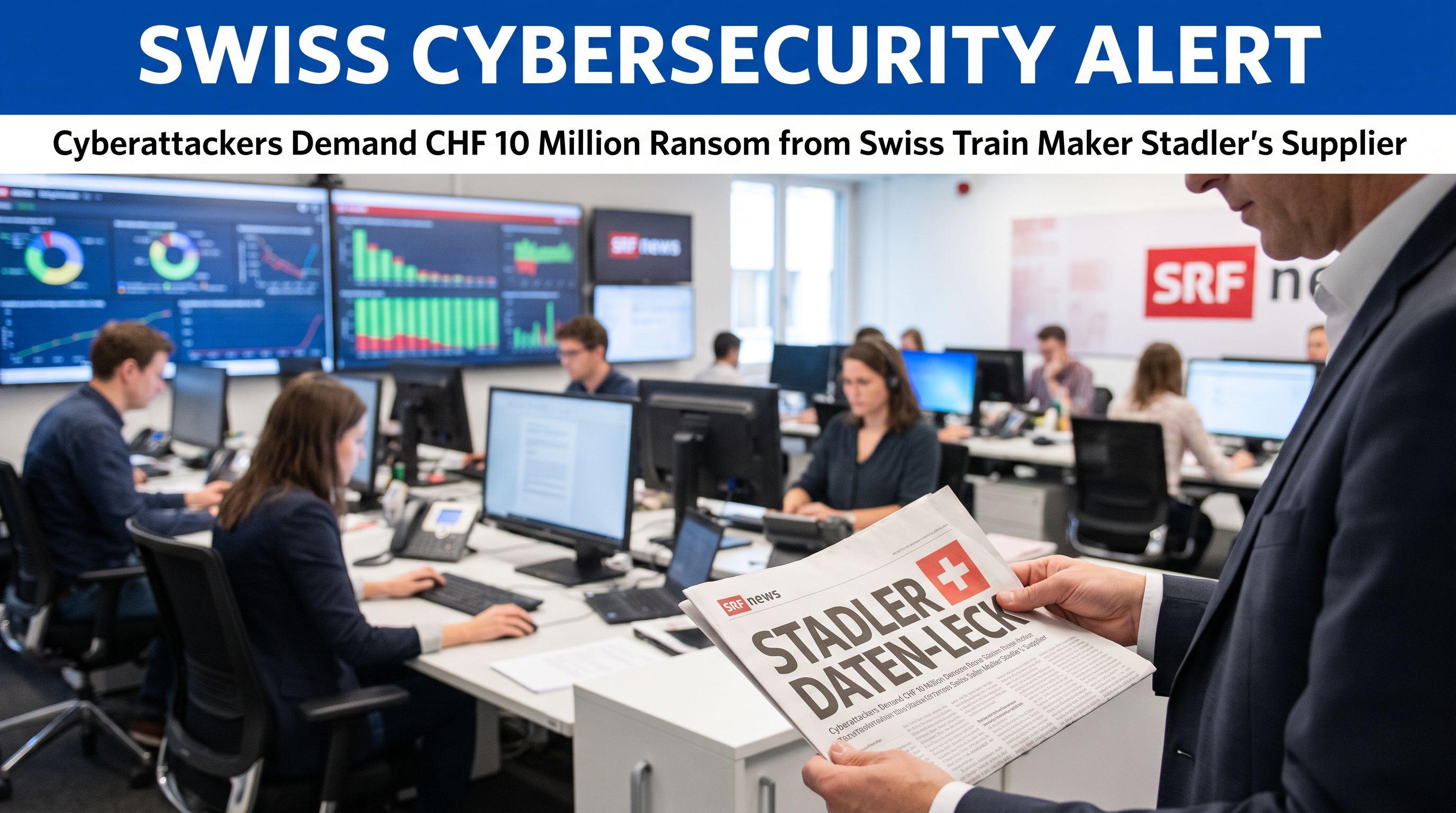
Stadler Defies CHF 10 Million Extortion Attempt
A staggering CHF 10 million ransom demand now sits at the center of a high-stakes digital standoff between Swiss rail giant Stadler and the notorious Everest cybercriminal group. While the ransom figure is eye-watering, Stadler’s response is bone-dry: not a single cent will be paid. The company has moved with lightning speed to notify law enforcement, filing a formal police report immediately after the threat surfaced. This bold refusal to negotiate sends a shockwave through the corporate landscape, signaling that Switzerland’s industrial titans will not be bullied by digital marauders. Despite the intensity of the attack, Stadler’s core operations remain unshaken. Production lines continue to hum across its facilities, and the company’s internal IT infrastructure remains a fortress, untouched by the breach that struck its periphery. This incident serves as a visceral reminder that in the modern age, the front line of industrial warfare is no longer the factory floor, but the server room.
Supply Chain Vulnerabilities Exposed
Zero internal systems were compromised, yet the attackers still managed to walk away with a trove of technical data by exploiting a weak link in the chain. The breach did not occur within Stadler’s own walls but through a third-party supplier whose trading platform credentials were stolen. This 'side-door' entry method highlights a critical vulnerability in global manufacturing: you are only as secure as your least-guarded partner. The stolen data consists of specific technical documents, which Stadler insists pose no security risk to the public or the operation of their trains. Crucially, no sensitive personal data was harvested in the raid. However, the ease with which login credentials fell into criminal hands underscores a dramatic need for tighter security protocols across the entire industrial ecosystem. As companies become more interconnected, the surface area for attack surges, leaving even the most diligent firms exposed to the failures of their associates.
Everest Group Scales New Heights of Criminality
The Everest group, a sophisticated cybercriminal syndicate, is the architect behind this CHF 10 million gambit. Known for their aggressive 'double extortion' tactics, these actors don't just lock up systems; they steal data and threaten to leak it unless their demands are met. By targeting a supplier of a high-profile Swiss manufacturer, Everest is playing a psychological game, hoping that the fear of intellectual property loss will force a payout. This is not an isolated incident but part of a surging wave of attacks targeting European infrastructure. The group’s reliance on compromised credentials from trading platforms suggests a highly opportunistic and methodical approach to infiltration. While Stadler has successfully insulated its primary production from the fallout, the presence of such predatory groups in the Swiss digital space is an alarming development that demands a coordinated national response.
Fortifying the Swiss Digital Border
Switzerland now confronts a critical turning point in its national security strategy as cyberwarfare moves from the periphery to the heart of its infrastructure. The threat to power, telecommunications, and transport is no longer theoretical—it is a daily reality. Stadler’s refusal to pay is a victory for corporate integrity, but the broader implications are significant. This event will likely trigger a dramatic shift in how Swiss firms vet their suppliers and manage digital access. We are entering an era where cybersecurity is not just an IT concern but a fundamental pillar of Swiss sovereignty. Looking ahead, the federal government and private sector must collaborate to build a more resilient digital 'Redoubt.' As the frontline of conflict shifts to the heart of European infrastructure, Switzerland's ability to protect its technical secrets and operational continuity will define its economic stability for decades to come.