Cybersecurity
Liechtenstein Hit by Major Cyberattack Targeting Beneficial Owner Register
The Principality of Liechtenstein has suffered a large-scale cyberattack, with an unknown perpetrator stealing data on 31,000 companies, foundations, and trusts from the Register of Beneficial Owners, a key anti-money laundering tool.
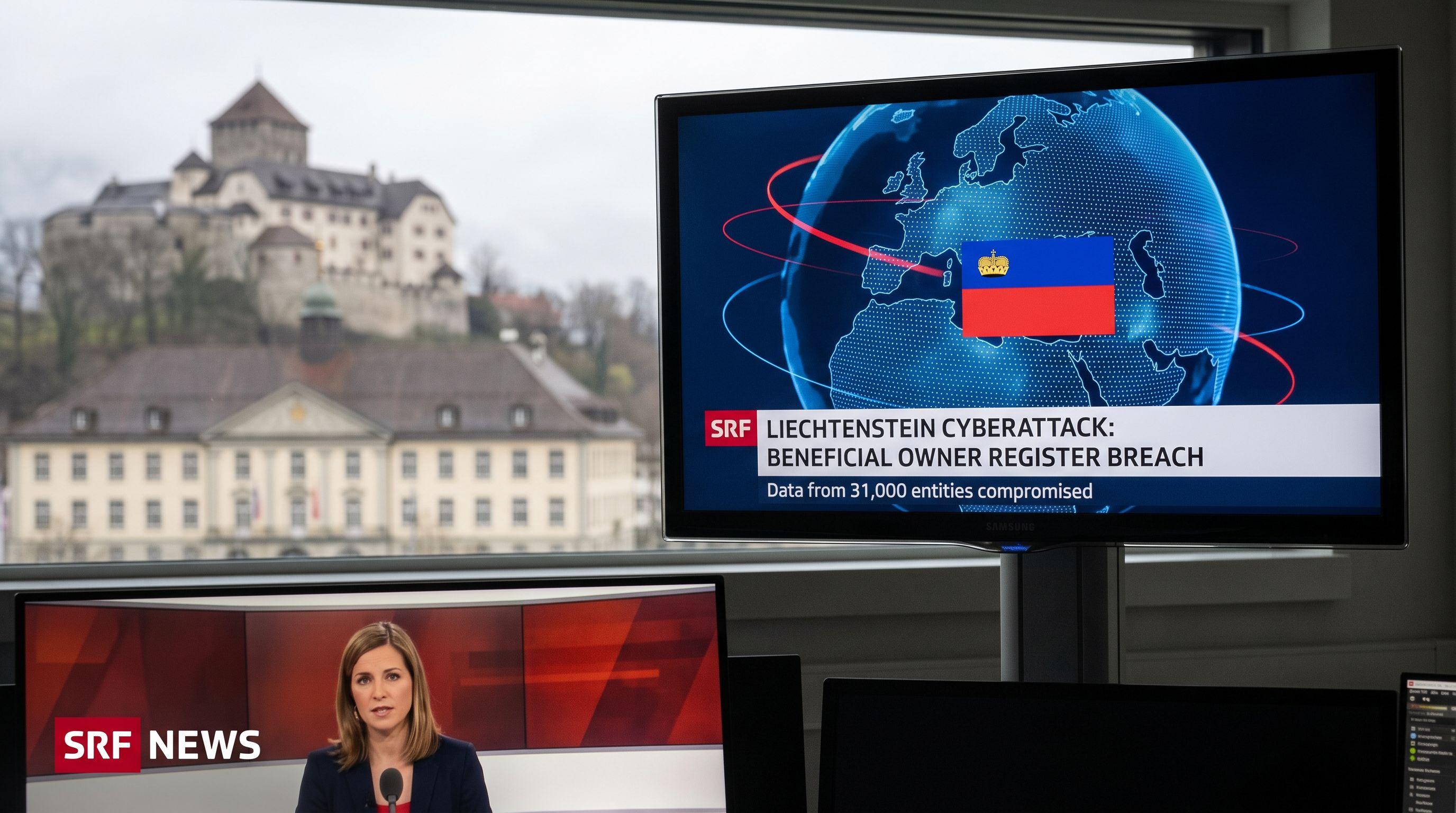
Vaduz Under Siege: The Great Data Heist
A staggering 31,000 legal entities have had their most sensitive information compromised in a surgical strike against Liechtenstein’s digital heart. During the dead of night on Thursday, July 30, unknown cyber-aggressors bypassed sophisticated security protocols to infiltrate the Principality’s 'Register of Beneficial Owners.' This is not merely a technical glitch; it is a frontal assault on the transparency infrastructure of one of Europe’s most vital financial hubs. The breach targets the very mechanism designed to pull the curtain back on foundations and trusts, exposing the identities of those who control the region's vast wealth. As the Office of Information Technology scrambled to sever the system’s connection to the outside world, the reality set in: the fortress has been breached. While the perpetrators remain in the shadows, the scale of the theft signals a level of sophistication that has sent shockwaves through the Rhine Valley. This attack marks a critical turning point for a nation that has spent years transitioning from a secretive tax haven to a compliant, transparent financial player. The digital walls meant to protect this new era of transparency have proven alarmingly porous.
Exposing the Shadows: 31,000 Entities Compromised
Over 31,000 copies of data belonging to companies, foundations, and trusts have been siphoned off in this unprecedented digital raid. To put this in perspective, this figure represents a massive portion of the legal entities operating within the Principality, effectively mapping out the ownership structures of billions in assets. The Register of Beneficial Owners, established in 2021, was the cornerstone of Liechtenstein’s commitment to EU anti-money laundering directives. Now, that cornerstone has been turned into a roadmap for malicious actors. However, in a bizarre twist of digital warfare, Prime Minister Brigitte Haas confirmed that no ransom demands have surfaced, and the stolen data has yet to appear on the dark web’s notorious marketplaces. This absence of immediate financial extortion suggests a more calculated, perhaps geopolitical, motive. The data remains intact within the system—no records were deleted or altered—but the confidentiality that is the bedrock of the financial sector has been irrevocably shattered. The contrast between the physical security of Liechtenstein’s mountain vaults and the vulnerability of its digital ledgers has never been more dramatic.
Mobilizing the Crisis Core: The Government Response
Prime Minister Brigitte Haas and Justice Minister Emanuel Schädler are now leading an emergency crisis management team to confront this existential threat to the nation's reputation. The government’s response was swift but revealed a tense timeline of discovery: irregularities were first flagged by the Office of Justice on Thursday, yet the full gravity of the situation only reached the cabinet by Friday. By Saturday evening, the crisis team was fully operational, grappling with a breach that threatens to undermine years of diplomatic work. The primary objective is clear: investigate, inform, and counter-attack. The government is now in a race against time to identify the 'unknown perpetrator' before the stolen data is weaponized or sold to the highest bidder. This incident highlights a significant vulnerability in the digital implementation of EU directives. While Liechtenstein abolished banking secrecy in 2017 to align with international standards, this breach proves that digital transparency comes with its own set of high-stakes risks. The authorities are now under immense pressure to prove that they can protect the data they are legally required to collect.
Shattering the Shield: Regional Security Implications
Switzerland and the broader DACH region must now confront the reality that their own beneficial owner registers are prime targets for sophisticated cyber-espionage. The Liechtenstein attack serves as a grim herald for neighboring financial centers. If a highly specialized jurisdiction like Vaduz can be compromised, the proposed Swiss federal register of beneficial owners faces an even steeper uphill battle for public and political trust. The implications are clear: the centralization of ownership data creates a 'honeypot' effect that attracts the world's most capable hackers. As Liechtenstein prepares to provide further updates, the financial world watches with bated breath. Will this lead to a tightening of digital borders, or will it force a complete redesign of how sensitive corporate data is stored? The coming days will determine whether this was an isolated incident or the first domino to fall in a new era of financial cyber-warfare. For now, the message to every trust and foundation in the region is loud and clear: your data is only as secure as the weakest link in the government’s digital chain.