film
Can professional film criticism survive the TikTok festival era?
Zurich Film Festival’s strategic partnership with TikTok highlights the growing role of social platforms and influencers in film promotion. Assess what the shift means for professional critics, festival programming and cultural journalism in an era when online reach increasingly determines visibility.
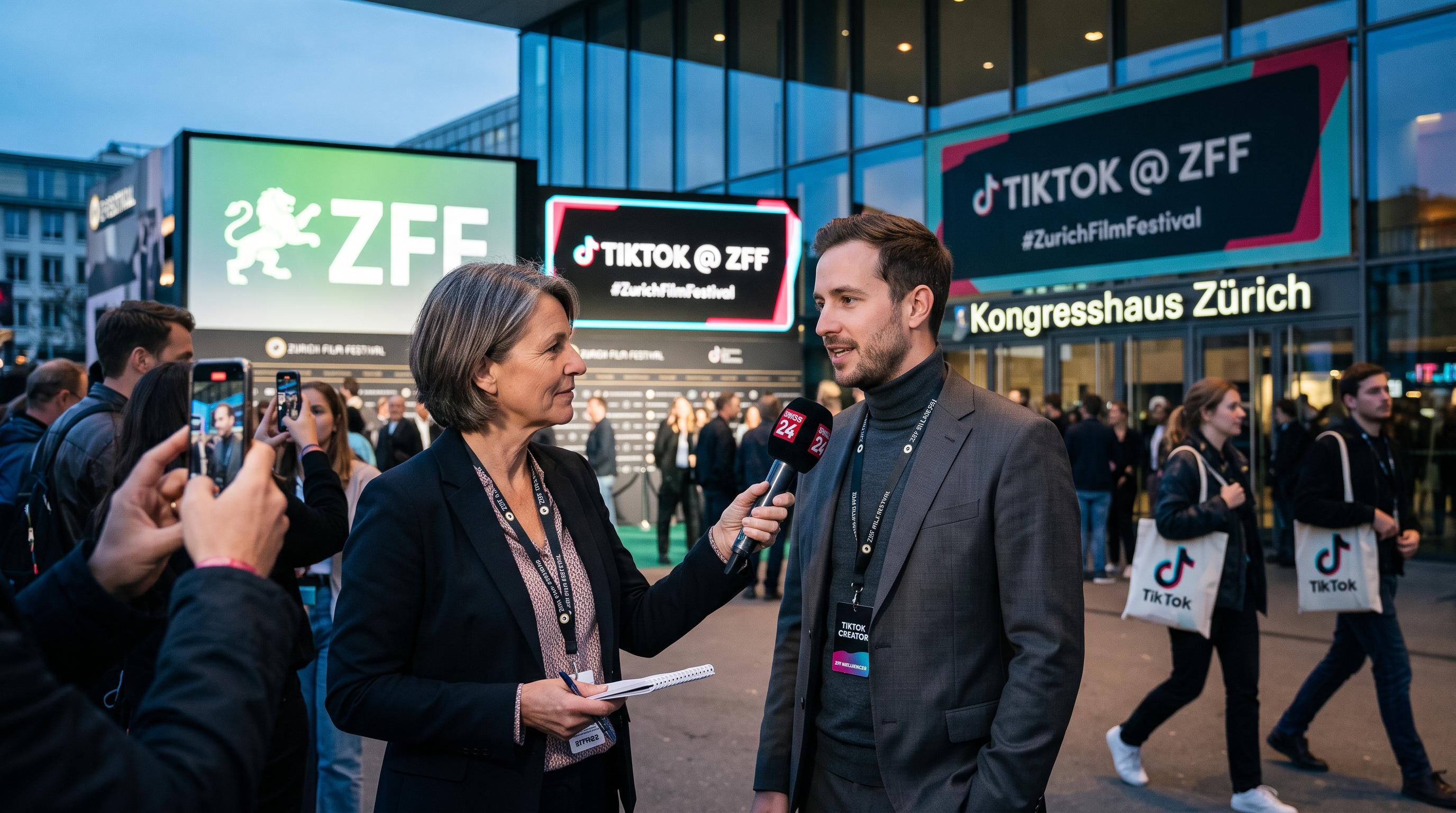
Zurich Lets the Platforms In
The Zurich Film Festival has joined a festival economy built around platform reach. Its strategic partnership with TikTok places the Swiss event in the same commercial current as Toronto and Berlin. The Toronto International Film Festival began working with TikTok in 2022. The Berlinale followed in 2026. At Cannes, Meta replaced TikTok as the platform partner this year.
The arrangements reflect how festivals now compete for attention beyond the cinema hall. Red carpet clips, celebrity interviews and short videos can reach audiences who will never read a trade publication or attend a press screening. For Zurich, that visibility can support ticket sales, sponsor interest and the festival’s international profile.
The shift also changes who gets seen around the event. Influencers arrive with established audiences and the technical ability to turn a few minutes with a star into a stream of posts. Professional critics arrive with a different mandate: to assess films, place them in context and explain why they matter.
Denise Bucher, the Swiss film critic who wrote the source analysis, identifies the pressure in a blunt industry rule: “If you’re not on social media, you don’t exist.” That rule may help a festival fill its feeds. It does not settle which voices should shape the cultural record.
Separate Promotion From Criticism
A TikTok clip can circulate in seconds, while a serious review takes time to make an argument. Bucher draws a firm line between the two forms. Short videos on TikTok and Instagram are built for entertainment, sharing and viral momentum. Their creators gain commercial value through likes and followers, and their role at festivals often overlaps with public relations.
Criticism works through slower attention. A reviewer considers performance, direction, editing and form, then connects those choices to film history, politics and the experiences of people watching in Switzerland and elsewhere. That work can be positive or negative. Bucher argues that even an unfavourable review remains a form of appreciation because it treats the film as worthy of sustained thought.
The distinction matters for audiences. A creator may tell viewers whether a film looks exciting, which star appeared on the carpet or whether a scene deserves a reaction video. A critic can explain how the film borrows from an earlier genre, responds to current events or reflects a social reality that a promotional clip leaves untouched.
The two formats can coexist. Festivals could use creators to attract first-time viewers while protecting space for critics to watch films under fair conditions and publish independent judgments. The problem begins when promotional access becomes the default measure of journalistic value.
Protect the Press Room
Festival access is becoming a test of editorial independence. In May, Meta promoted “red carpet impressions” and “intimate conversations with stars”. For film journalists, such language raised a practical concern: will creators who depend on access and audience growth receive opportunities that specialist reporters increasingly struggle to secure?
The concern is not hypothetical. In 2023, influencers were invited to a Paris screening of Barbie before the press, triggering protests. The source article also cites a French distributor’s description of TikTokers and YouTubers being invited and “pampered” at industry events. These choices make sense from a campaign perspective. A creator can deliver measurable engagement, while the value of a carefully reported review is harder to capture in a platform dashboard.
Yet access shapes coverage. If critics receive late screenings, limited interview time or fewer opportunities to see films, their publications lose the ability to provide timely reporting. Festivals then risk narrowing the public conversation around cinema to approved talking points and celebrity moments.
Zurich’s partnership deserves scrutiny on those terms. The relevant issue is not whether influencers belong at a festival. They do. The issue is whether their commercial role is clearly disclosed and whether independent critics retain meaningful access to the films they are expected to assess.
Give Critics Room to Explain
Locarno’s Critics Academy offers Switzerland a practical reminder of what criticism contributes. During the panel “A World Without Film Critics”, Christopher Small compared the critic’s role with that of a football commentator. A skilled commentator gives viewers background and explanation, allowing them to see the match through different eyes. Small applied the same logic to cinema: “What this commentator does for football, criticism does for cinema.”
The analogy describes criticism as a form of mediation. The critic does not simply assign a score or decide whether a film is worth a ticket. The critic helps audiences recognise references, understand choices and enter a wider conversation about art. That function becomes particularly important at festivals, where new films arrive alongside retrospectives, national cinemas and works from emerging directors.
Switzerland has a strong festival network in Zurich, Locarno and other cities, but its cultural journalism operates under financial pressure. Fewer specialist outlets and shrinking editorial budgets leave less room for long reviews, criticism of local institutions and coverage of films without major marketing campaigns.
Training programmes such as the Critics Academy can develop new voices, while publications can experiment with podcasts, newsletters and video without surrendering editorial control. Digital formats should widen criticism’s audience. They should not reduce criticism to publicity delivered in a faster format.
Make Reach Serve Cinema
Zurich’s TikTok deal will influence more than the festival’s social feed. It will help define which forms of film knowledge receive institutional support in Switzerland. If reach becomes the dominant measure, programming teams may favour titles that generate celebrity clips, easily recognisable reactions or large creator followings. Smaller films and difficult work could struggle to gain attention before audiences have a chance to encounter them.
Programming decisions already involve audience development, financing and sponsor relationships. Social platforms add a powerful layer of data. Views and shares can show where interest is forming, but they cannot fully measure a film’s artistic value or its capacity to reward sustained attention. A clip may perform well because of a star, a trend or an accidental moment unrelated to the film itself.
Swiss festivals can respond with clear boundaries. They can label sponsored creator content, publish access policies, preserve press screenings and maintain independent review platforms. They can invite critics into digital formats while protecting the time needed for reporting and analysis. They can also use TikTok to direct viewers towards full interviews, programme notes and serious criticism.
The future of professional film criticism will depend partly on those choices. The platform era has changed distribution. It has not removed the need for people who can place a film in history, describe its choices and argue with precision about what audiences have seen.