integration
Swiss government seeks CHF334.5 million for integration programmes
The Federal Council is seeking CHF334.5 million for programmes to support the integration of foreign residents from 2028 to 2032. The article should explain how the money would be allocated, what integration outcomes the government is targeting, how the proposal fits into Switzerland’s immigration policy, and the political debate over public spending on integration.
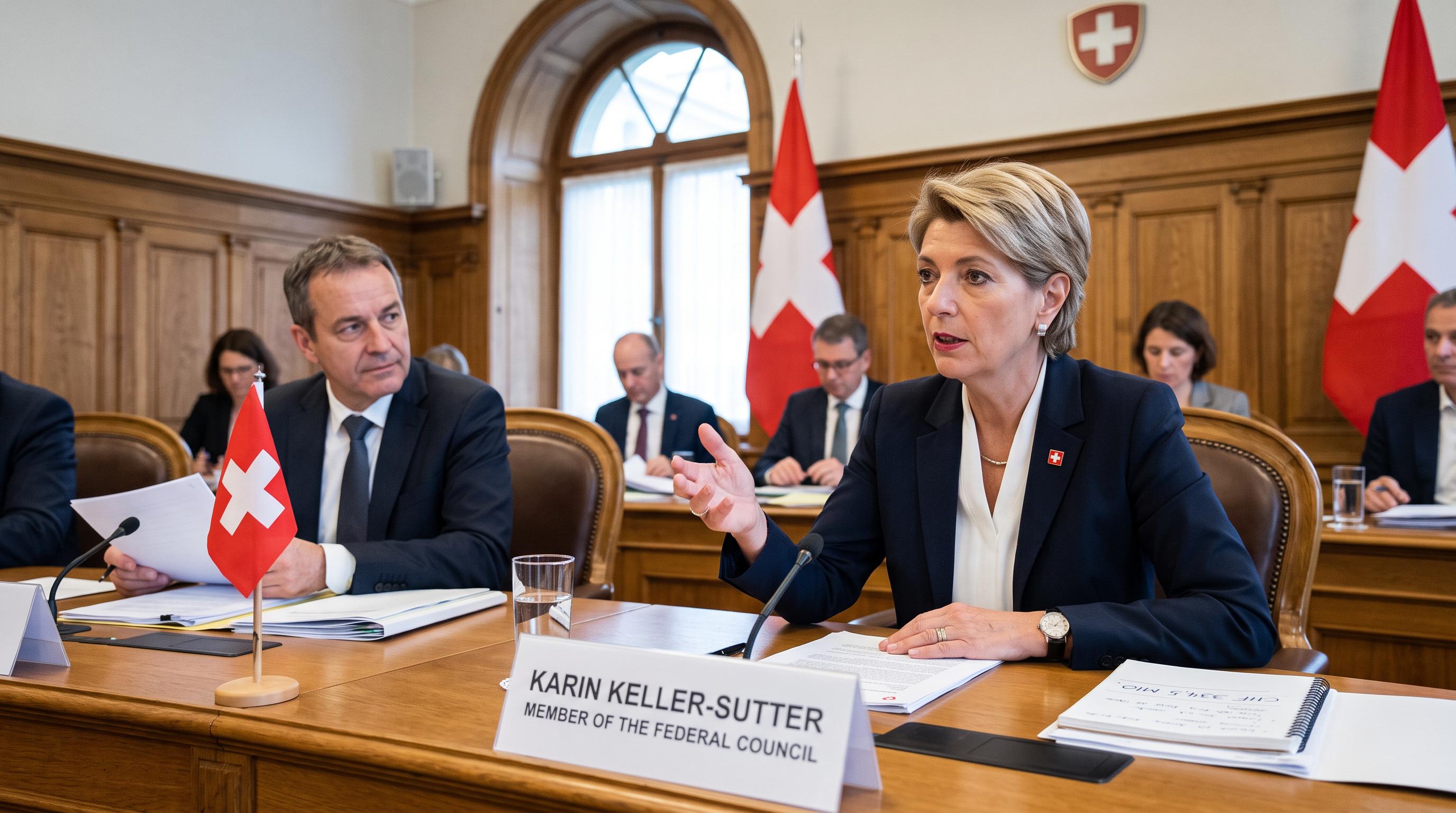
Federal Council Puts CHF 334.5 Million Behind Integration
CHF 334.5 million is now on the table for integration programmes covering 2028 to 2032. The Federal Council says Switzerland should commit more resources to helping foreign residents build language skills, enter education and find work. The request is substantially higher than the CHF 248.8 million distributed to cantons for comparable programmes between 2024 and 2027.
The proposal places integration spending firmly within Switzerland’s wider immigration policy. The country admits foreign workers, families and other residents through different channels, while cantons and municipalities manage much of the practical contact with newcomers. Federal funding helps give those local programmes a common financial base.
The government’s argument is economic as well as social. It says people who integrate successfully are more likely to work and support themselves, reducing pressure on social services. “Successful integration comes at a cost,” the Federal Council said. It added that the cost of inadequate integration is higher.
Parliament will ultimately decide whether to approve the requested framework. The debate will focus on the size of the increase, the results delivered by existing programmes and the balance between federal funding and cantonal responsibility. The proposal also requires cantons to maintain their commitment, since their contribution must be at least equal to the federal share.
Language Courses Anchor the Integration Plan
Language support will take a leading place in the proposed package. The Federal Council says the funds will be used primarily for language courses, information and counselling services, and pathways into education and the labour market. These are practical interventions that affect whether newcomers can communicate with schools, employers, public agencies and health services.
The government points to evidence that subsidised language training is already producing measurable results. After five years, nearly half of immigrants who initially had only basic knowledge of a national language have acquired advanced skills. That result is slightly above the European Union average, according to the assessment cited by the authorities.
Participation is also comparatively strong. Sixty-one percent of immigrants reported that they had taken part in language training. The Federal Council attributes much of this performance to access to subsidised courses. The new funding request would give cantons more capacity to maintain that access and connect language learning with other integration measures.
The proposal does not set out a single national course model in the material available. Switzerland’s federal structure leaves cantons with a significant role in delivery, which means programmes can reflect local labour markets and language regions. It also creates a continuing need to measure whether funding reaches residents who face the greatest barriers, including people with limited schooling or weak access to public information.
The Plan Links Integration to Jobs and Skills
Immigrants in Switzerland have an employment rate of 77 percent. The Federal Council says that figure is among the highest in the OECD, presenting labour market participation as a central measure of how integration is performing. Nearly half of immigrants hold highly skilled jobs, also a comparatively high international share.
The proposed programmes aim to strengthen the systems that help people reach work and remain there. Funding can support counselling, information, education and links between residents and employers. Language ability is part of that process, particularly for people seeking qualifications, professional recognition or work in sectors where communication is essential.
The figures also frame the spending debate. The government says employment and financial independence can reduce reliance on social services, making integration funding an investment in public finances. That claim does not remove the need for scrutiny. Employment rates alone do not show whether people are working in jobs matching their qualifications, earning enough to support a household or progressing after entering the labour market.
The Federal Council’s case therefore rests on both participation and programme quality. Parliament and the cantons will need to assess whether the additional funds improve access to education and stable employment, rather than simply expand the number of services available.
Cantons Face Their Own Bill
Cantons would have to match the federal contribution at a minimum. That requirement keeps integration a shared responsibility rather than a programme financed solely from Bern. Cantonal authorities already run many of the services that residents encounter directly, including language courses, counselling and support connected to education and employment.
The arrangement reflects Switzerland’s political and administrative structure. Local conditions vary across the country’s language regions, urban centres and rural areas. A canton with a large service economy may emphasise professional language skills and employer links, while another may prioritise basic language access, schooling support or guidance through local institutions. The source material does not identify individual cantonal allocations or regional spending differences.
The matching requirement will also shape the political discussion. Cantons must find at least an equivalent amount of their own funding if they want to meet the federal programme’s objectives. That can strengthen local ownership, while placing additional pressure on cantonal budgets and political priorities.
The Federal Council has not presented the request as a stand-alone immigration measure. It is part of a broader approach in which people already living in Switzerland are expected to gain the language, educational and employment access needed to participate in society. The details of implementation will determine how consistently that approach works across the country.
Parliament Will Weigh Cost Against Results
The proposed increase will test how Switzerland measures value in integration spending. The Federal Council says the existing approach is working, citing a 77 percent immigrant employment rate, strong participation in language courses and progress from basic to advanced language skills. Those results provide the government with a basis for requesting more money through 2032.
The political argument will centre on accountability as much as principle. Supporters can point to the costs avoided when residents find work, gain financial independence and use public services with greater confidence. Critics of higher public spending are likely to press for clearer evidence that each additional franc produces better outcomes and that cantonal programmes do not duplicate one another. The available government statement does not identify specific parliamentary opponents or parties, so the positions of individual groups cannot yet be attributed.
The proposal also arrives as Switzerland continues to manage the practical consequences of immigration across its labour market, schools and public services. Integration programmes cannot determine migration levels on their own, but they influence how effectively people already in the country participate in economic and civic life.
If Parliament approves the framework, the next stage will be delivery and measurement. Language progression, access to education, employment quality and reduced dependence on social assistance will be the indicators that determine whether the additional CHF 85.7 million over the previous funding period delivers the return the Federal Council promises.