disinformation
More than half of people in Switzerland worry about disinformation, study finds
A University of Zurich study found that 56.5% of people in Switzerland consider fake news a major social problem, while more than half regularly encounter misleading content. The study also reports declining diversity in Swiss news coverage.
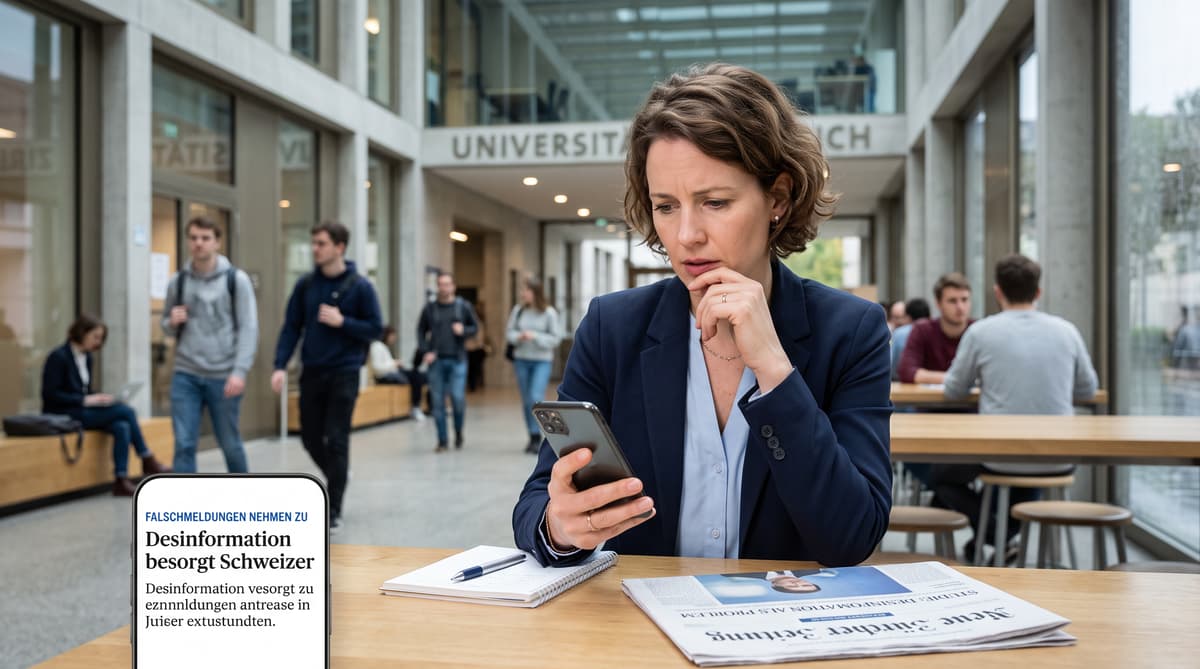
More than half of people in Switzerland regularly encounter misleading content, and 56.5% consider fake news a major social problem. The findings come from the Research Centre for the Public Sphere and Society (fög) at the University of Zurich, whose 2026 Quality of the Media Yearbook was published on Monday. The share concerned about fake news is significantly higher than it was five years ago.
The study points to social media, video platforms and AI chatbots as common places where people meet misleading material. It also finds that the quality of Swiss news media remained stable in 2025, even as diversity declined. Those trends put the reach and range of reliable reporting in focus: the fög identifies consuming quality media as the most effective protection against disinformation.
The findings arrive as Swiss media organisations face competition for audiences and advertising revenue from technology platforms. The yearbook connects public access to news with wider concerns about conspiracy theories and the changing shape of Swiss journalism.
Trace Where Misleading Content Spreads
Social media, video platforms and AI chatbots are prominent routes through which respondents encounter misleading content. More than half of those surveyed said they regularly come across it. The fög also warns that social platforms offer no protective effect against disinformation: people who get their information exclusively through TikTok or Instagram are just as susceptible to conspiracy theories as people who consume no news at all.
The researchers point to quality media as the most effective protection. That finding puts emphasis on more than simply being online or seeing a steady stream of posts. The study links vulnerability to how people keep up with current affairs and where they get their information.
The fög’s 2026 yearbook describes conspiracy theories as a growing risk, particularly for people who are “news-deprived”. Its definition covers those who do not follow current affairs and those who gather information in a piecemeal way through social media. The study’s findings place trusted news access at the centre of Switzerland’s response to disinformation.
Expose News Gaps and Repeated Coverage
The fög classifies 42% of respondents as “news-deprived”. That includes people who do not keep up with current affairs and people who pick up information in fragments through social media. The study says this group is particularly susceptible to conspiracy theories, which it describes as a growing risk.
The yearbook also records a narrowing of diversity in Swiss news coverage. Overall media quality remained stable in 2025, but nearly one in three articles in the German-speaking press appeared in several publications. In national political reporting, the share was 44.7%.
The figures describe two pressures on the public sphere: some people have limited engagement with current affairs, while coverage across multiple publications is increasingly repeated. The study does not treat the overall quality measure as having fallen, but its findings show that stable quality can coexist with reduced diversity. For readers, the results underline the importance of a varied news offer and of following reporting beyond isolated posts or snippets.
Back Public Media as Revenue Shifts
Public broadcasting retains broad public backing as Swiss media revenues face pressure. The study found that 57.7% of respondents consider the Swiss Broadcasting Corporation important or very important. Ahead of the corporation’s licence renewal in 2029, respondents expect it to provide a comprehensive offer covering news, education, culture, sport and entertainment.
At the same time, the fög says technology platforms siphon off up to CHF 2.5 billion in Swiss advertising revenue each year. Revenue for domestic media stood at CHF 1.94 billion. The researchers are calling for counter-measures, including media vouchers for young adults.
The findings connect the debate over disinformation with the structure of the Swiss media market. The fög identifies quality media as the strongest protection against misleading content, while its yearbook records declining diversity and financial strain on domestic outlets. Public support for a broad service offer and proposed help for young adults sit alongside the approaching 2029 licence renewal as issues shaping Switzerland’s media landscape.