integration
Swiss MPs propose integration courses covering domestic-violence law
Swiss MPs are proposing compulsory integration courses for new arrivals that would include instruction on Swiss values and laws concerning domestic violence. Supporters say the courses could help prevent abuse, while the proposal raises questions about integration policy and enforcement.
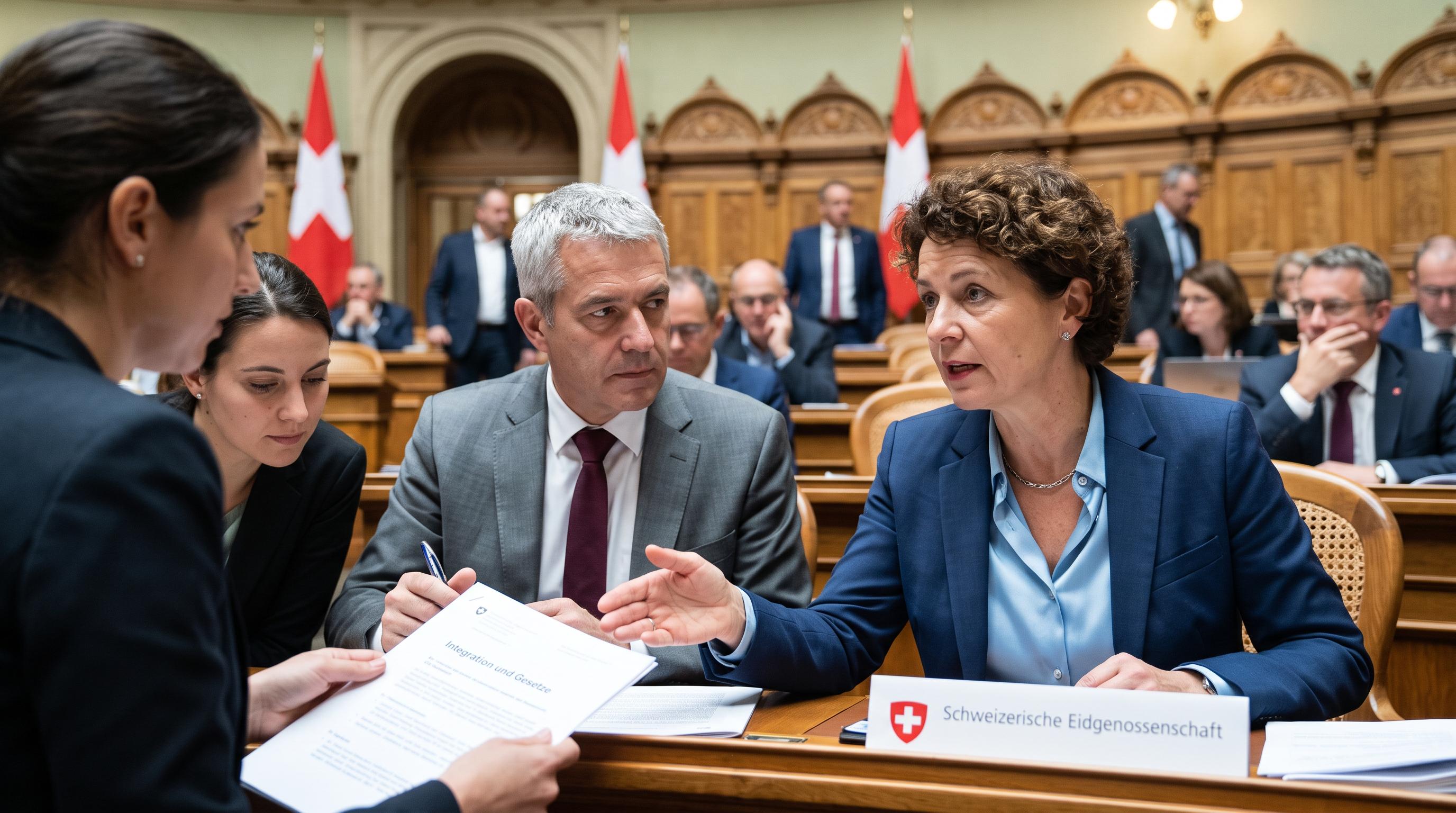
Swiss MPs Put Domestic Violence on the Integration Agenda
Swiss MPs want compulsory integration courses to address domestic violence before abuse occurs. The proposal would require new arrivals to attend classes on what politicians describe as Swiss values, alongside instruction on laws governing domestic violence. Supporters say clearer information about prohibited conduct, victims’ rights and the country’s legal system could help prevent abuse in households across Switzerland.
The initiative places domestic violence inside a wider integration debate. Switzerland already uses integration measures to familiarise newcomers with the country’s languages, institutions and social expectations. The proposed addition would give legal protections and responsibilities a more prominent place in that process.
The source article does not identify the MPs behind the proposal, the parliamentary chamber involved or the timetable for a vote. It also gives no details about the length of the courses, the languages in which they would be offered or the consequences for people who did not attend. Those details will determine whether the plan becomes a practical public information measure or a broader requirement attached to residence and integration policy.
Build a Course That Works Across Cantons
The proposed classes would teach newcomers how Swiss law treats domestic violence. The source frames the plan around prevention through information. That could include explaining that violence in the home is a matter for the authorities, outlining legal protections and directing victims or witnesses towards help. The available report does not list a curriculum, so it remains unclear whether the lessons would cover criminal law, emergency services, protection orders, counselling or the role of cantonal authorities.
Switzerland’s federal structure would add practical complexity. Integration programmes are delivered through cantons and municipalities, while criminal law and policing operate within a national legal framework alongside cantonal responsibilities. Any nationwide course would need consistent legal content while remaining accessible in Switzerland’s linguistic regions.
Language will also shape the proposal’s reach. New arrivals do not form a single group, and a course that relies on one national language could miss people with limited German, French, Italian or Romansh. Interpreters, translated materials and confidential referral channels would affect whether participants can understand the rules and seek assistance safely.
Set Clear Rules for Attendance and Protection
Compulsory attendance would turn a prevention message into an integration obligation. That raises questions about who would be covered. The source refers to “new arrivals”, but does not say whether the proposal would apply to refugees, recognised residents, family members, students, workers or people arriving through other migration routes. It also does not explain whether existing integration programmes would be expanded or whether a separate course would be created.
Enforcement would be central. Policymakers would have to decide which authority records attendance, how exemptions work and whether non-compliance affects a person’s residence status or access to other services. None of those mechanisms is specified in the available report.
The policy would also need safeguards for people experiencing abuse. A classroom can provide a route to information, but participants may not be able to speak openly in front of partners or relatives. Private access to advisers, confidential interpretation and clear links to cantonal support services would matter if the course is intended to help victims as well as explain legal duties to potential perpetrators. The proposal’s supporters have stated its preventive aim, while the operational design remains to be set out.
Watch Parliament for the Details
The proposal now moves the debate from principle to implementation. Supporters will need to show how compulsory instruction can complement Switzerland’s existing response to domestic violence, including police intervention, victim support and prosecution. A course cannot replace emergency protection or specialist services, and the source provides no evidence yet about its likely effect on abuse rates.
Parliamentary scrutiny is likely to focus on the legal basis, cost, federal responsibilities and treatment of different categories of newcomers. The wording of “Swiss values” will also receive attention. If the phrase is left broad, courses could become uneven across cantons or be perceived as cultural testing rather than practical civic education. A precise curriculum centred on rights, duties and available help would give the proposal a clearer public purpose.
As reported on 24 September 2026, the initiative remains a political push rather than an adopted national requirement. The next meaningful steps will be the publication of the proposal’s sponsors, the text of any motion or bill and details on delivery and enforcement. Until then, the plan’s significance lies in the decision to place domestic violence within Switzerland’s formal integration conversation.