Business
Lindt & Sprüngli replaces CEO after profit warnings
Lindt & Sprüngli has dismissed CEO Adalbert Lechner after two profit warnings within a year. Former chief executive Dieter Weisskopf will lead the chocolate maker on an interim basis while a permanent successor is sought.
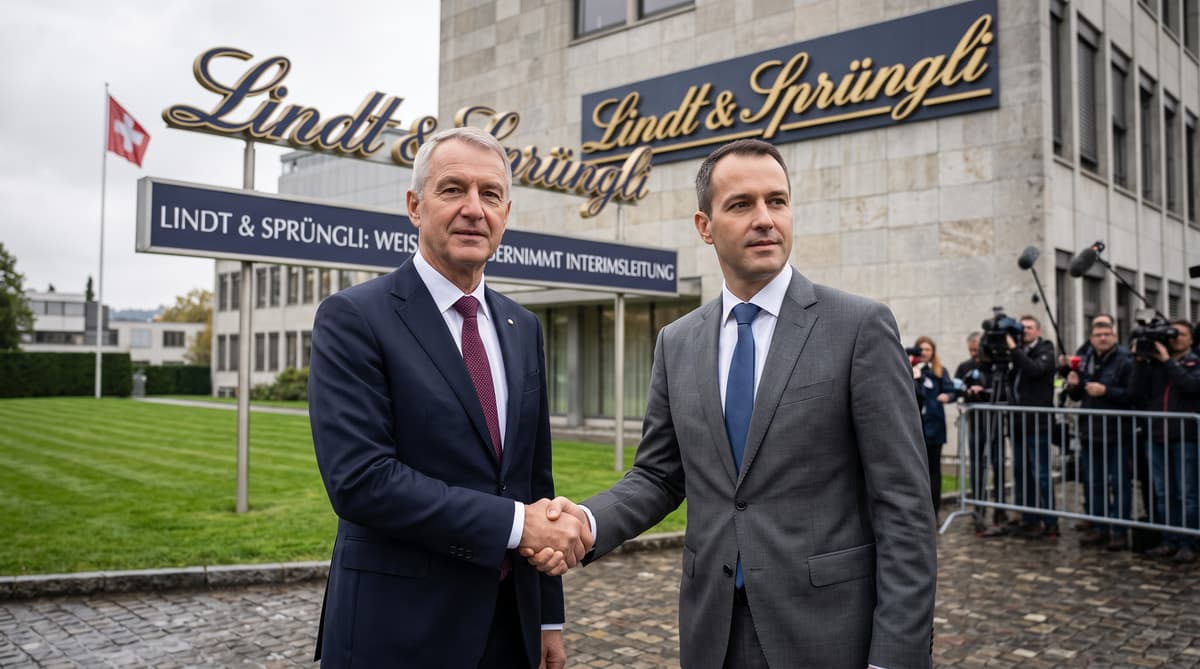
Two profit warnings in a year have cost Adalbert Lechner his job at Lindt & Sprüngli. The Kilchberg-based chocolate maker announced on Monday that Dieter Weisskopf, its former group chief executive, would take over immediately on an interim basis. The board said it wanted new operational leadership to restore consistent growth and make better use of opportunities in global markets.
Lechner, 65, had spent 33 years at the Swiss company and became chief executive at the start of 2022. Weisskopf, 71, previously led the group until 2022 and had served as its chief financial officer for many years. He is also a member of the board. Lindt expects to appoint a permanent successor in the second quarter of 2027.
The change comes as the maker of Lindor chocolates and seasonal chocolate figures faces pressure on sales and its 2026 outlook. Its latest forecast cut, announced at the end of September, followed falling volumes and weaker-than-expected consumer response to higher prices in several European markets. The board has now put leadership change at the centre of its response.
Track the price squeeze
An average 11.8% price increase in the first half of 2026 coincided with a significant fall in sales volumes. Lindt had raised retail prices sharply to respond to soaring cocoa costs. Consumers in Germany, Switzerland and Britain proved more sensitive to those increases than the company had expected.
The pricing strain has put a familiar Swiss premium-brand challenge into sharp focus: maintaining the value associated with high-end chocolate while keeping products within reach for shoppers. Lindt began offering some products at lower prices again during the summer and has also turned to smaller pack sizes. Those adjustments give the group options to address affordability without abandoning its broad product range.
Cocoa markets have shifted since their recent peak, but the pressure on shoppers has not disappeared. Lindt’s price changes followed a period of steeply rising cocoa costs, and the company is now dealing with the effects of higher shelf prices on demand. Its next steps will be watched by retailers and consumers across Switzerland, where Lindt remains a prominent chocolate brand and a major part of the country’s food-industry profile.
Rebuild growth in Europe
Lindt cut its 2026 organic growth forecast to 0% to 2%, down from an earlier target of 6% to 8%. The company lowered its outlook for the second time this year at the end of September. The warning triggered a sharp fall in Lindt shares, adding market pressure to the sales challenge.
The company attributed the difficult trading picture to more than high prices. A summer heatwave in Europe also weighed on business. Lindt has identified Germany, Switzerland and Britain as markets where consumers reacted more strongly to price increases than expected. Its business in North America and Asia, by contrast, was performing significantly better.
Weisskopf has set out a near-term priority: return the European business to growth. Lindt also plans to increase investment in its brands and improve profitability. Those aims place the interim chief executive at the intersection of short-term recovery and the search for a lasting successor. The company’s forecast revision gives shareholders and employees a clear measure of the task: recover momentum after a sharp downgrade, while balancing prices, volumes and brand investment.
Prepare for the next appointment
Lindt’s permanent CEO is not expected until the second quarter of 2027, leaving Weisskopf to steer the company through its immediate recovery effort. His experience spans finance and the group’s top job, which he held until 2022. He will also remain a member of the board while serving as interim chief executive.
Leadership changes are also under way in Germany. Country manager Michal Spiller is leaving after 23 years with the company. Ali Kulein, currently head of Lindt’s Austrian division, will take over the German role. Fabian Reinhardt, the group’s global sales director, will succeed Kulein in Austria. Both appointments take effect on October 26.
The appointments align with the company’s stated focus on improving performance in Europe, while its North American and Asian businesses are doing better. For Swiss employees, retailers and investors, the coming months will bring a change in senior leadership alongside a reset of the growth outlook. Lindt’s immediate priorities are clear: revive European sales, strengthen its brands and restore profitability as it prepares to choose a permanent chief executive.