Climate
Early snowfall raises avalanche and permafrost concerns in Swiss mountains
Early snow settling on ground warmed by the exceptionally hot summer can increase avalanche danger, while an early continuous snowpack may also affect high-altitude permafrost, the WSL Institute for Snow and Avalanche Research warns.
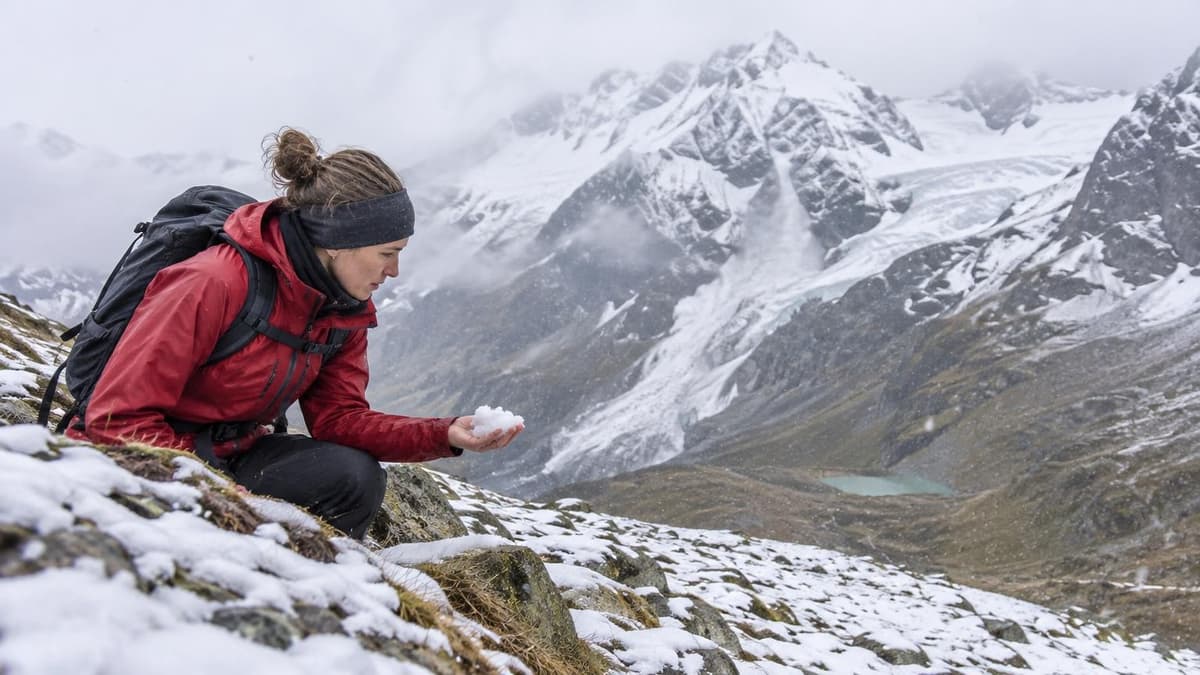
Early snow is arriving on ground still carrying the heat of an exceptionally hot summer. The WSL Institute for Snow and Avalanche Research says that combination can increase avalanche danger in Swiss mountain regions. The warning links the timing of snowfall to the condition of the ground beneath it: snow settling early after a hot summer can create additional concern for the season ahead.
The same early cover raises a separate question for high-altitude terrain. If snow forms a continuous blanket early, it may affect permafrost, the persistently frozen ground found at high elevations. The institute’s warning therefore points to two concerns tied to the same change in mountain conditions: avalanche danger and the response of permafrost to an early snowpack.
For Switzerland’s Alpine regions, the timing of the first sustained snow matters alongside the summer that came before it.
Read the Avalanche Warning
Snow settling on summer-warmed ground can increase avalanche danger, the WSL institute warns. The concern is tied to the sequence of conditions: an exceptionally hot summer leaves the ground warm, then early snowfall covers it. The institute identifies that combination as a reason for increased risk in mountain regions.
The warning puts the arrival of snow in context. Early snowfall does not arrive on an unchanged landscape; it settles over ground that has just experienced exceptional summer heat. That matters to the assessment of avalanche danger, even before the winter snow season is fully established.
The institute’s message is a caution about conditions, not a forecast for a particular slope or valley. Across the Swiss mountains, the relevant signal is the early snow settling over ground warmed by summer. That combination is the basis for the avalanche concern highlighted in the warning.
Watch the High-Altitude Ground
An early, continuous snowpack may also affect high-altitude permafrost. The WSL Institute for Snow and Avalanche Research flags this as a second concern alongside avalanche danger. The warning connects the issue to the timing and continuity of the snow cover: an early blanket across high ground may influence the permafrost below.
That makes the first sustained snow more than a seasonal marker. In the institute’s assessment, it has potential implications for both snow-related danger and frozen ground at altitude. These are distinct concerns, but they emerge from the same early shift in mountain conditions after an exceptionally hot summer.
The permafrost concern applies to high-altitude terrain, where persistently frozen ground is part of the Alpine environment. The warning draws attention to how an early, continuous cover may affect that ground as the season changes.
Keep Both Risks in View
One early snowpack brings two concerns into focus: avalanche danger and permafrost. The WSL Institute for Snow and Avalanche Research links the avalanche risk to snow settling on ground warmed by an exceptionally hot summer. It also warns that an early continuous snow cover may affect permafrost at high altitude.
Together, those warnings put the transition from summer to winter at the centre of the Alpine picture. The condition of the ground after summer heat matters as snow arrives, and the spread of a continuous snowpack matters for frozen ground at elevation. The institute’s alert highlights how early-season conditions can carry consequences beyond the arrival of winter weather.
For Swiss mountain regions, the key points are the summer-warmed ground beneath early snow and the possible effect of continuous cover on high-altitude permafrost. Both concerns stem from the timing of snowfall after an exceptionally hot summer.