Crans-Montana
Earlier fire warning puts Crans-Montana bar owner under scrutiny
A WhatsApp message in which the owner of the Crans-Montana bar Le Constellation warned staff that sparklers could cause a fire has become part of the criminal investigation into the venue’s fatal blaze. Prosecutors will have to assess whether the warning affects potential criminal responsibility for the tragedy.
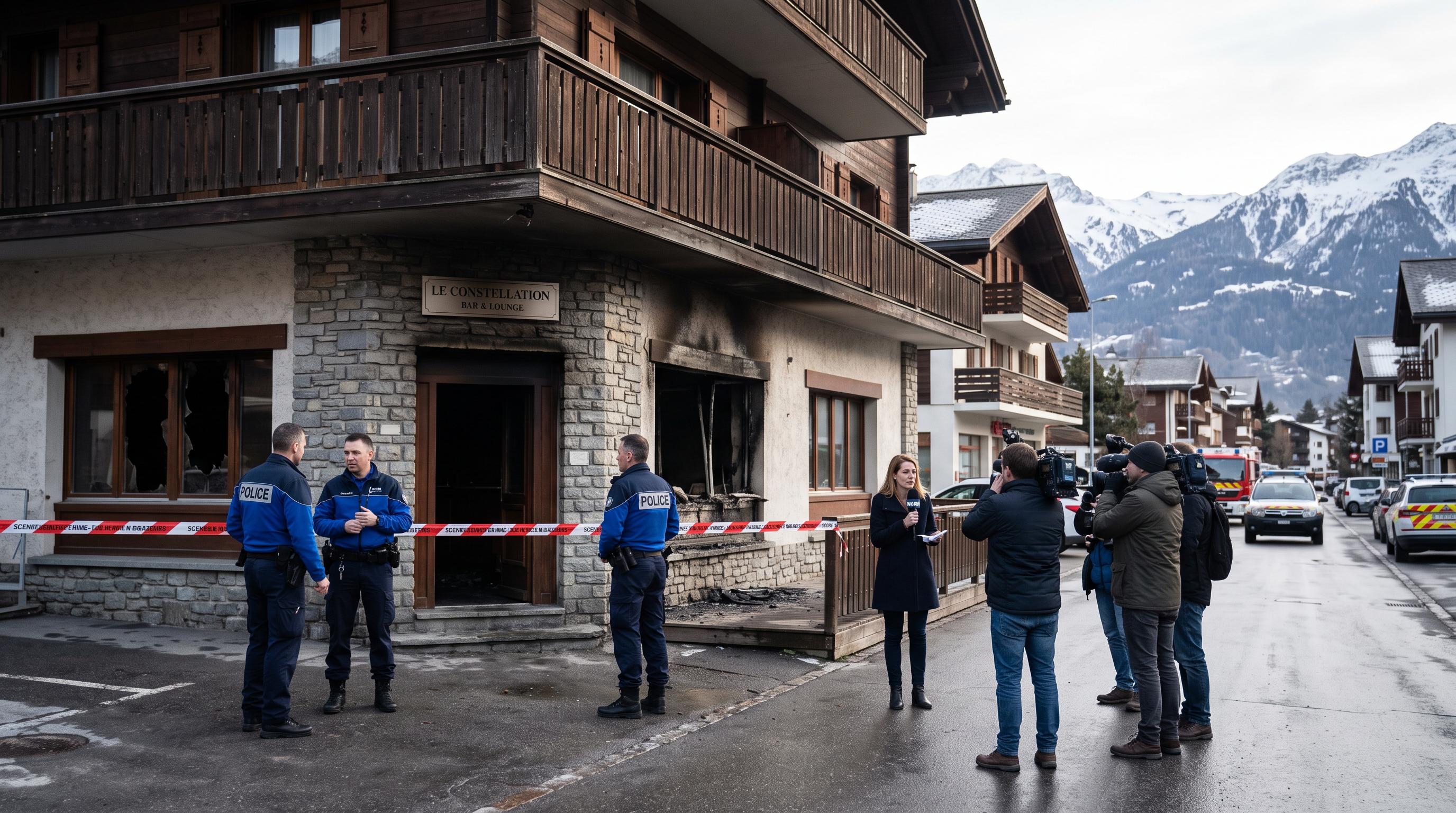
A warning message reopens the fire case
A written warning from November 12, 2019 now sits inside the criminal case surrounding the fatal fire at Le Constellation in Crans-Montana. Jacques Moretti, the Valais bar's owner, told employees not to hand sparklers to guests after one customer left a lit device unattended on a table. He warned that a sparkler falling onto the floor or sofas could set the venue alight.
The message, obtained by Swiss public broadcaster RTS, has become important evidence for prosecutors examining what the owners knew before the blaze on January 1, 2020. A second message from Moretti's wife, Jessica, repeated the concern. Staff, she wrote, should remain with guests until the sparkler had gone out and watch for the foam ceiling catching fire.
The messages do not establish criminal liability by themselves. Prosecutors must determine whether they show ordinary concern about property and fire safety, or awareness of a risk to human life that the owners nevertheless accepted. That distinction could reshape the case against the couple and the families' pursuit of accountability.
Messages build a timeline of sparkler risk
The first warning came six weeks before the January 1, 2020 blaze. In his WhatsApp message, Jacques Moretti described a sparkler left alone on a table and linked the danger directly to the bar's furnishings. His wife sent a similar instruction about a month later, telling employees to supervise customers closely and to prevent sparks from reaching the foam on the ceiling.
A server's recorded warning on January 1 added another piece to the timeline. In video released by RTS, the employee told a group of young customers who had ordered bottles with sparklers to watch out for the foam. The sequence gives investigators a record of repeated concern inside the venue, from management messages to frontline staff instructions.
The prosecution will have to test the circumstances behind each warning. It must establish who knew what, when instructions were issued, how staff applied them, and whether the precautions addressed the danger adequately. The evidence may help define whether the owners took reasonable steps to control a known hazard or tolerated a risk that extended beyond damage to the premises.
Lawyers clash over conditional intent
Victims' lawyers want the warnings to influence the legal classification of the case. They argue that the Morettis understood the danger posed by sparklers and continued to accept it. On that basis, they say prosecutors should consider murder with conditional intent rather than negligent homicide.
The distinction has major consequences under Swiss criminal law. The report says the couple currently faces a possible sentence of less than five years. A charge of murder with conditional intent could expose them to a prison sentence of up to 20 years. The issue therefore reaches beyond the wording of old staff messages. It concerns the level of risk the owners allegedly foresaw and their response to it.
The Morettis' lawyers reject the families' interpretation. Yaël Hayat, Nicola Meier and Patrick Michod said they themselves provided the messages to prosecutors. They argue the texts demonstrate awareness of a general business risk, such as fire, damage or property loss, rather than acceptance of anyone's death. Their position is that treating the warnings as evidence of conditional intent would wrongly equate concern with intent.
Valais prosecutors weigh the next charges
The Valais prosecution now faces a decision that could define the next stage of the investigation. Prosecutors must assess the WhatsApp messages alongside the video, witness accounts and other material in the file. They will need to determine whether the warnings were effective safety instructions, evidence of an unresolved hazard, or proof that the owners accepted a fatal risk.
No decision to upgrade the charges has been reported. The prosecutors have until the end of the preliminary investigation to decide whether the case remains focused on negligent homicide or moves toward murder with conditional intent. The Morettis also face a psychiatric assessment, according to a separate Swissinfo report.
For Crans-Montana and other Swiss resort communities, the case places attention on a familiar hospitality practice: celebratory sparklers used around upholstered interiors and decorative ceilings. The legal outcome will turn on the evidence in this case, including the meaning of the owners' warnings and the steps taken after them. Until prosecutors complete that assessment, the messages remain contested evidence rather than a final finding of responsibility.