Agriculture
Zurich and Schaffhausen Farmers Launch Online Fodder Exchange to Combat Drought
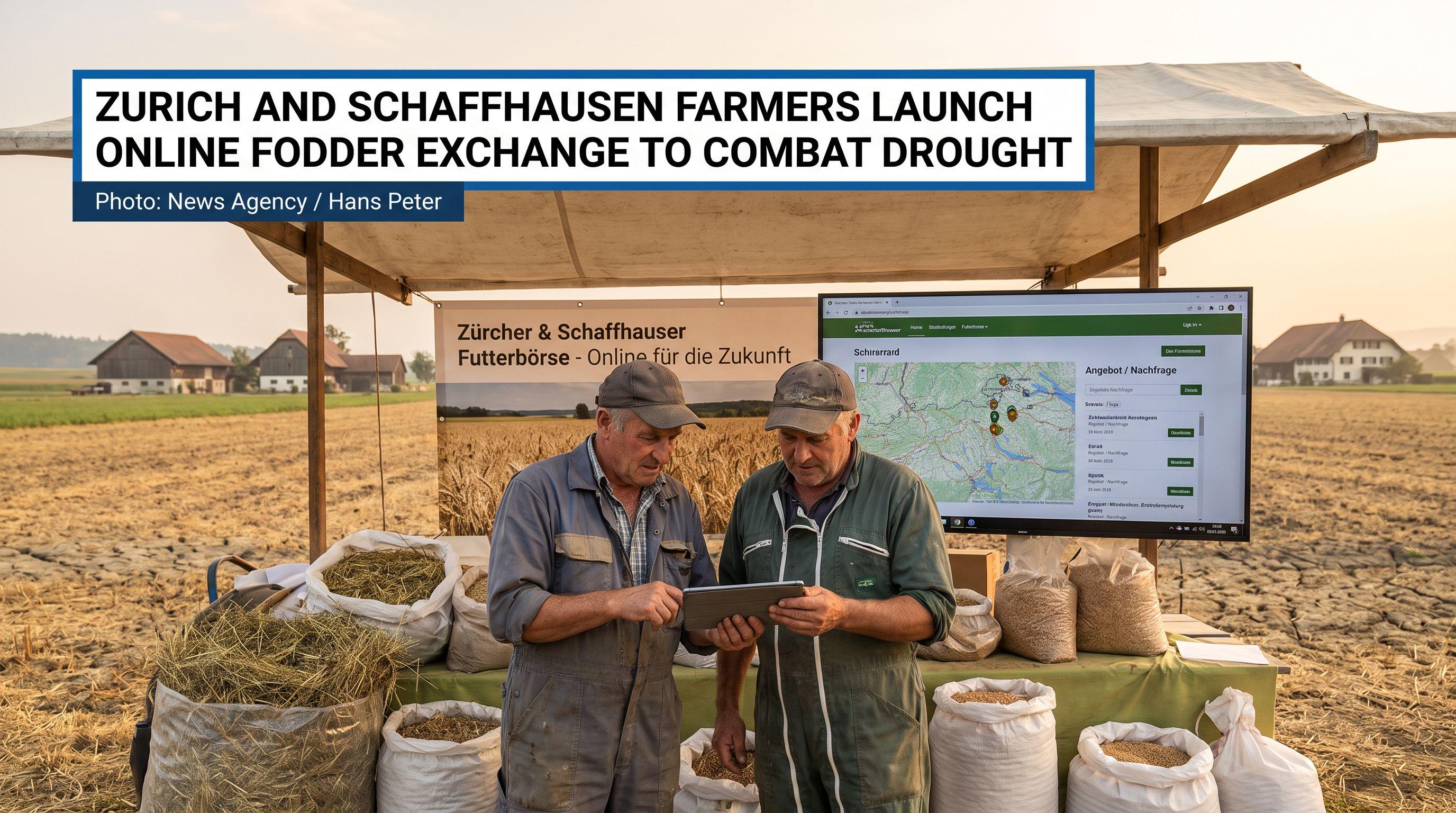
As drought withers pastures, farmers in Zurich and Schaffhausen are launching an online marketplace for animal feed. The initiative aims to connect arable farms with livestock farms in need of fodder, preventing the premature slaughter of cattle and addressing the feed shortages caused by the extreme weather.
Digital Lifeline Amidst the Dust
Switzerland’s agricultural heartland is confronting a brutal reality as the Zurich and Schaffhausen Farmers’ Associations launch a radical digital intervention to save their livestock. This is not a drill; it is a desperate pivot to technology as traditional grazing lands wither into dust. The newly unveiled online fodder exchange serves as a critical marketplace, connecting desperate livestock owners with arable farmers who still have the capacity to produce feed. As the sun relentlessly bakes the soil, this platform aims to prevent a catastrophic wave of premature slaughters. The initiative transforms how Swiss agriculture operates, replacing informal handshakes with a streamlined digital infrastructure designed to move tons of maize and hay across cantonal borders with unprecedented speed. This is a bold attempt to outpace a climate that is changing faster than the seasons themselves.
Winter Reserves Vanish in Summer Heat
A staggering number of farmers are already dipping into their winter hay stocks, a move that signals a looming crisis for the coming months. Normally reserved for the frost of January, these precious reserves are being consumed now because the meadows have simply stopped growing. The math is simple and terrifying: if the hay is eaten in August, there will be nothing left for December. This forced consumption puts every dairy farm in the region on a collision course with bankruptcy or the abattoir. Without the intervention of the fodder exchange, the sight of cattle trucks heading to slaughterhouses would become a daily occurrence across Zurich. The associations are sounding the alarm that the current water shortage is not a temporary blip but a systemic threat that has been suffocating the landscape for weeks with no sign of relief.
Strategic Alliances Forge New Supply Chains
Innovation is surging as arable farms pivot their entire production cycles to support their livestock-heavy neighbors. Under this new exchange, farms with low livestock counts are being incentivized to plant 'intermediate fodder'—specifically grain maize—to be sold as feed maize. This is a calculated strategic shift. Many farmers have expressed a bold willingness to convert their fields, provided that the exchange guarantees purchase terms and clarifies the logistical hurdles. By clarifying these terms upfront, the Zurich and Schaffhausen associations are removing the friction that usually hampers emergency agricultural responses. This isn't just about charity; it is about creating a resilient, localized economy where the survival of the dairy sector is inextricably linked to the output of the grain sector. It is a masterclass in regional cooperation under extreme environmental pressure.
A Future Defined by Water Scarcity
The forecast remains grim: there is no sign of prolonged rainfall, forcing a permanent rethink of Swiss food security. As drought is set to remain a recurring antagonist in the coming years, the fodder exchange is more than a temporary fix; it is a blueprint for the future of Alpine farming. The Zurich Farmers’ Association is not just reacting to a dry spell; they are building a permanent defense mechanism against a climate that no longer follows the old rules. This digital marketplace represents a shift toward a more agile, responsive agricultural model that can survive the 'new normal' of European summers. The success of this platform in Zurich and Schaffhausen will likely serve as a litmus test for the rest of Switzerland. As the water levels in lakes and rivers continue to plummet, the ability to move resources efficiently across the digital landscape may be the only thing keeping the Swiss agricultural tradition alive.