Switzerland
What changes in Switzerland this October: money-laundering rules and airport delays
Switzerland is preparing a series of changes for October, including new anti-money-laundering rules and longer airport waiting times. The measures will affect financial compliance and international travel, making them relevant to residents and visitors alike.
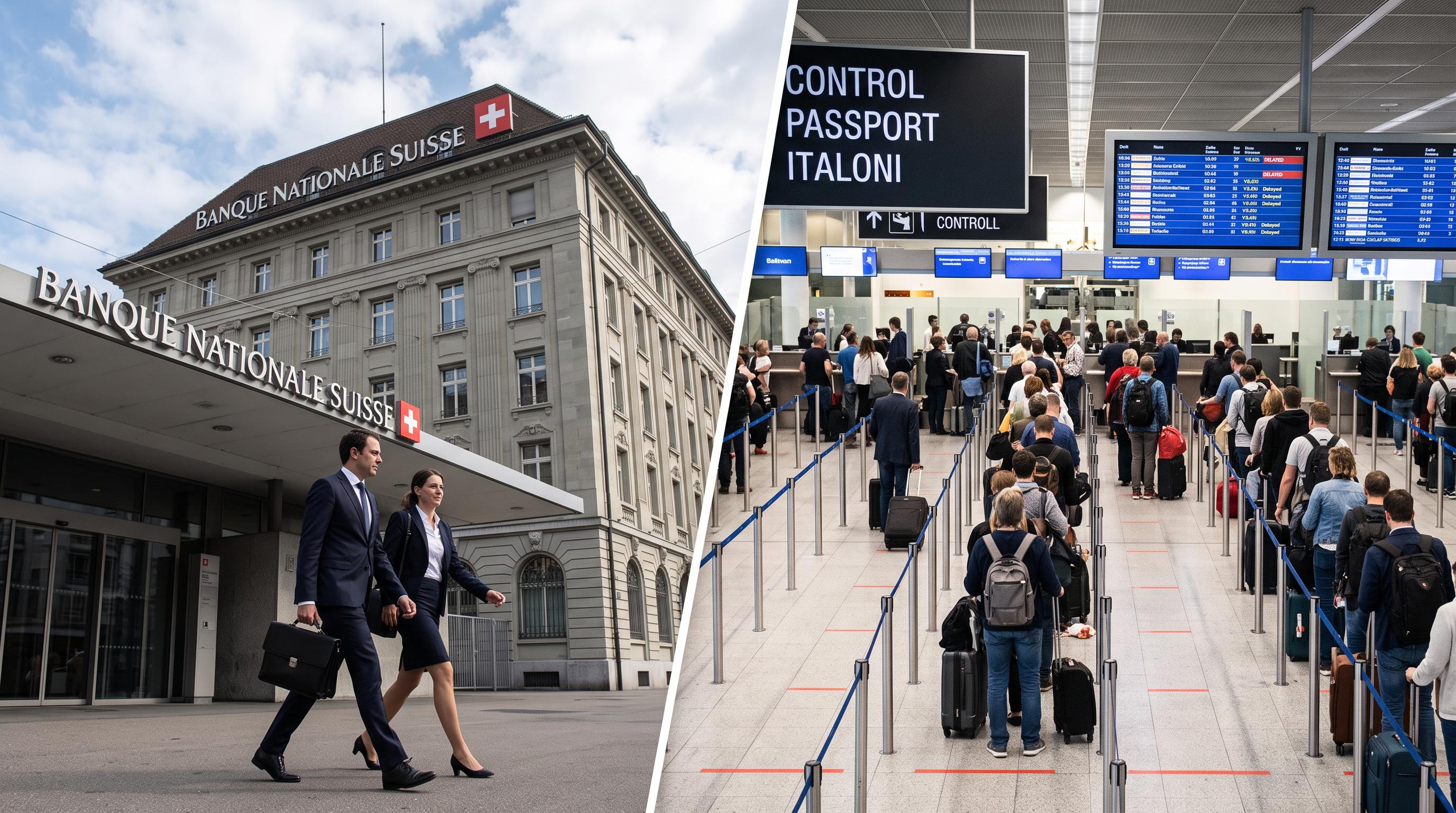
October puts compliance and travel under pressure
October brings two practical changes into focus: tighter financial controls and longer airport waits. Switzerland is preparing new anti-money-laundering rules while travellers passing through Swiss airports face disruption linked to the European Union’s Entry/Exit System, known as EES.
The measures target separate parts of daily life. The money-laundering rules will matter to financial institutions, businesses and customers dealing with regulated transactions. The airport change will be felt by international passengers, particularly those travelling through busy Swiss gateways during periods of heavy autumn traffic.
The timing gives residents and visitors little room for guesswork. The Local reported on 21 September 2026 that both changes were due in October, placing the announcement close to the start of the implementation month. Switzerland’s position at the centre of European travel makes border procedures especially relevant, even though the country is outside the European Union.
The available source confirms the direction of travel, but it does not set out the detailed compliance duties or a precise waiting-time forecast for individual airports. Travellers and affected businesses should therefore check instructions from airlines, airports, banks and the relevant authorities before the changes begin.
Banks prepare for new money-laundering rules
New anti-money-laundering legislation will change how financial compliance is handled in Switzerland. The source identifies the arrival of new rules in October, making the financial sector one of the country’s main areas of regulatory change this month.
Anti-money-laundering requirements can affect the checks institutions carry out, the information they request and the records they maintain. That makes the change relevant beyond bank compliance departments. Customers, companies and professionals who open accounts, move funds or establish business relationships may encounter additional scrutiny or updated procedures.
The supplied material does not specify which transactions, institutions or professions will face new obligations. It also does not state whether the rules introduce new reporting thresholds, identification requirements or penalties. Those details matter, particularly for smaller businesses that may need to update internal controls or seek professional advice.
For now, the confirmed point is the implementation month: October 2026. Swiss residents and companies with pending financial matters should monitor direct communications from their institutions and consult official guidance. Treating the change as a routine administrative update could leave firms working with outdated procedures once the new framework takes effect.
EES brings longer airport waits
Passengers should expect longer waits at Swiss airports as the EES changes how some travellers are processed. The Entry/Exit System is an EU border-management measure, and its introduction is expected to create delays at airports in Switzerland during October.
The system is particularly important for travellers crossing Europe’s external border. Its rollout can involve additional registration and identity checks for people covered by the scheme, increasing the time required at border-control points. Switzerland’s participation in Europe’s border arrangements means that changes connected to the EES can affect journeys through Swiss airports even when passengers are flying from or to destinations outside the European Union.
The source does not give a specific estimate for the extra time or identify which Swiss airports will face the longest queues. It does, however, warn that long waits are expected. Travellers should arrive earlier than usual, allow extra time for connecting flights and follow airport or airline instructions about documents and border procedures.
The operational impact will vary by route, passenger volume and the readiness of individual border points. October’s autumn travel demand could add pressure at already busy terminals, making preparation more useful than relying on a normal airport routine.
Check the rules before October begins
The practical response is simple: financial users should verify procedures, and passengers should build in more time. The October changes do not affect everyone in the same way. A company handling regulated payments may need to focus on compliance instructions, while a holidaymaker may only notice the new border process at the airport.
Businesses should ask their banks or compliance advisers whether account documentation, customer checks or reporting procedures will change. They should also identify transactions scheduled for October and confirm whether any additional information will be required. The supplied source does not provide a transition timetable, so organisations should avoid assuming that existing internal procedures will remain sufficient.
Travellers should check passport and travel requirements, confirm connection times and review updates from their airline and departure airport. Arriving early is especially important for passengers with tight connections, families or mobility needs. Swiss airports may publish operational advice as the rollout approaches.
The confirmed information remains limited. The Local’s report names two October changes, but it does not provide detailed legal text or airport-specific figures. Official notices will be essential for turning the broad warning into precise instructions for each traveller, bank customer and business.