innovation
Switzerland Launches Pioneering Solar Railway Project
First removable solar power facility installed on Swiss railway tracks in Neuchâtel, marking innovative approach to sustainable transport infrastructure.
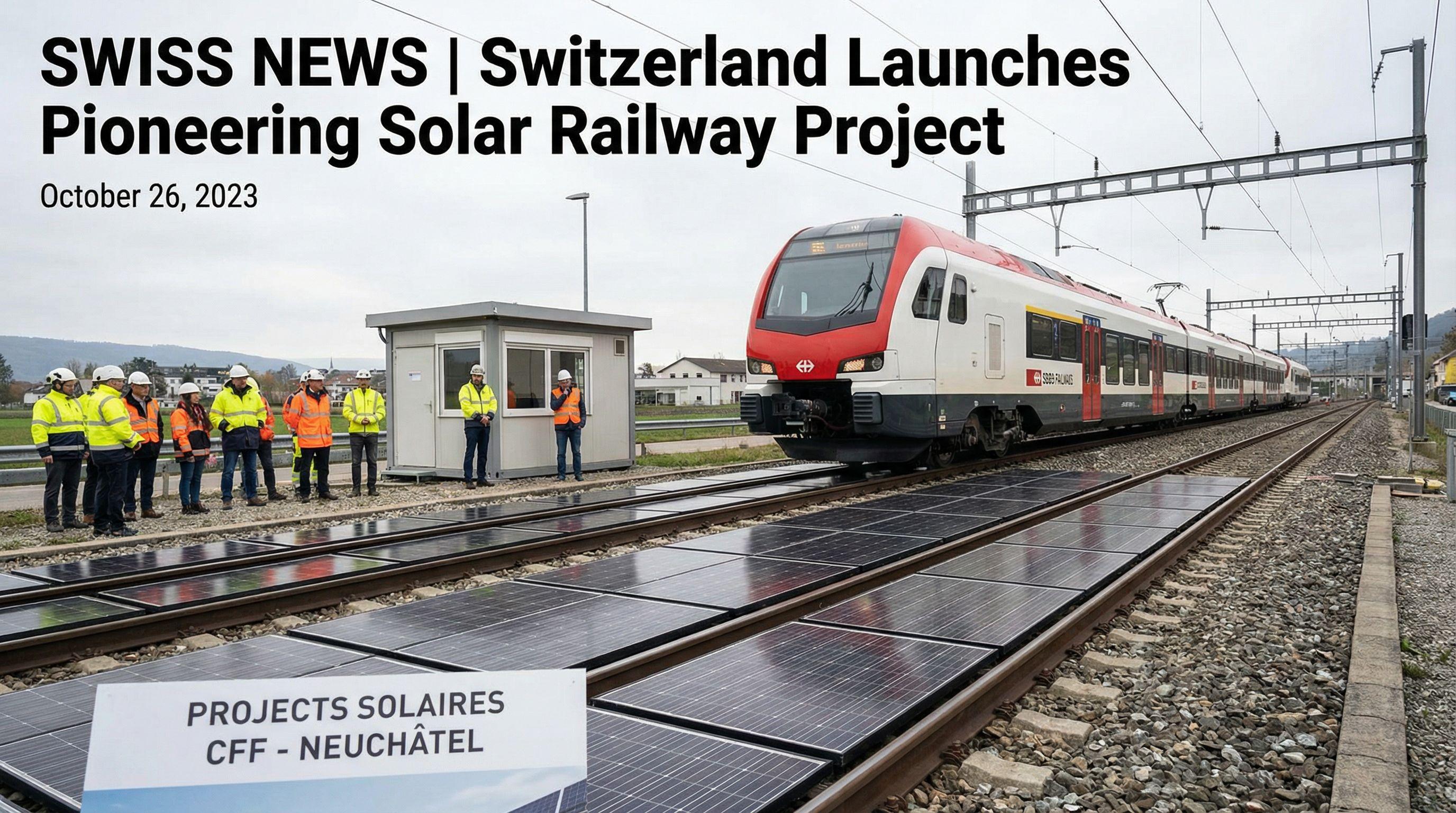
Revolutionary Solar Railway Launch
Switzerland has marked a significant milestone in sustainable transport infrastructure with the inauguration of its first removable solar power facility on railway tracks in Neuchâtel. This groundbreaking project represents a fusion of transportation and renewable energy technology, setting a new precedent for sustainable infrastructure development worldwide. The innovative installation, developed by Vaud-based start-up Sun-Ways, utilizes the previously unused space between railway tracks to generate clean, renewable solar energy while trains continue their regular operations above.
Technical Innovation and Implementation
The technical implementation of this revolutionary project showcases Swiss engineering excellence. The installation process is remarkably efficient, utilizing a specialized train from Scheuchzer that can install approximately 1,000 square meters of solar panels in just hours. The pilot project spans 100 linear metres of TransN line and features 48 solar panels. The system includes innovative cleaning mechanisms, with cylindrical brushes attached to trains ensuring the panels maintain optimal performance. The electrical connections are seamlessly integrated within the panels themselves, demonstrating attention to both safety and efficiency.
Environmental Impact and Future Potential
The potential environmental impact of this project is substantial. With Switzerland's extensive railway network of 5,000 kilometers, the theoretical capacity for solar panel installation could reach 2.5 million panels. This massive potential for renewable energy generation could significantly contribute to Switzerland's energy independence and sustainability goals. The project's innovative approach of utilizing existing infrastructure space addresses one of the key challenges in solar energy deployment - finding suitable installation locations without additional land use.
Swiss Innovation Leadership
This project reinforces Switzerland's position as a global leader in sustainable innovation and clean technology. The successful implementation of this pilot project in Neuchâtel demonstrates the country's commitment to finding creative solutions to climate challenges while maintaining its high standards of engineering excellence. The project has garnered international attention and could serve as a model for similar implementations worldwide, showcasing Swiss expertise in combining infrastructure efficiency with environmental responsibility.