Switzerland to Launch Digital Citizenship Application Process
From August 1st, the Swiss government will begin rolling out a new digital process for naturalisation applications, aiming to modernise and streamline the path to obtaining citizenship.

"What is the positive for those applying and the negatives?"
Switzerland is finally dragging its naturalization process into the 21st century. On August 1st, 2026, the Federal Council will ignite a digital revolution, replacing stacks of archaic paperwork with a streamlined online interface. This isn't just a minor update; it is a fundamental reimagining of how the Swiss state interacts with its future citizens. For decades, the path to the 'Red Passport' has been notorious for its bureaucratic density, often requiring applicants to navigate a labyrinth of local, cantonal, and federal requirements. Now, the government is slashing through the red tape. This move signals a bold commitment to E-Government, positioning Switzerland as a leader in administrative efficiency. While critics argue about the security of digital data, the momentum is undeniable. The nation is moving toward a future where becoming Swiss is defined by integration and contribution, not by one's ability to manage a physical filing cabinet.
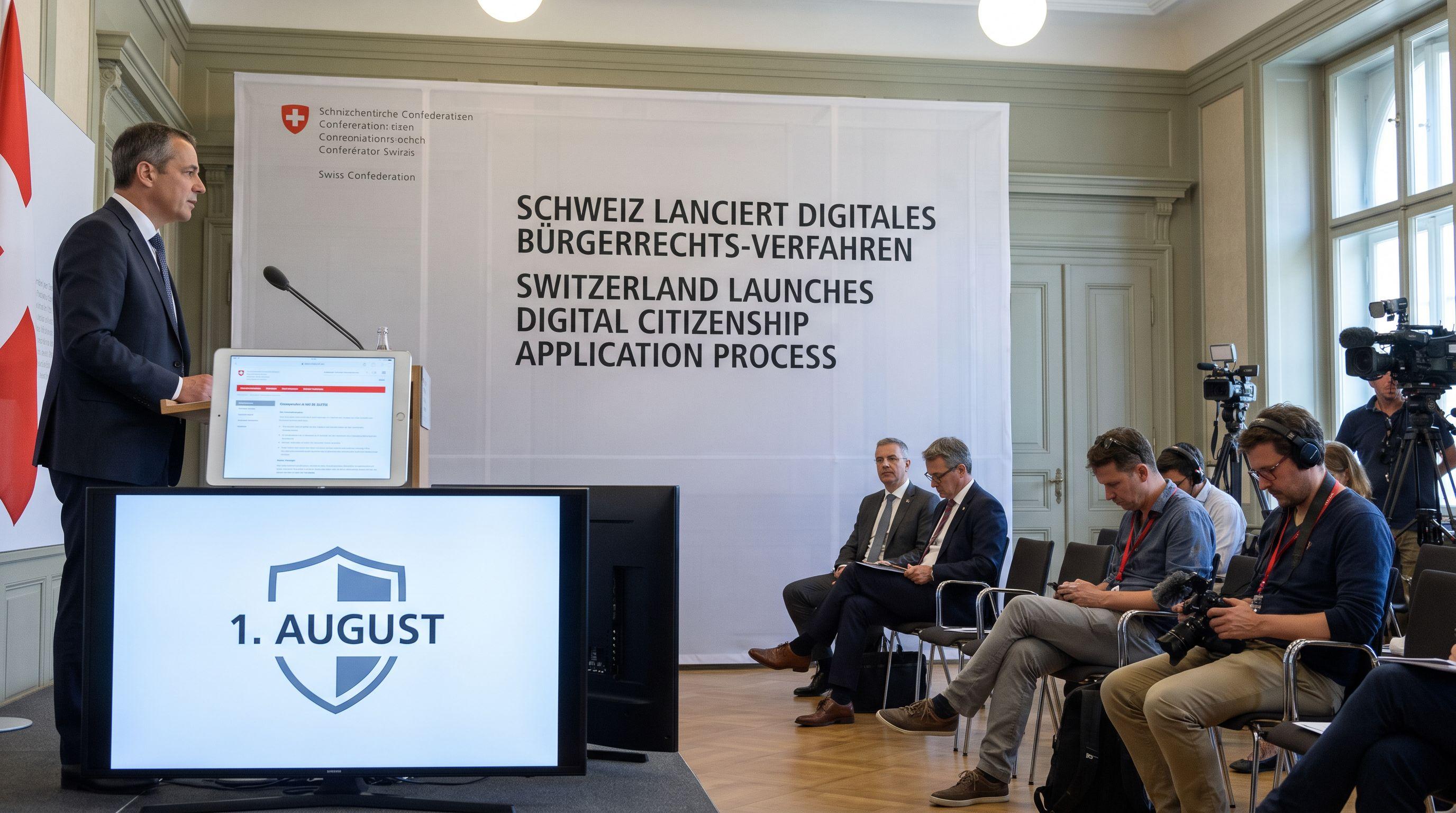
August 1st marks more than just Swiss National Day; it serves as the definitive launchpad for a new era of governance. As fireworks light up the sky, the Federal Council will simultaneously roll out the digital naturalization framework. This timing is no coincidence. It links the celebration of Swiss identity with the modernization of the very process used to acquire it. Alongside this digital leap, the nation confronts other societal shifts, including the introduction of nationwide fines for littering, proving that the Swiss state is simultaneously tightening its standards and loosening its bureaucratic grip. This dual approach emphasizes a nation that values both order and innovation. The digital rollout will initially focus on centralizing the submission of documents, ensuring that every applicant—from the tech hubs of Zurich to the valleys of Valais—has access to the same high-speed administrative engine. It is a calculated, nationwide synchronization of effort.
Efficiency is the new currency in the Swiss naturalization race. By digitalizing the application process, the government aims to slash processing times that currently stretch into years. The Federal Council's initiative targets the most significant bottleneck in the system: the manual verification of documents across three levels of government. In contrast to the old system, the new digital portal will allow for real-time tracking and instant communication between cantonal authorities and the federal office. This surge in transparency is designed to eliminate the 'black hole' of application status that has long frustrated residents. However, the transition isn't just about speed; it's about accessibility. A digital-first approach ensures that the path to citizenship remains open to a globalized workforce that expects government services to be as responsive as a private-sector app. Switzerland is not just changing its tools; it is changing its mindset to attract and retain the world's top talent.
The digital leap brings Switzerland to a critical crossroads of opportunity and scrutiny. While the benefits of speed and transparency are clear, the move raises urgent questions about the 'digital divide' and data sovereignty. As Carolyn Grossmann aptly questioned, what are the negatives for those applying? The government must now confront the challenge of ensuring that less tech-savvy residents are not left behind in this administrative sprint. Furthermore, the security of personal data remains a paramount concern in an era of increasing cyber threats. Despite these hurdles, the trajectory is set. This digitalization is the first step in a broader strategy to make Switzerland the most digitally advanced democracy in the world. Looking ahead, the success of this August rollout will determine the template for all future interactions between the Swiss state and its people. The eyes of the world—and the hopes of thousands of residents—are fixed on this digital transformation. Switzerland is no longer just a land of mountains and watches; it is becoming a laboratory for the future of digital citizenship.