voting rights
Swiss government moves to restore voting rights for people with mental disabilities
The Federal Council has opened consultations on giving all adult Swiss citizens the right to vote, including people currently deprived of political rights because of mental illness or incapacity. The proposal would remove the existing constitutional exclusion linked to guardianship arrangements.
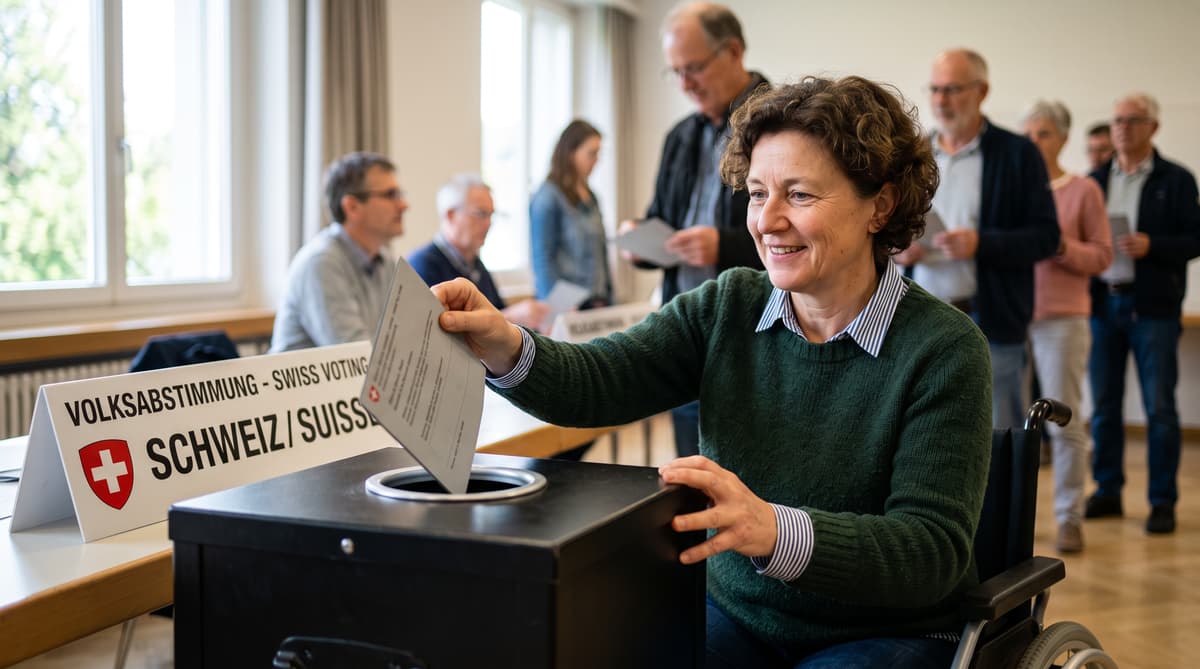
The Federal Council has opened a consultation that could extend federal voting rights to every adult Swiss citizen. The draft bill targets a constitutional exclusion affecting people described in the current law as having a mental illness or mental incapacity.
Under the proposal, reaching the age of majority would become the sole condition for holding political rights at federal level. The change would cover people who currently lose those rights because authorities have determined that they lack the capacity to make sound judgements over the long term and placed them under a general guardianship arrangement or a mandate linked to incapacity.
The government presented the move as part of a wider shift in how Switzerland understands disability and participation. The consultation opened in October 2026 and will run until January 28, 2028, giving political parties, cantons, organisations and members of the public time to respond.
The proposal reaches beyond a technical amendment. It would remove a federal rule that ties voting rights to an assessment of a person's decision-making capacity. That assessment has determined whether some Swiss citizens can participate in elections and referendums, even when they remain affected by laws decided through those ballots.
Replace the old legal test
The current rule links political rights to a legal finding about a person's ability to make sound judgements. The Constitution refers to people deprived of political rights because of mental illness or mental incapacity. Legislation clarified the wording around 50 years ago.
In practice, the exclusion concerns people under general guardianship or a mandate established in the event of incapacity. The system can therefore affect citizens whose legal protection arrangements cover their personal and financial affairs over a long period. The source material does not provide a nationwide figure for the number of people currently excluded from federal voting.
The Federal Council's draft would remove that category from the conditions for exercising political rights. It would no longer require election officials to determine whether a citizen's judgement meets a legal standard before accepting their participation in federal elections and referendums.
The issue has been debated in Switzerland for years. A Swissinfo report published in 2017 examined whether excluding people under full guardianship amounted to discrimination. The new consultation gives that debate a direct place in the federal legislative process, while leaving the precise design of implementation to the bill and subsequent parliamentary consideration.
Bring disability rights into the ballot box
Switzerland ratified the UN Convention on the Rights of Persons with Disabilities in 2014, and the treaty has shaped the government's approach. The convention forms a central part of the Federal Council's explanation for reviewing the existing exclusion.
The government says the understanding of disability and disability rights has developed in recent years. Public policy increasingly focuses on participation that is as independent and equal as possible. The proposed voting rights reform places political participation within that broader framework.
The draft bill would give all adult citizens the same formal entitlement to federal political rights. It does not propose a new classification of mental disabilities or a revised capacity test. Its stated direction is simpler: citizenship and adulthood would determine eligibility, rather than a guardianship status connected to a long-term assessment of judgement.
The proposal concerns only federal political rights. Switzerland's federal structure means that cantons and municipalities retain their own responsibilities in many areas of political participation. The consultation material described in the source does not establish how, or whether, cantonal rules would change later. Any broader effect would require separate decisions at the relevant level of government.
Put the draft to public scrutiny
The consultation is the next test for a reform that could change who participates in federal elections and referendums. The process will allow cantons, political parties, disability organisations, legal specialists and members of the public to assess the government's draft.
The source gives no timetable for a parliamentary vote after the consultation closes. The Federal Council will first have to review the responses and decide how to proceed. Parliament would then consider the resulting legislation, with the possibility of further political and legal debate before any new rule takes effect.
That process will also clarify practical questions that the announcement leaves open. Switzerland will need to determine how electoral authorities should apply the new entitlement, how accessible voting information should be, and how federal procedures should support people who need assistance to understand or complete voting material. The government has not supplied details on those mechanisms in the source report.
For now, the immediate change is political and procedural: people currently excluded under the federal constitutional rule have a proposal before them that would remove the exclusion. The consultation deadline, January 28, 2028, sets the first formal marker in a process that could reshape the federal electorate.
Prepare the system for equal access
The proposed rule would make adulthood the decisive threshold for federal political rights. That would create a clear legal principle for citizens who currently lose the vote through guardianship arrangements, while preserving the broader Swiss system of elections and direct democracy.
The change would matter in a country where citizens regularly vote on popular initiatives, referendums and elections at several levels. The draft described by the Federal Council is limited to the federal level, so it does not immediately settle questions about cantonal and municipal voting rights. Those areas would remain outside this consultation unless later authorities take separate action.
The reform also places access to political information in sharper focus. Extending the right to vote would increase the importance of clear-language material, accessible campaign communication and practical support at polling stations. The source report does not announce specific accessibility measures, and the consultation may become the forum for discussing them.
The government's timetable now gives Swiss institutions more than a year to examine the proposal before the deadline. After January 28, 2028, the responses will help determine whether Switzerland moves from a capacity-based exclusion toward a universal federal voting entitlement for adults.