banking
Swiss Senate Demands Stricter Capital Rules for Systemic Banks
Following Credit Suisse crisis inquiry, parliament pushes for tougher regulations on systemically important banks' capital requirements.
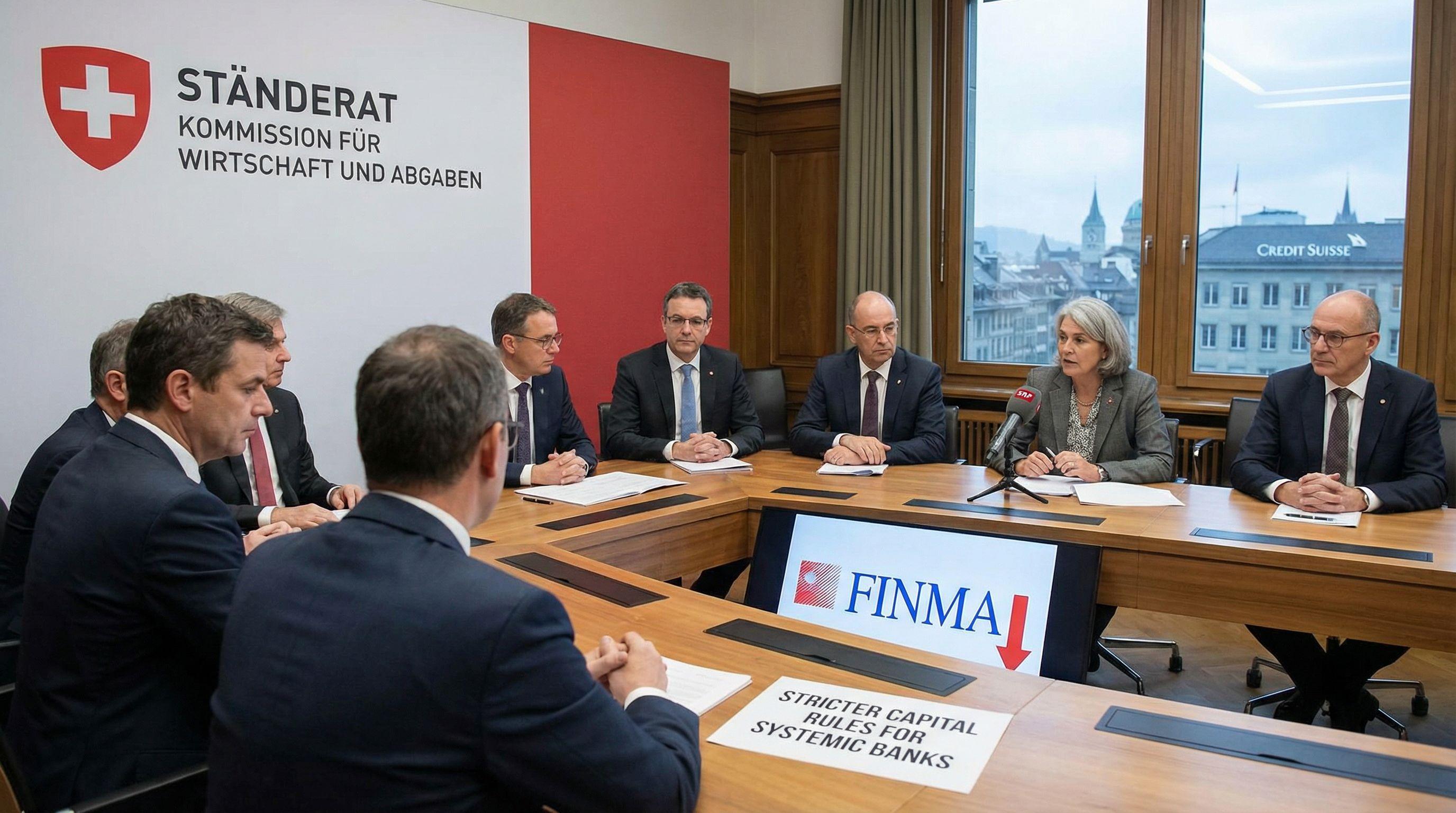
Senate Pushes for Tighter Banking Regulations
In a significant move to strengthen Switzerland's financial stability, the Swiss Senate has approved a motion calling for stricter capital requirements for systemically important banks. This decisive action comes in the wake of the Credit Suisse crisis and subsequent emergency merger with UBS, marking a new chapter in Swiss banking regulation.
Background and Context
The motion emerges from a comprehensive investigation by the Parliamentary Inquiry Commission (PUK) into the Credit Suisse crisis. The investigation revealed that since 2017, the Swiss Financial Market Supervisory Authority (FINMA) had granted Credit Suisse significant relief regarding capital requirements, which ultimately contributed to masking the bank's true financial condition. This 'regulatory filter,' as described in the PUK report, proved to be a critical oversight in the lead-up to the bank's difficulties.
Key Findings and Recommendations
The PUK's investigation resulted in ten distinct motions, all of which received approval from the Swiss Senate. Central to these recommendations is the elimination of regulatory relief on capital and liquidity requirements for systemically important banks. The commission's findings emphasize the need for more transparent and stringent oversight of major financial institutions to prevent future crises.
Impact on Swiss Banking Sector
The new regulations will directly affect Switzerland's systemically important banks, including UBS, Zürcher Kantonalbank, Raiffeisen, and Postfinance. These institutions will face more stringent capital requirements, potentially affecting their operational flexibility but ultimately contributing to a more stable financial system. The measures reflect Switzerland's commitment to maintaining its position as a leading global financial center while ensuring robust risk management.
Next Steps and Implementation
The approved motion will now proceed to the House of Representatives for consideration. Upon approval, the Swiss government will be tasked with drafting detailed regulations implementing the stricter capital requirements. This process represents a crucial step in strengthening Switzerland's banking sector and preventing future financial crises. The timeline for implementation and specific requirements will be determined through subsequent legislative processes.