Food Security
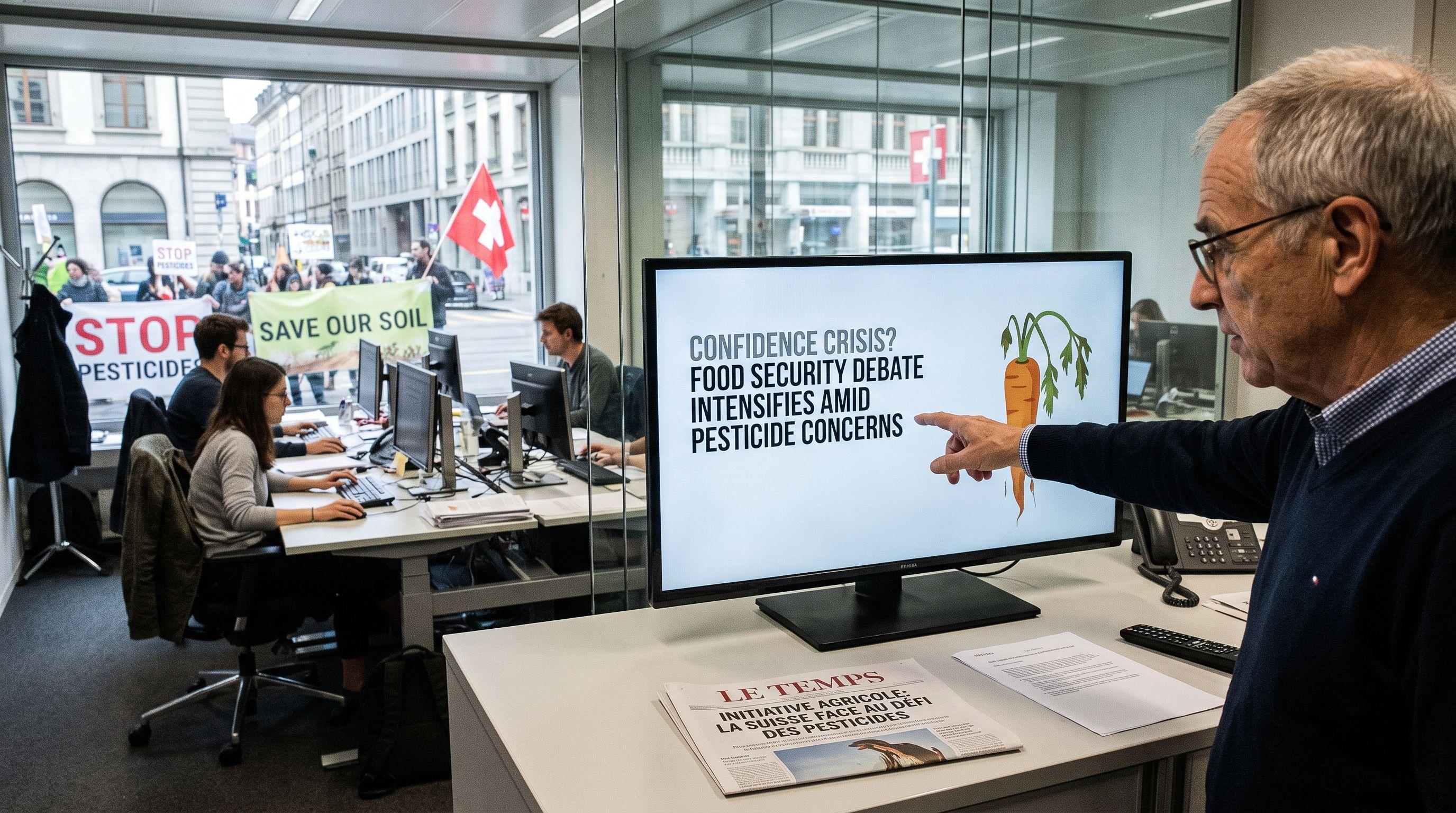
Confidence Crisis? Food Security Debate Intensifies Amid Pesticide Concerns
With a new initiative pushing for greater food self-sufficiency through plant-based agriculture, shocking findings reveal that a third of vegetables from Asian supermarkets fail pesticide tests. We examine the intersection of food policy, consumer safety, and the push for sustainable domestic production.
Toxic Imports Trigger National Alarm
A staggering 32% of vegetable samples from Asian supermarkets in Solothurn have failed rigorous pesticide testing, sending shockwaves through the Swiss retail sector. This is not a marginal oversight; it is a systemic failure of the import pipeline. Inspectors analyzed 38 samples across ten retailers, discovering that nearly one in three items contained illegal levels of chemical residues. The findings, described by officials as 'sobering,' have already culminated in a criminal complaint against a major importer. While Switzerland prides itself on some of the world's strictest food safety standards, this data exposes a gaping vulnerability in our globalized supply chain. The crisis centers on popular staples including basil, green chillies, and okra—items that Swiss consumers increasingly rely on for culinary diversity. As the Federal Council grapples with these results, the pressure to tighten border controls and scrutinize direct imports has never been more intense. This failure rate isn't just a statistic; it is a direct challenge to the integrity of the Swiss dinner plate.
Chemical Cocktails Threaten Consumer Safety
The discovery of nicotine and the insecticide triazophos in a single batch of beans has forced an immediate product recall and criminal proceedings. This 'cocktail effect'—where multiple pesticides are found in a single plant—creates a nightmare for toxicologists. Many of these substances are strictly banned within the European Union and Switzerland but remain legal in parts of Asia, creating a dangerous regulatory chasm. When shops bypass experienced Swiss importers to source directly, they often lack the specialist knowledge required to navigate these complex chemical landscapes. Nicotine, while naturally occurring, is being weaponized as an illicit insecticide against aphids, posing acute health risks that officials could not rule out. The cantonal chemist now issues a stern warning: the complexity of assessing these combined residues makes quality assurance nearly impossible for small-scale retailers. This isn't just about farming; it's about a lack of oversight that puts the Swiss public at risk. The message is clear: if the importer isn't reliable, the food isn't safe.
The 70% Sovereignty Mandate
Switzerland must surge its food self-sufficiency from a lowly 46% to a robust 70% to survive the coming decades. That is the bold ultimatum delivered by the 'Food Security Initiative,' which has successfully secured 112,736 signatures for a national referendum. Led by environmental campaigner Franziska Herren, the movement demands a radical pivot away from animal-based agriculture toward a plant-based future. This isn't merely an environmental plea; it is a strategic necessity. By prioritizing domestic plant production, proponents argue Switzerland can insulate itself from the toxic uncertainties of the global market. The initiative mandates a 10-year window to transform the national agri-food sector, focusing on soil fertility, biodiversity, and the preservation of groundwater. While the Federal Council opposes the move as 'too radical,' the recent pesticide scandals provide powerful ammunition for those who believe that Swiss-grown is the only way to guarantee Swiss-safe. The era of relying on imported vegetables that fail one-third of the time may be coming to an end.
A Nation Divided Over the 'Vegan Diktat'
On September 27, Swiss voters will decide if this initiative is a visionary roadmap or a 'vegan diktat' that threatens the national way of life. Opponents, including the executive body and nearly all major political parties, dismiss the 70% target as an unrealistic fantasy that would decimate the traditional livestock industry. They argue the Federal Constitution already provides sufficient framework for sustainable farming. However, the contrast is stark: while politicians debate the economics of meat, consumers are confronting the reality of pesticide-laden imports. The Young Greens remain the only major political faction backing the 'Yes' vote, setting the stage for a David-vs-Goliath battle at the ballot box. This vote transcends simple dietary choices; it is a referendum on the future of Swiss sovereignty and health. As the deadline approaches, the tension between maintaining low-cost imports and investing in expensive, clean domestic production has reached a breaking point. Switzerland stands at a crossroads: continue the status quo of chemical uncertainty or embrace a radical, self-reliant future.