food safety
Rubber-related chemicals detected in Swiss milk raise food-safety questions
Swiss milk samples contain rubber-related chemicals, with milking hoses, seals and other dairy equipment emerging as a possible source. The health implications remain unknown, but the findings warrant scrutiny of food-production equipment and follow-up testing.
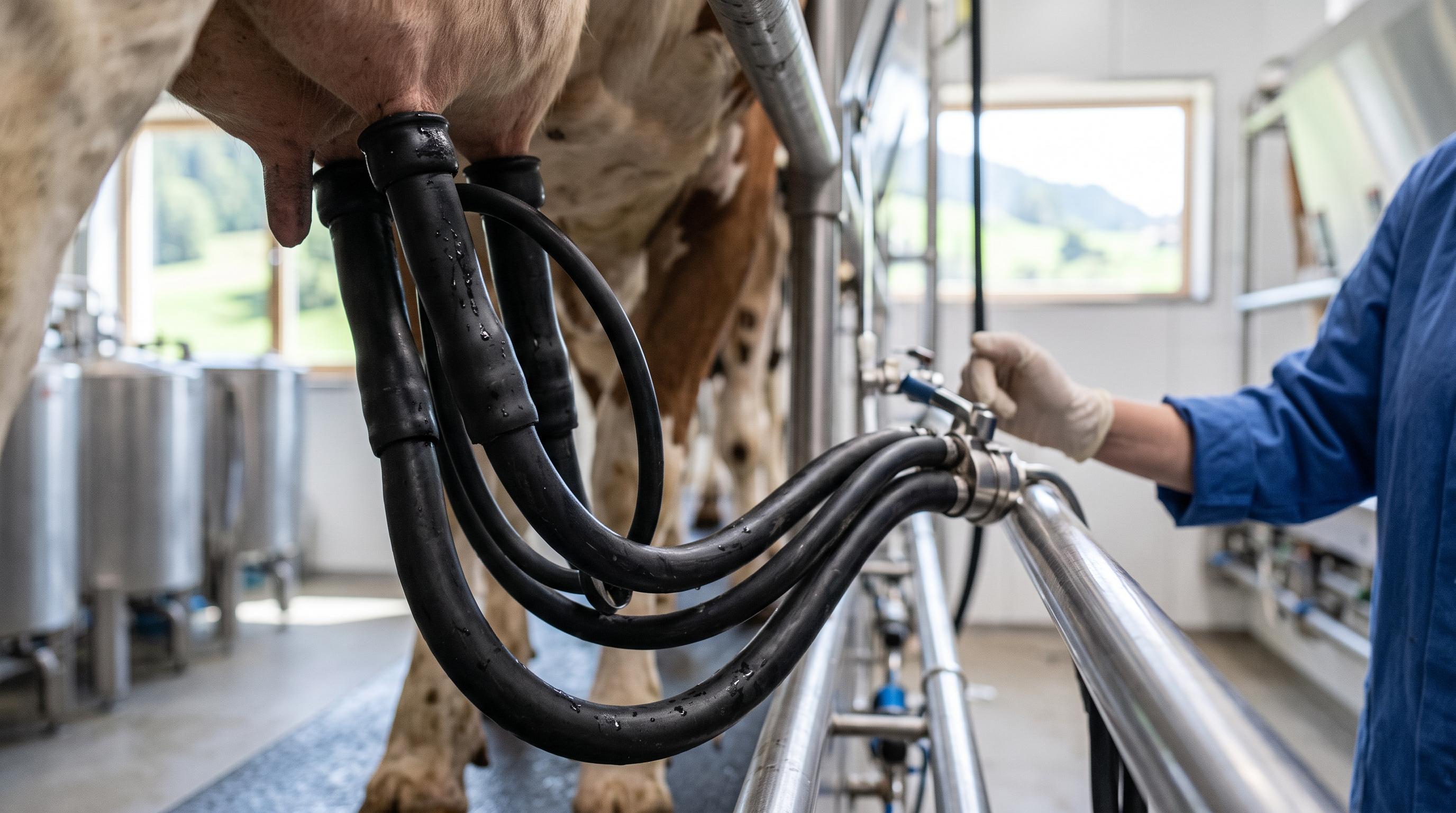
Swiss milk study puts dairy equipment in the spotlight
Swiss scientists found rubber-related chemicals in 7 of 17 raw-milk samples, placing dairy equipment under scrutiny as a possible source of contamination. The study, published in Food Chemistry X, examined milk collected from farms across Switzerland and detected at least one of four targeted substances in seven samples.
The concentrations were generally low. Researchers and regulators have not established what the findings mean for people who drink milk or eat products made from it. The study therefore does not establish a health risk, and it does not identify a single contamination route. It does show that substances associated with rubber can reach milk during production, a pathway that has received less attention than environmental pollution.
The research involved the Swiss Federal Institute of Technology Lausanne, the Federal Office for Food Safety and Veterinary Affairs, and Agroscope. Their collaboration gives the findings direct relevance for Swiss food controls, dairy farmers and manufacturers of milking equipment.
Raw milk is collected before processing, including pasteurisation or other treatment. The next stage of research will need to establish whether the compounds survive processing, how often they occur, and whether concentrations differ between farms, equipment types and seasons.
Milking systems offer a surprising contamination route
Milking hoses, seals and other rubber parts yielded 14 different chemicals when researchers examined equipment used in milk production. That result points to a potential source close to the point where milk leaves the cow and enters the collection system.
The equipment was legally approved for contact with food, according to study leader Florian Breider. He called it “astonishing” that the researchers found these compounds in compliant materials. The finding raises practical questions for equipment makers, farmers and food-safety authorities: how do the chemicals migrate, does age or repeated cleaning increase release, and should existing testing cover substances formed as rubber degrades?
One compound drew particular attention. The scientists detected 6PPD-quinone in milking-system materials. Rubber does not receive 6PPD-quinone as an intentional additive. The substance forms when the rubber compound 6PPD oxidises as the material ages. Researchers already know 6PPD-quinone can harm certain fish species, but the Swiss study does not establish an equivalent danger to humans through milk.
The equipment findings do not prove that every contaminated milk sample acquired the chemicals from hoses or seals. They do, however, provide a testable explanation that follow-up studies can compare against farm records, equipment age and material composition.
Roads and tyres remain part of the investigation
Three samples from Alpine farms far from busy roads contained none of the tested substances, offering an important regional clue while leaving the source unresolved. The researchers considered tyre and road-surface abrasion as another possible route into milk.
Vehicles release rubber particles as tyres wear. Those particles and their chemical additives can move through the air, runoff water or fertilisers and reach agricultural land. The study cites a worldwide estimate of 6 million tonnes of rubber particles released each year through tyre and road abrasion. That figure describes a broad environmental flow, not the amount entering Swiss milk.
The Alpine results suggest that distance from traffic could matter, although the sample was small and the farms differed in more ways than road proximity. Feed, pasture, water, weather, farm layout and equipment may all affect exposure. The researchers will examine how concentrations change across seasons and investigate the exact pathways into milk.
Switzerland has already seen research linking tyre additives to fruit and vegetables. Taken together, these studies widen the food-safety investigation beyond one product. They also underline the need to separate environmental contamination from chemical migration inside farm equipment, because the two routes would require different controls and prevention measures.
Follow-up testing will determine what happens next
The health implications remain unknown, and the study measured generally low concentrations in raw milk. That combination calls for better evidence rather than a broad conclusion about the safety of Swiss dairy products.
The planned work will track chemical levels through different seasons and map the route from source to milk. Researchers can compare new and older hoses, seals and other components, examine cleaning and maintenance practices, and sample farms with different traffic exposure. Testing milk after processing would also clarify whether the substances persist in products that reach consumers.
For Swiss authorities, the findings provide a basis to review how food-contact rubber is assessed. Approval of a material covers its intended use, but the study raises the possibility that ageing or oxidation creates additional compounds. Manufacturers may need to provide more information about degradation products, while farmers will need clear guidance if equipment replacement becomes relevant.
The Federal Office for Food Safety and Veterinary Affairs and Agroscope participated in the research. Their involvement means the results can feed into national monitoring and agricultural practice. Until follow-up testing is complete, consumers have no evidence in this study of an immediate danger. The evidence does support continued surveillance of milk, equipment and environmental pathways.