Economy
High Housing Costs Push Romandy Residents Towards France
A new survey reveals a significant number of residents in French-speaking Switzerland are considering emigrating to France, driven primarily by the high cost of housing and property in cantons like Geneva.
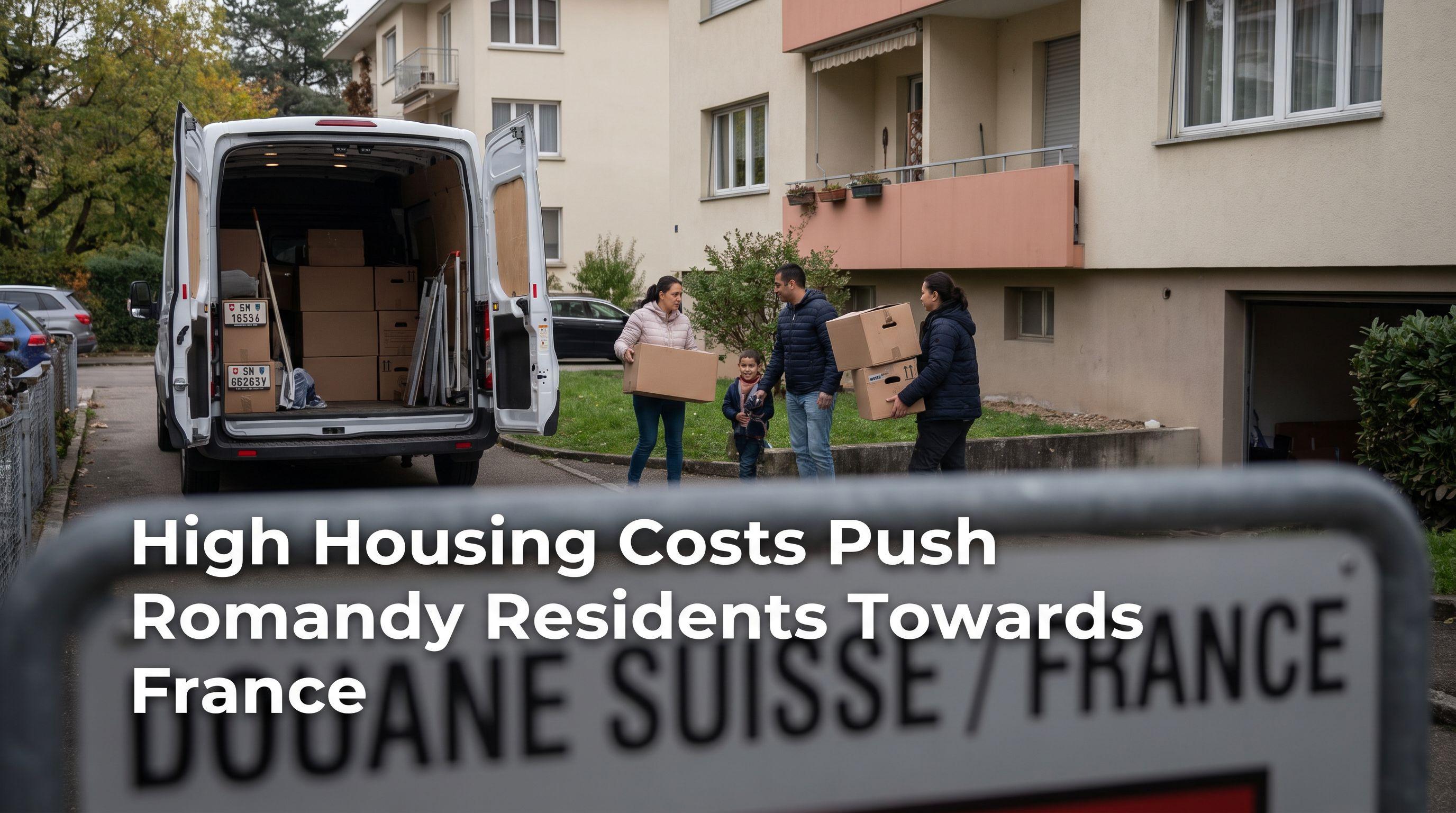
The Great Romandy Exodus
A staggering 92,400 residents in French-speaking Switzerland are currently hunting for homes across the border in France. This isn't just a minor shift; it is a full-blown demographic tremor. Driven by an unrelenting housing crisis, nearly one-third of adults in the Romandy region now admit they can imagine abandoning Switzerland for the cheaper pastures of the French Republic. The attraction is undeniable: 38% of those eyeing the border expect significantly lower rents or purchase prices, a figure that has surged from 34% just one year ago. While Switzerland debates how to curb immigration, the nation is facing a silent internal hemorrhage as its own citizens look for an exit strategy. The economic pressure has reached a boiling point, transforming the dream of homeownership into a cross-border necessity for thousands of middle-class families who find themselves priced out of their own communities.
Geneva Grapples with Pricing Paralyis
In the canton of Geneva, the housing market has reached a state of absolute emergency, with a massive 50% of residents describing costs as 'very expensive.' This stands in stark contrast to cantons like Bern, Jura, and Valais, where only 10% to 12% of the population reports similar levels of financial distress. The data is damning: one in four Romandy residents is now sacrificing more than 36% of their total household budget just to keep a roof over their heads. For a significant 8% of the population, housing costs devour more than half of their monthly income. This financial strangulation is most acute in urban employment centers, where the demand for space has far outpaced supply. As Geneva becomes a playground for the ultra-wealthy, the essential workforce is being pushed further toward the periphery, threatening the very social fabric of the city-state. The result is a polarized landscape where your proximity to the office is determined strictly by the depth of your pockets.
Commuting Barriers Confront Border Dreams
Despite the allure of cheaper French villas, a formidable 40% of residents refuse to accept a longer commute in exchange for lower costs. The reality of cross-border life is a logistical minefield that many are hesitant to navigate. Beyond the traffic jams at the border, the 'social cost' of emigration looms large. Respondents cite distance from family and friends as the single greatest hurdle to moving, followed closely by the administrative nightmare of dual-country taxation, health insurance, and childcare. While 68% of locals already know someone living in France and working in Switzerland, the leap remains a daunting one. Only 14.1% of those who 'contemplate' the move are actually taking concrete steps to find a home. This gap between frustration and action suggests that while the desire for affordable housing is universal, the willingness to sacrifice quality of life and social connections is not. France acts as a safety valve, but for many, the administrative burden is a price too high to pay.
Structural Flaws Stifle Domestic Mobility
Switzerland’s rental market is fundamentally broken, rewarding those who stay put while punishing anyone seeking a new home. An incredible 70% of residents over the age of 56 have occupied the same property for more than a decade, benefiting from legacy rental rates that are substantially lower than today’s market prices. This creates a 'lock-in' effect where households remain in homes that no longer suit their needs—such as empty-nesters in large apartments—simply because moving would trigger a massive rent hike. This stagnation prevents younger families from accessing suitable housing within Switzerland, further fueling the drive toward the French border. The current system acts as a barrier to mobility, distorting economic decisions and forcing a choice between staying in an unsuitable Swiss flat or emigrating for space. Experts warn that France is no substitute for a robust domestic building program. Switzerland must confront its supply-side failures or watch its workforce continue to drift across the frontier.