Business
Swiss Bike-Sharing Firm Publibike Acquired by British Investor Visionedgeone
The Swiss bike-sharing company Publibike is being acquired by British investor Visionedgeone, which plans a long-term expansion of the service. CEO Markus Bacher will retain a minority stake and continue to lead the company, while shareholder Thomas Binggeli will depart to focus on other businesses.
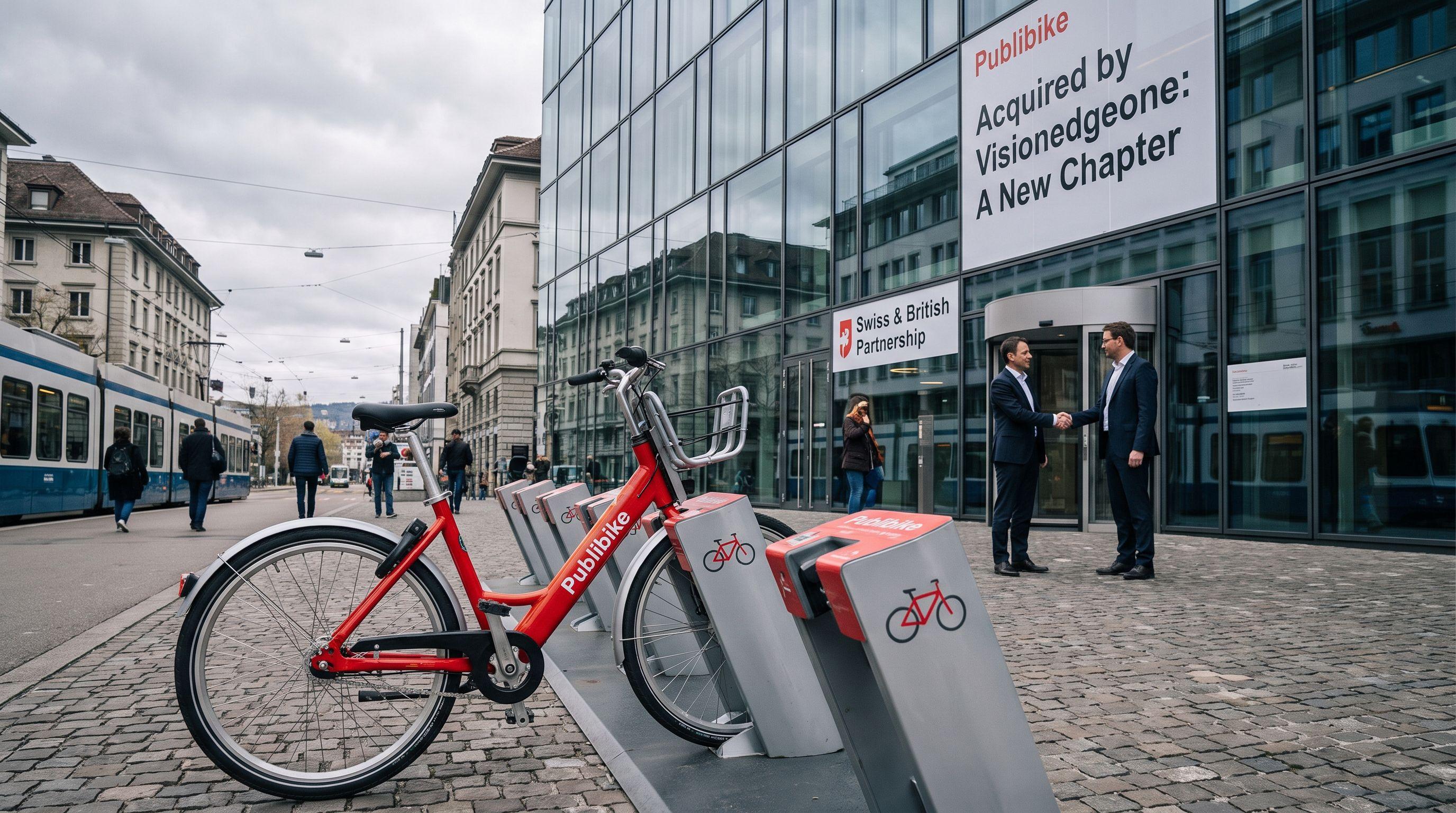
British Capital Fuels Swiss Urban Mobility
Switzerland's urban landscape is undergoing a seismic shift as British investor Visionedgeone seizes control of Publibike, the nation's premier bike-sharing titan. This is not just a change in paperwork; it is a massive injection of foreign confidence into Swiss sustainability. While the purchase price remains shrouded in confidentiality, the implications are crystal clear: Publibike is no longer just a local player. By securing a majority stake, Visionedgeone is betting big on the Swiss appetite for green transport. This move comes at a critical juncture as the company has finally stabilized its finances, operating in the black at the EBITDA level since 2024. The transition from a former Swiss Post subsidiary to a privately-backed powerhouse is now complete, signaling a new era where British capital drives Swiss commuters across the cobblestones of Zurich and Bern.
Visionedgeone Targets European Synergy
Visionedgeone is not an amateur in the mobility game; they are building a continental empire. By adding Publibike to a portfolio that already includes Inurba Mobility—a dominant force in France, Finland, and Poland—the British firm is creating a formidable network of shared transport. The strategy is aggressive and calculated. Synergies in technology, sales, and operations will be harvested immediately, slashing overheads while boosting service quality. This is a long-term play, with a firm commitment of at least five years, ensuring that this isn't a 'strip and flip' operation. The integration of Swiss precision with British investment strategy promises to revolutionize how the 10,500-strong fleet of bicycles and e-bikes is managed. As the two entities merge their expertise, Swiss riders can expect a more seamless, tech-driven experience that rivals any major European metropolis.
Bacher Stays at the Helm as Binggeli Exits
Continuity is the watchword in the Publibike boardroom, even as the ownership structure is torn up. Markus Bacher, the architect of the company’s recent turnaround, remains firmly in the CEO chair. By retaining a minority stake, Bacher signals his personal skin in the game, a move that will undoubtedly reassure the 120 towns and municipalities that rely on the service. In sharp contrast, the legendary cycling entrepreneur Thomas Binggeli is making a clean break. The founder of Thömus is departing to focus entirely on his core business interests, marking the end of a high-profile partnership that rescued Publibike from the doldrums of the Post era. This leadership stability, paired with the exit of local stakeholders like Guido Honegger, suggests a professionalization of the firm’s governance, moving away from a consortium of local enthusiasts toward a streamlined, corporate structure backed by international expertise.
Scaling the Alpine Network Beyond 120 Cities
The horizon for Publibike is expanding at an unprecedented rate. Currently operating a staggering 10,500 vehicles across ten cantons, the company is now poised to penetrate even deeper into the Swiss heartland. The new ownership has explicitly pledged to invest in fleet expansion and technological upgrades. This is a direct challenge to the status quo in cities like Zurich, Basel, and Aarau, where the public sector already provides deficit guarantees and annual contributions. The infusion of British capital means Publibike can now bid for larger contracts and enter municipalities that were previously out of reach due to capital constraints. For the Swiss public, this means more e-bikes on more street corners and a more robust alternative to car ownership. The acquisition isn't just a business deal; it's a catalyst for a cleaner, more connected Switzerland that refuses to stand still.