Novartis
Novartis suspends cell-therapy trials after three patient deaths
Novartis has suspended several experimental CAR-T cell therapy trials after three patients died from a rare, potentially fatal immune complication. The decision raises fresh questions about the risks and oversight of next-generation treatments for autoimmune disease.
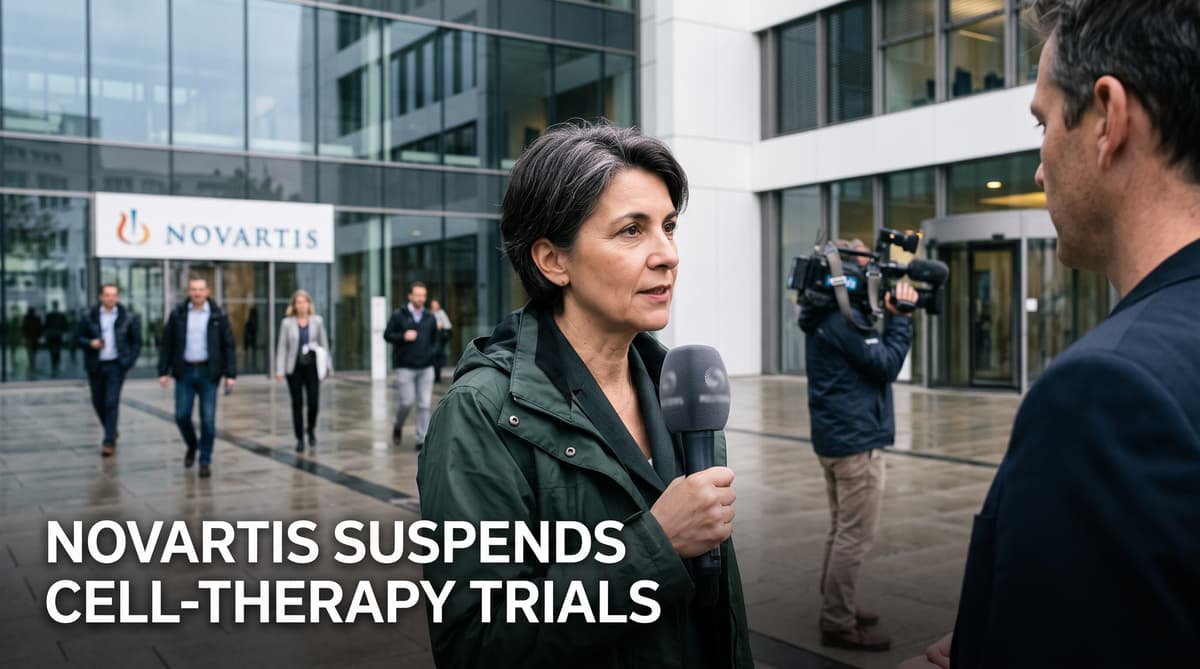
Three patients have died, prompting Novartis to suspend several experimental cell-therapy trials for autoimmune diseases. The Basel-based pharmaceutical group confirmed the decision to the AWP news agency after the US newspaper The Wall Street Journal reported it.
The trials were halted at the end of August in programmes spanning immunology and neuroscience. The reported complication was immune effector cell-associated haemophagocytic syndrome, a rare immune reaction that can become fatal. Novartis said the suspension followed three reported cases in which the complications proved fatal.
The move places a prominent Swiss drugmaker’s next-generation treatment strategy under scrutiny. The affected therapy, rapcabtagene autoleucel, is also known as rap-cel. It belongs to the CAR-T class, which reprogrammes a patient’s white blood cells so they can attack defective cells.
CAR-T therapies have become an important area of medical research, particularly in cancer treatment. Their use against autoimmune diseases represents a newer development, with researchers examining whether re-engineered immune cells can reset harmful immune responses. The deaths show the safety challenge facing that expansion, even as companies pursue treatments for diseases that can resist existing medicines.
Trace the immune risk
Immune effector cell-associated haemophagocytic syndrome proved fatal in all three reported cases, according to Novartis. The company has not disclosed the identities of the patients, the individual trials involved, or the circumstances surrounding each death in the information cited by Swissinfo.
The syndrome involves an uncontrolled immune response. In CAR-T treatment, the patient’s own white blood cells are collected and genetically modified before being returned to the body. The engineered cells are designed to recognise and destroy target cells. That powerful activation can also produce serious immune complications.
The known risk has shaped the development of CAR-T therapies from the beginning. The source report says death from an immune reaction is a recognised risk associated with this therapeutic approach. It also notes that Bristol-Myers Squibb, a US competitor, had previously suspended similar trials as a precautionary measure.
For patients enrolled in autoimmune-disease studies, a suspension can affect treatment schedules, monitoring and access to an experimental option. The source does not state whether participants have been withdrawn, whether dosing has stopped in every affected study, or what additional safeguards Novartis will require before any restart. Those details will be central to the company’s review.
Separate oncology from autoimmune research
Novartis has drawn a line around the affected programmes: its rap-cel oncology work continues, while the autoimmune-disease trials remain suspended. The distinction matters because the same underlying cell-therapy platform is being explored across different medical fields, each with its own patient populations, treatment goals and risk calculations.
Novartis said the rap-cel programme in oncology is in no way affected by the suspension. It is now reviewing the emerging data to determine what happens next. The company has not announced a timetable for that assessment in the source material.
The decision also arrives as pharmaceutical companies face pressure to make clinical development faster and more efficient. Swissinfo recently reported on industry efforts to use artificial intelligence to address the cost and duration of human trials. Cell therapies add another layer of complexity because they are manufactured from individual patients’ cells and can trigger rapid, system-wide immune effects.
The pause will therefore be watched beyond Novartis. Regulators, trial investigators and other developers will examine whether the cases point to a problem specific to the autoimmune-disease studies, a broader rap-cel signal, or a risk shared by similar CAR-T approaches. The available information does not yet establish which explanation applies.
Track the safety review
Novartis is now weighing the next steps against a record of three fatal complications. For Switzerland, the case puts attention on how promising but high-risk therapies move from laboratories and early studies toward wider clinical use.
The company’s Basel base makes the suspension a significant Swiss pharmaceutical story, but the trials and their oversight extend beyond one site. Rap-cel is an experimental treatment, and the source does not identify the countries, hospitals or number of participants involved in the affected studies. It also does not report any findings from regulators or independent safety committees.
That missing information will shape the public assessment of the pause. Patients and physicians will need clear explanations of which studies are affected, how risks are being communicated, whether alternative treatments are available and what evidence could support a restart. Investigators will also need to determine whether the fatal syndromes can be predicted, prevented or managed earlier.
Novartis has provided a limited immediate answer: suspend the autoimmune-disease programmes, preserve the separate oncology programme and review the data. Until the company releases more detail, the three deaths remain the clearest measure of the safety signal and the strongest reason for close scrutiny of CAR-T expansion into autoimmune disease.