Housing
Housing Crisis Pushes French-Speaking Swiss to Emigrate
Soaring housing costs in French-speaking Switzerland, particularly in the Geneva region, are compelling a growing number of residents to look for property in neighboring France. This trend, highlighted by a new survey, underscores a wider national problem of insufficient housing construction to meet population demands.
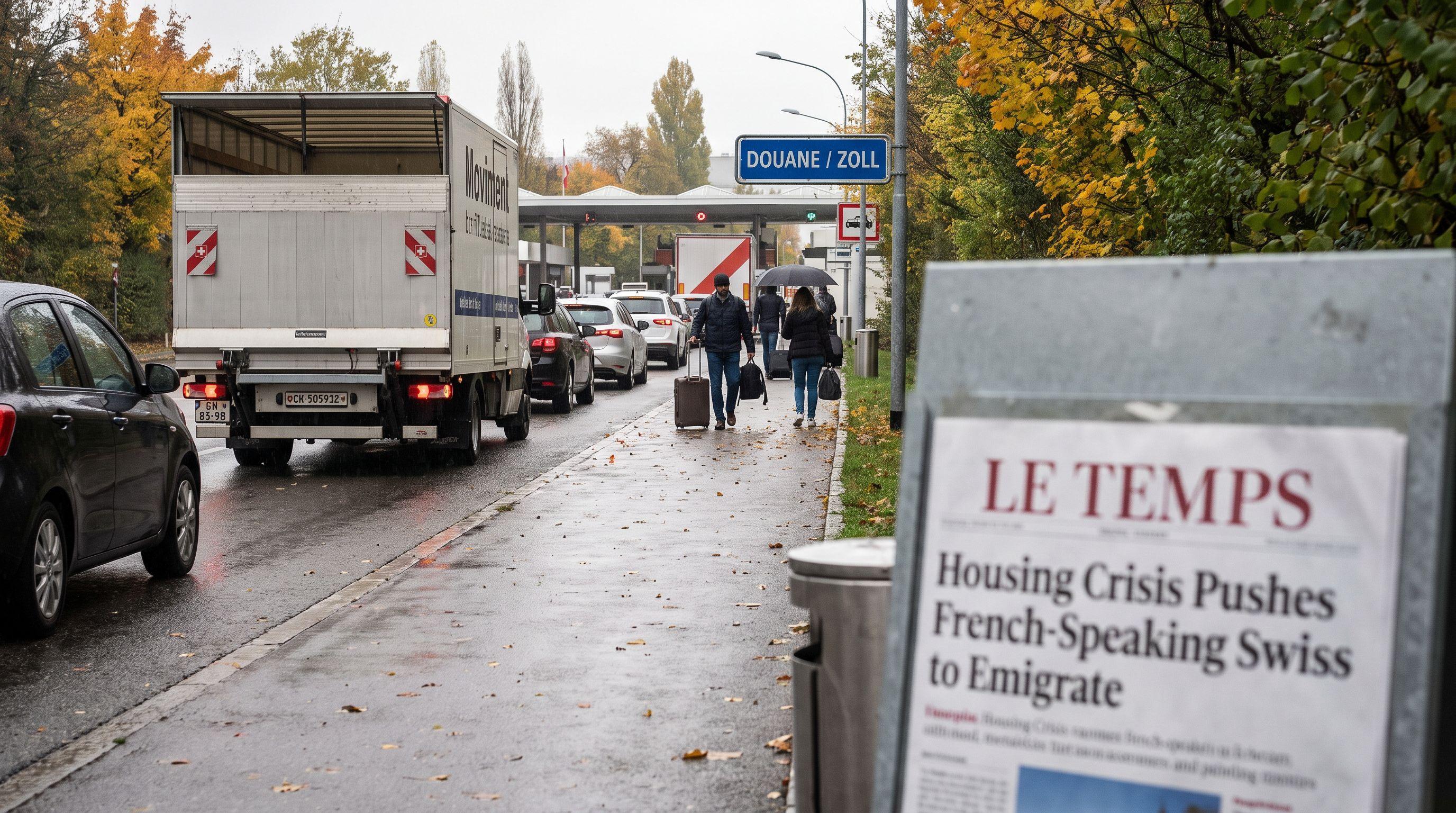
The Great Romandie Exodus
A staggering 92,400 residents in French-speaking Switzerland are currently eyeing the exit. This isn't a casual curiosity; it is an active, desperate search for property across the French border. Driven by a housing market that has spiraled out of reach, nearly 70% of the population in the Romandie region now labels their local rental and property prices as 'expensive'. The Swiss dream of homeownership is evaporating, replaced by the pragmatic necessity of cross-border emigration. While Switzerland remains a global hub of wealth, its residents are increasingly finding that their salaries cannot compete with the skyrocketing cost of four walls and a roof. This mass interest in moving to France highlights a critical failure in the domestic market, as the allure of lower costs abroad outweighs the traditional stability of staying within Swiss borders. The movement represents a significant demographic shift that could redefine the social fabric of the border regions for a generation.
Geneva at the Breaking Point
Nowhere is the crisis more acute than in Geneva, where a massive 50% of residents describe housing costs as 'very expensive'. This stands in haunting contrast to cantons like Bern, Jura, and Valais, where only 10% to 12% of the population feels the same level of financial suffocation. Geneva has become the epicenter of an affordability catastrophe. The city-canton is grappling with a geographic and regulatory bottleneck that has turned every square meter into a luxury commodity. For many, the choice is stark: remain in a cramped, overpriced apartment or endure the administrative hurdles of becoming a 'frontalier'—a cross-border worker. However, the transition isn't seamless. Four in ten respondents flatly refuse to accept longer commutes, creating a trapped class of residents who are priced out of buying but unable to leave due to the logistical nightmare of the daily trek. The social tension is palpable as the city risks becoming an exclusive enclave for the ultra-wealthy, pushing the middle class further into the French periphery.
The Price of a Roof
One in four residents is now surrendering more than 36% of their total household budget just to keep a roof over their heads. This surpassing of the traditional 'one-third' rule for housing expenditure is a red flag for the Swiss economy. When over a third of income vanishes into rent or mortgage payments, discretionary spending plummets, threatening local businesses and the broader economic ecosystem. The Comparis survey reveals a population under siege by their own utility and rent bills. While the low cost of housing in France acts as a powerful magnet, the hurdles remain significant. Beyond the commute, residents cite the distance from family and friends and 'administrative uncertainties' as the primary barriers to moving. Yet, for nearly 100,000 people, these barriers are no longer enough to stop the search. The financial math simply no longer adds up for the average French-speaking Swiss worker, forcing a rethink of what it means to live and work in one of the world's most expensive nations.
Stagnant Cranes and Rising Walls
Switzerland is confronting a paradoxical paralysis: construction activity is in a marked decline even as the population continues to expand. The cranes that once dominated the skyline are disappearing, leaving a void that the market cannot fill. Experts warn that this inadequate supply is not a temporary glitch but a structural failure. The reasons are manifold—from restrictive zoning laws and environmental regulations to a lack of available land and rising material costs. As Helena Bachmann reports, the country will continue to struggle to meet the demands of its growing population if these bottlenecks are not cleared. The implication is clear: without a dramatic surge in new builds, the pressure on the existing housing stock will only intensify, further driving up prices and fueling the emigration trend. Switzerland stands at a crossroads; it must either build its way out of this crisis or accept that its workforce will increasingly reside in neighboring countries, fundamentally altering the nation's economic and social identity.