Healthcare
Flu-vaccine deliveries delayed across Switzerland
Some flu-vaccine deliveries to Switzerland are delayed, affecting about 40% of doses, according to RTS. Health authorities say there should still be enough vaccine for everyone who wants protection before the seasonal flu wave begins.
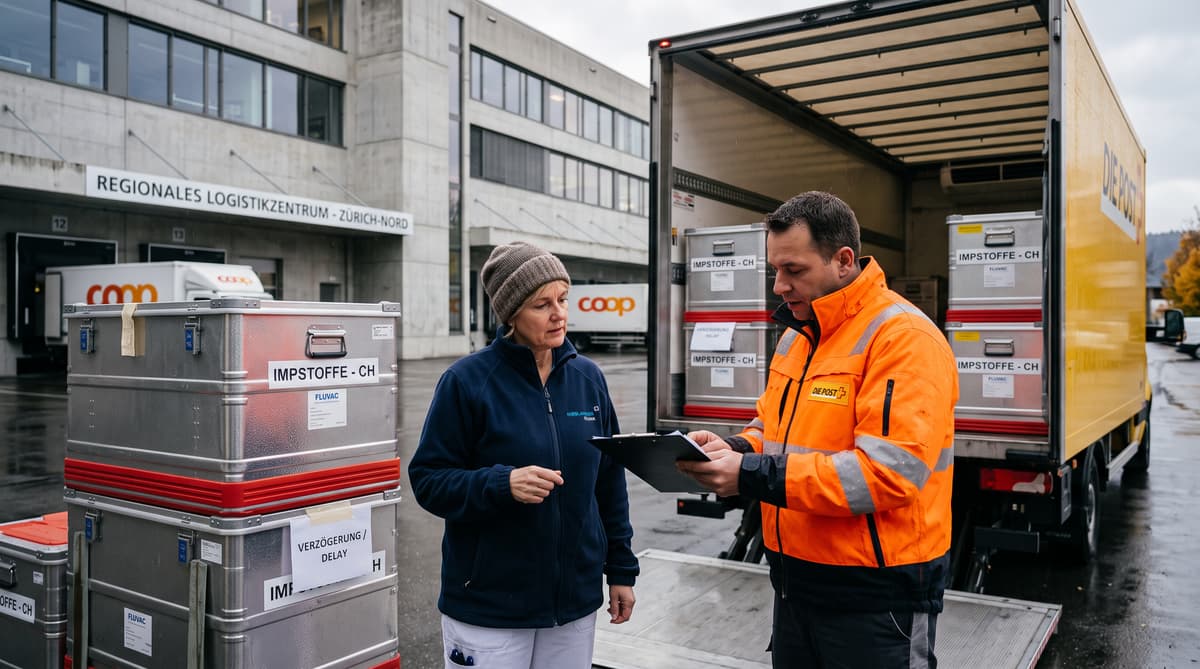
Around 40% of flu-vaccine doses are affected by delivery delays across Switzerland this autumn. The disruption is altering appointment schedules at a time when older people, pregnant women and patients with chronic conditions are preparing for the winter respiratory season.
The Federal Office of Public Health says the delays should not produce a national shortage. Its assessment is that people who want protection will still be able to get vaccinated before the seasonal flu wave begins, usually in the second half of December.
The timing matters because the FOPH recommends vaccination from mid October until the start of the wave. A later delivery can narrow the window for high risk groups, particularly people who need a prescription or rely on a specific vaccine product.
Swiss vaccination providers are therefore working with staggered availability rather than a single nationwide launch. The schedule differs by product and provider, with further appointments expected as supplies arrive. Anyone seeking a jab should check availability directly with a medical practice or pharmacy before attending.
Track the staggered appointments
Unisanté has already split its vaccination timetable between two products. Efluelda became available on 12 October for people aged over 75 and for people aged over 65 who have a prescription for it. Vaccination with Vaxigrip is scheduled to begin on 9 November.
The staggered programme reflects the practical effect of the delivery delays. Older adults may need to confirm which product is available to them and whether a prescription applies. Providers must also manage appointments around the arrival of different shipments, rather than offering every option at the same time.
Two national vaccination weeks will provide additional access. Participating medical practices and pharmacies will offer vaccination from 2 to 7 November, followed by a second campaign from 23 to 28 November. These dates give people several opportunities to arrange protection before the usual December increase in flu transmission.
The FOPH recommends vaccination for people aged 65 and over, pregnant women and younger people at increased risk of complications. That includes people with chronic illnesses and those taking medicines that suppress the immune system. Pharmacies and practices remain the first point of contact for current stock information.
Watch the winter virus signals
Switzerland’s seasonal flu wave usually begins in the second half of December. That forecast leaves time for vaccination, since the FOPH advises people to receive their dose from mid October until the wave begins. Protection does not depend on a single fixed national day, although earlier vaccination gives providers more time to reach people at higher risk.
Current surveillance points to limited respiratory virus activity. Geneva University Hospitals recorded one sample positive for influenza A in its latest update, while overall circulation remained low. The result offers a snapshot of current testing, not a prediction that the season will remain mild.
Health authorities are also watching SARS CoV 2 and respiratory syncytial virus. Both can cause serious illness, with RSV posing particular risks to infants and older adults. The three viruses can circulate during the same winter and produce similar early symptoms, which makes surveillance and clinical assessment important.
The delayed flu shipments therefore arrive before the main seasonal rise, rather than during a reported surge. Medical practices and pharmacies will need to keep updating patients as vaccine products become available.
Use November access points
Separate flu and Covid vaccinations can be given at the same appointment in Switzerland. That option allows practices and pharmacies to coordinate protection against more than one winter respiratory threat while flu supplies arrive in stages.
The European Union has authorised Moderna’s combined flu and Covid vaccine, mCombriax, for people aged 50 and over. The Swiss arrangements described by health authorities remain based on separate flu and Covid vaccinations, administered during the same visit when appropriate. The EU authorisation does not change the Swiss schedule or guarantee that the combined product is available in Switzerland.
For Swiss residents, the immediate practical step is to ask a provider about eligibility, product availability and appointment timing. People in recommended groups should not assume that a delayed shipment means vaccination must wait until December. The national campaign weeks in November offer additional routes through participating practices and pharmacies.
The FOPH’s position provides reassurance on supply, while the changing delivery timetable makes local information important. Providers will have the clearest view of which doses have arrived and which appointments they can offer.