Sports
FIFA Leadership Rallies Behind President Infantino Amid World Cup Deal Criticism
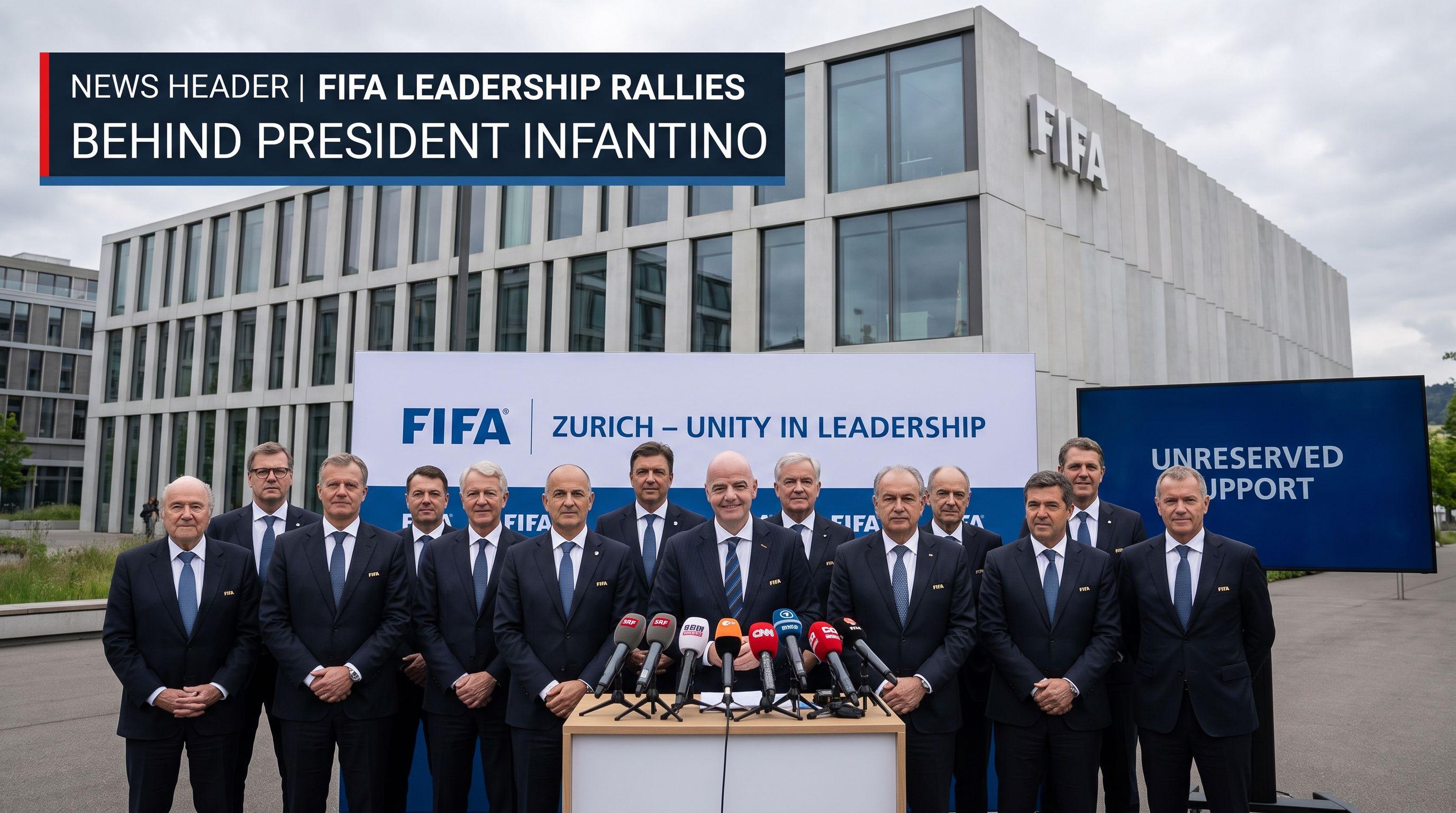
Following fierce criticism over plans to sell World Cup stakes, FIFA's top management has issued a statement of 'unreserved support' for President Gianni Infantino, affirming unity from its Zurich headquarters.
Zurich Defends the Throne
The walls of FIFA’s Zurich headquarters have never felt more fortified. Following a period of unprecedented internal 'turmoil,' the top brass of world football has circled the wagons around President Gianni Infantino. In a move that signals a total rejection of outside dissent, Secretary General Mattias Grafström and the management board issued a declaration of 'unreserved support' for the Swiss-Italian leader. This is not merely a gesture; it is a calculated strike against a mounting European rebellion that threatens to end Infantino’s decade-long reign. The message from the Rabat emergency meeting was crystal clear: Infantino remains the sole official elected by all 211 member associations, and his mandate is non-negotiable. While critics describe a presidency in crisis, the internal machinery of FIFA is projecting an image of unbreakable unity. This 'demonstrative rally' serves as a warning to those who would challenge the integrity of the organization. FIFA is no longer just governing football; it is fighting a war for its own reputation, vowing to take 'all necessary measures' to silence its detractors.
The Billion-Dollar Backtrack
A staggering admission of failure has rocked the 'FIFA Forward Enterprise' project. For the first time, the world governing body has publicly confessed to 'mistakes' in its controversial plan to sell off commercial stakes in the World Cup to private investors. This was a deal that could have reshaped the financial landscape of sports, yet it collapsed under the weight of its own secrecy. FIFA now admits that the process should have been handled differently, acknowledging that the FIFA Council and member associations felt dangerously excluded from the decision-making loop. This admission comes after a wave of outrage swept through European football, forcing Infantino to scrap the sell-off plan entirely last weekend. The fallout has been severe. Internal emails from Secretary General Grafström lamented a 'sad and reprehensible series of events' that has left the staff in a state of shock. While the project is dead, the questions it raised about transparency and the commercialization of the beautiful game continue to haunt the halls of the Home of FIFA.
Geopolitical Friction in the 2030 Race
Tensions are surging between Europe and Africa as the 2030 World Cup hosting duties become a geopolitical flashpoint. A recent report in 'The Times' ignited a firestorm by claiming Infantino had promised the prestigious final match to Morocco’s planned 115,000-seat Hassan II Stadium in Casablanca. Though FIFA has dismissed these claims as 'incorrect and misleading,' the damage to diplomatic relations with Spain—a co-host alongside Portugal and Morocco—is already done. Spain views the hosting of the final as a national priority, and any perceived tilt toward Morocco is seen as a major affront to European football's traditional dominance. This friction is exacerbated by the unique structure of the 2030 tournament, which will see matches played across three continents, including South America. As Infantino grapples with these competing interests, the 2030 final has become more than just a game; it is a trophy in a larger struggle for global influence. FIFA insists a decision will be taken 'in due course,' but the shadow of favoritism continues to loom over the selection process.
The Swiss Verdict: Reform or Replace
Switzerland is no longer just the host of FIFA; it is becoming its most vocal critic. As the current crisis unfolds, prominent Swiss voices are calling for a radical departure from the status quo. Ethics expert Thomas Beschorner has gone as far as to suggest that FIFA should be abolished entirely and replaced with a new global body, arguing that the organization is beyond the point of internal reform. This sentiment reflects a growing exhaustion within Switzerland over the reputational baggage that comes with hosting the world's most powerful sports entity. While the Swiss government has historically maintained a cooperative relationship—even funding mini-pitches in Palestine alongside FIFA—the 'Trump-friendly' optics of the current leadership are testing the limits of Swiss neutrality. The next few months will be critical. If Infantino cannot stabilize the ship and mend fences with European associations, his ten-year tenure may reach a premature and ignominious end. For the Swiss public, the question is no longer whether FIFA can change, but whether it is time for football to start over without it.