Society
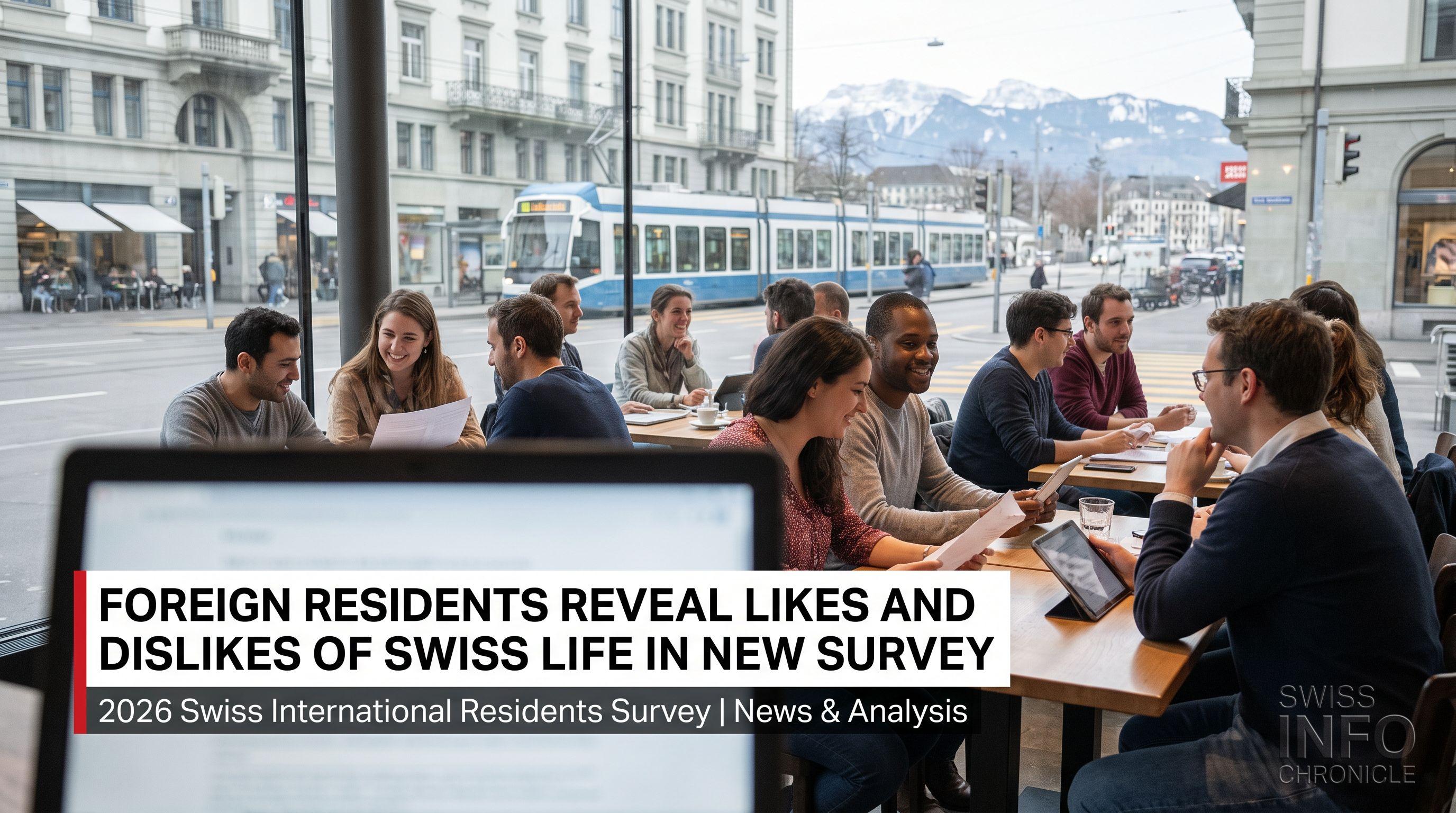
Foreign Residents Reveal Likes and Dislikes of Swiss Life in New Survey
A 2026 survey of international residents in Switzerland offers a candid look into the pros and cons of living in the country. While offering numerous benefits, the survey also reveals persistent downsides and challenges faced by the expat community.
The Golden Handcuffs: Salaries Surge While Social Barriers Stand Firm
Switzerland’s economic magnet has never been stronger, but it comes with a psychological price tag. In 2026, the allure of the Swiss franc remains the undisputed champion of expat motivations, with high salaries cited as the primary 'plus' for an overwhelming majority of international residents. This financial security provides a quality of life that is virtually unparalleled in Europe. However, this prosperity creates a 'golden handcuff' effect where residents feel tethered to the country by wealth while struggling to find emotional roots. The 2026 survey data confirms that while bank accounts are swelling, the social capital of many newcomers is stagnating. The contrast is stark: Switzerland offers the world's most stable currency but some of its most rigid social structures. This dichotomy is defining the modern expat experience, forcing a new generation of global talent to weigh the value of a high-octane paycheck against the quiet isolation of the Alpine lifestyle.
Efficiency Over Empathy: The High Cost of Swiss Perfection
Swiss infrastructure is a marvel of human engineering, yet its cold efficiency is increasingly cited as a double-edged sword. Foreigners routinely praise the surgical precision of the SBB train network and the flawless public services that make daily life frictionless. But this perfectionism fuels a cost of living that continues to soar, surpassing nearly every other global hub in 2026. The survey reveals a growing frustration with the 'perfection tax'—the high price paid for every service, from healthcare to a simple grocery run. Residents are grappling with a reality where everything works perfectly, but nothing is affordable. This creates a high-pressure environment where the margin for error is slim. The relentless pursuit of order, while a hallmark of Swiss success, often leaves international residents feeling like cogs in a very expensive, very well-oiled machine rather than members of a vibrant community. As we move further into 2026, the debate shifts from 'how much can I earn?' to 'how much is left after the Swiss machine takes its share?'
Integration Under Pressure: Breaking the 'Glass Wall' of Swiss Culture
Breaking into Swiss social circles remains the most significant hurdle for the international community in 2026. Despite the country’s outward-looking economy, the 'glass wall' of Swiss culture remains remarkably thick. Survey respondents frequently highlight the difficulty of moving beyond polite 'neighborly' interactions to genuine friendships. This cultural friction is not just a social nuisance; it is a critical factor in long-term retention of skilled labor. While the Swiss value privacy and discretion, many expats interpret this as coldness or exclusion. The 2026 data suggests a widening gap between the professional ease of working in Switzerland and the personal difficulty of living there. This 'integration deficit' is forcing many to live in expat bubbles, further insulating them from the very culture they moved to join. The challenge for Switzerland moving forward is whether it can evolve its social fabric to be as inclusive as its economy is competitive.
The 2027 Outlook: A Nation Grappling with Its Own Success
The implications of the 2026 survey are clear: Switzerland is at a crossroads of its own making. As the country continues to attract the world’s elite with promises of stability and high wages, it must confront the 'soft' factors that determine a nation's true livability. The persistent dislikes—cost, social isolation, and cultural rigidity—are no longer just complaints; they are economic risks. If Switzerland cannot find a way to make its society as accessible as its banks, it risks a 'brain drain' where talent stays for the bonus but leaves for the lifestyle. Looking ahead to 2027, expect a renewed focus on social integration initiatives and a potential cooling of the red-hot cost of living as the government faces pressure to maintain the country's status as a top-tier destination. The Swiss dream is still alive, but in 2026, it requires a more nuanced balance between the wallet and the heart.