environment
Climate Change Report Warns of Increasing Drought Risks in Switzerland
Federal Office for the Environment releases new assessment highlighting growing climate-related threats through 2060, with particular focus on summer droughts.
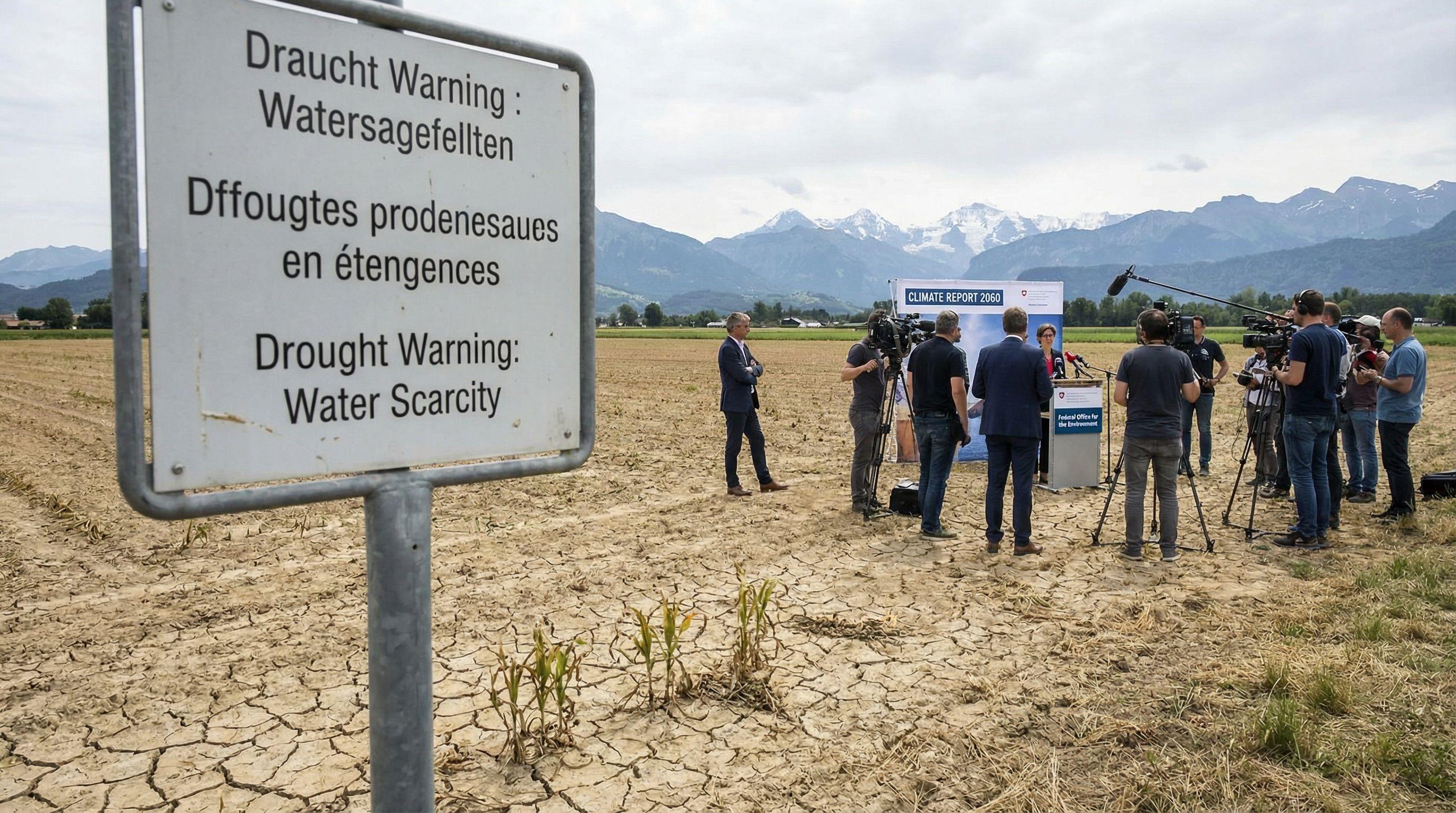
New Climate Report Reveals Growing Drought Risks
Switzerland faces escalating climate-related challenges according to a comprehensive new assessment released by the Federal Office for the Environment (FOEN). The report, which projects climate risks through 2060, presents a stark warning about the country's vulnerability to increasing drought conditions and other climate-related threats. This latest analysis builds upon the previous assessment from 2017, highlighting an increasingly urgent need for action in the face of accelerating climate change impacts.
Key Climate Risks and Projections
The FOEN report identifies 34 distinct climate risks facing Switzerland, with summer droughts emerging as a critical concern. Scientific projections indicate summer rainfall could decrease by up to 25% by 2060, while periods of extreme heat and heatwaves are expected to become more frequent and severe. Paradoxically, the report also warns of increased risks from intense rainfall events, highlighting the complex nature of climate change impacts on Switzerland's weather patterns.
Regional and Social Impacts
The impacts of climate change will not be uniform across Swiss society and geography. Mountain regions face particular challenges, including shrinking snow seasons that threaten winter tourism and changing landscapes that pose both physical and economic risks. Vulnerable populations, including the elderly, those with chronic illnesses, pregnant women, and young children, face heightened risks from extreme heat events. Workers in construction, agriculture, and winter tourism sectors are identified as particularly exposed to climate-related risks. The report notably emphasizes that any potential benefits of a warmer climate will be significantly outweighed by the negative impacts.
Adaptation and Mitigation Strategies
While the report emphasizes the importance of adaptation measures through better planning and targeted interventions, it clearly states that adaptation alone will not be sufficient. Switzerland's commitment to achieving net-zero greenhouse gas emissions by 2050 remains crucial for avoiding the most dangerous and irreversible consequences of climate change. The findings are designed to guide policymakers at all levels of government in prioritizing climate adaptation measures, with an emphasis on urgent action given the shortening timeline for effective response.