Conservation
Near-Extinct Black Alpine Pig Officially Recognised as Native Swiss Breed
The Swiss Federal Office for Agriculture has officially recognised the Black Alpine pig, saving the breed from the brink of extinction. Following breeding efforts resumed in 2013, it is now the only surviving ancient pig breed in Switzerland, a status that will likely unlock support measures for its conservation.
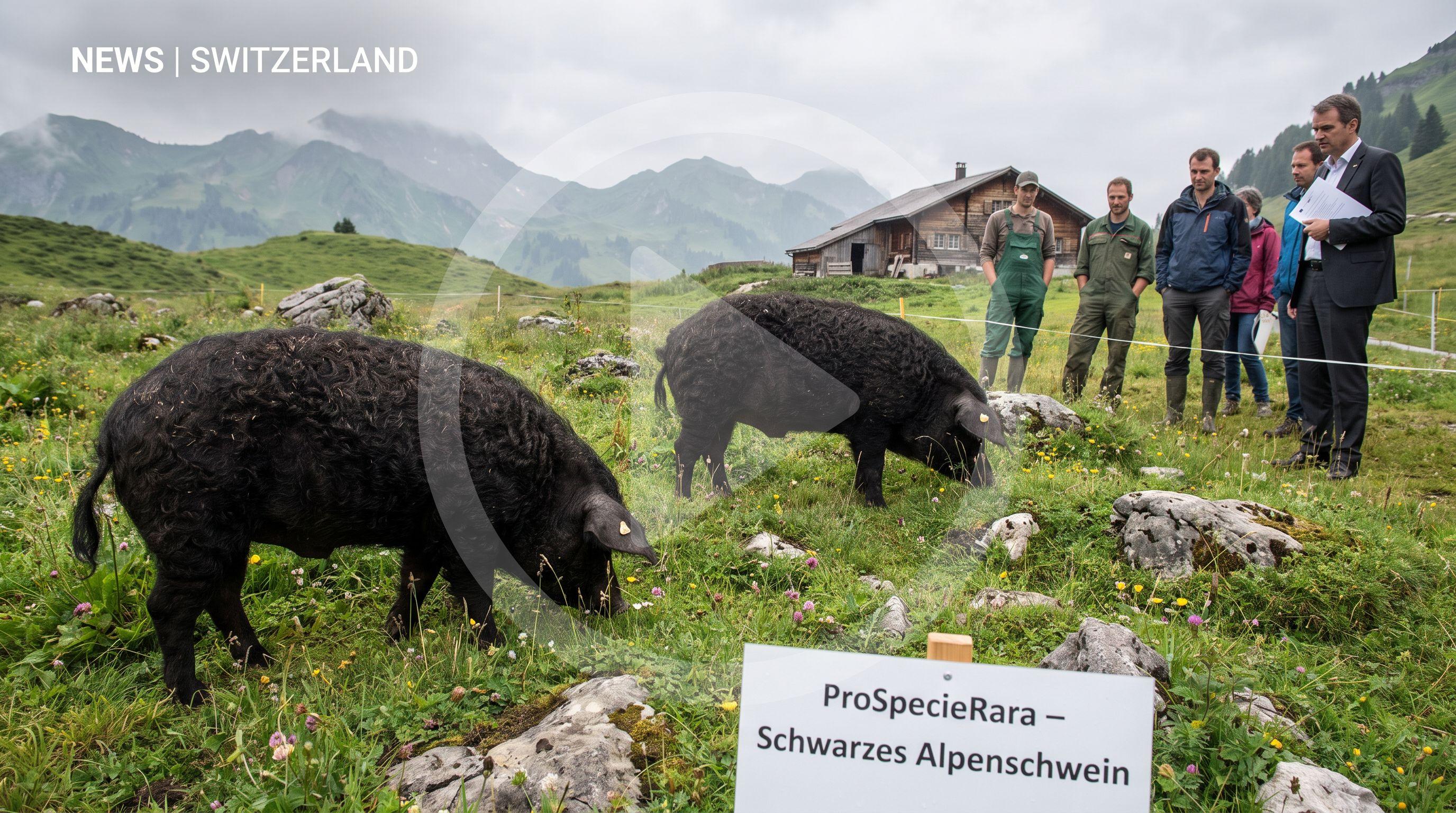
Switzerland Resurrects a Living Relic
Switzerland has officially pulled a piece of its agricultural soul back from the abyss. The Federal Office for Agriculture now recognizes the Black Alpine pig as a native breed, a decisive move that cements its status as the nation's only surviving ancient porcine lineage. This is not merely a bureaucratic checkbox; it is a victory for biodiversity that has been over a decade in the making. Since 2013, dedicated conservationists have fought to reverse a decline that nearly erased these animals from the Swiss landscape entirely. Today, the breed stands as a testament to Swiss resilience, transitioning from a 'lost' species to a protected national treasure. This recognition triggers immediate access to critical support measures and conservation funding, ensuring that the mistakes of the past—where modern industrial breeds pushed native varieties to the brink—are never repeated. The message from Bern is clear: Switzerland's heritage is not for sale, and it will not be forgotten.
Three Bloodlines Defy Total Extinction
Only three surviving bloodlines stood between the Black Alpine pig and total biological erasure. By 1980, the breed had vanished from the mainstream, with the last remaining specimens clinging to existence in the rugged terrain surrounding the Lukmanier and Splügen Passes. The scale of this recovery is staggering: from a handful of forgotten animals to a structured network of 25 breeding farms and 12 fattening farms operating across the country today. This resurgence was fueled by the Patrimont breeding organization, which spearheaded the 2013 initiative to re-establish the population. While other ancient breeds succumbed to the pressures of high-yield industrial farming, the Black Alpine pig survived in the shadows of the peaks. This narrow genetic bottleneck has been successfully navigated, creating a stable foundation for a population that is now visible to the public at prestigious sites like the Ballenberg Open Air Museum and Goldau Wildlife Park. The recovery is an unprecedented success story in Swiss animal husbandry.
Mountain Mastery: Built for the Peaks
The Black Alpine pig is a biological marvel specifically engineered by nature for the harsh Swiss climate. Unlike pink industrial breeds that grapple with the intense UV radiation of high altitudes, these pigs possess a deep, dark pigmentation that makes them naturally immune to sunburn. Their anatomy is a direct response to the vertical world they inhabit: they sport a shorter, more compact torso and significantly longer legs than their lowland counterparts, allowing them to navigate steep, rocky slopes with ease. Because of these specialized traits, the breed is exclusively supplied to farms in mountainous regions, ensuring they remain in the environment where they thrive best. While modern breeds require climate-controlled housing, the Black Alpine pig confronts the elements head-on. This 'mountain mastery' makes them an essential asset for sustainable alpine agriculture, offering a hardy alternative to sensitive commercial breeds that struggle in the Swiss highlands.
Securing the Future of Swiss Biodiversity
The federal recognition of the Black Alpine pig marks a critical turning point for Swiss biodiversity. This status change is more than symbolic; it unlocks the financial and structural support necessary to scale the population beyond its current niche. However, the struggle for native Swiss breeds continues. While the Black Alpine pig has secured its future, other traditional livestock, including various Swiss cow breeds, continue to grapple with the dominance of globalized genetics. This victory serves as a blueprint for how Switzerland can protect its agricultural identity. By integrating these animals into exhibition enclosures at Zoolino Zurich and other public parks, the nation is educating a new generation on the importance of genetic diversity. The goal is no longer just survival—it is thriving. As the Federal Office for Agriculture integrates the Black Alpine pig into its long-term strategy, Switzerland reaffirms its commitment to a diverse, resilient, and authentically Swiss ecosystem. The ancient pig of the Alps is back, and this time, it is here to stay.