Public Health
Basel Legionnaires' Disease Outbreak Worsens with New Cases Reported
The Legionnaires' disease outbreak in Basel has now affected 28 people, with two new cases reported and several individuals still hospitalized. Authorities believe cooling towers on a city building are the likely source and have taken them out of service for investigation.
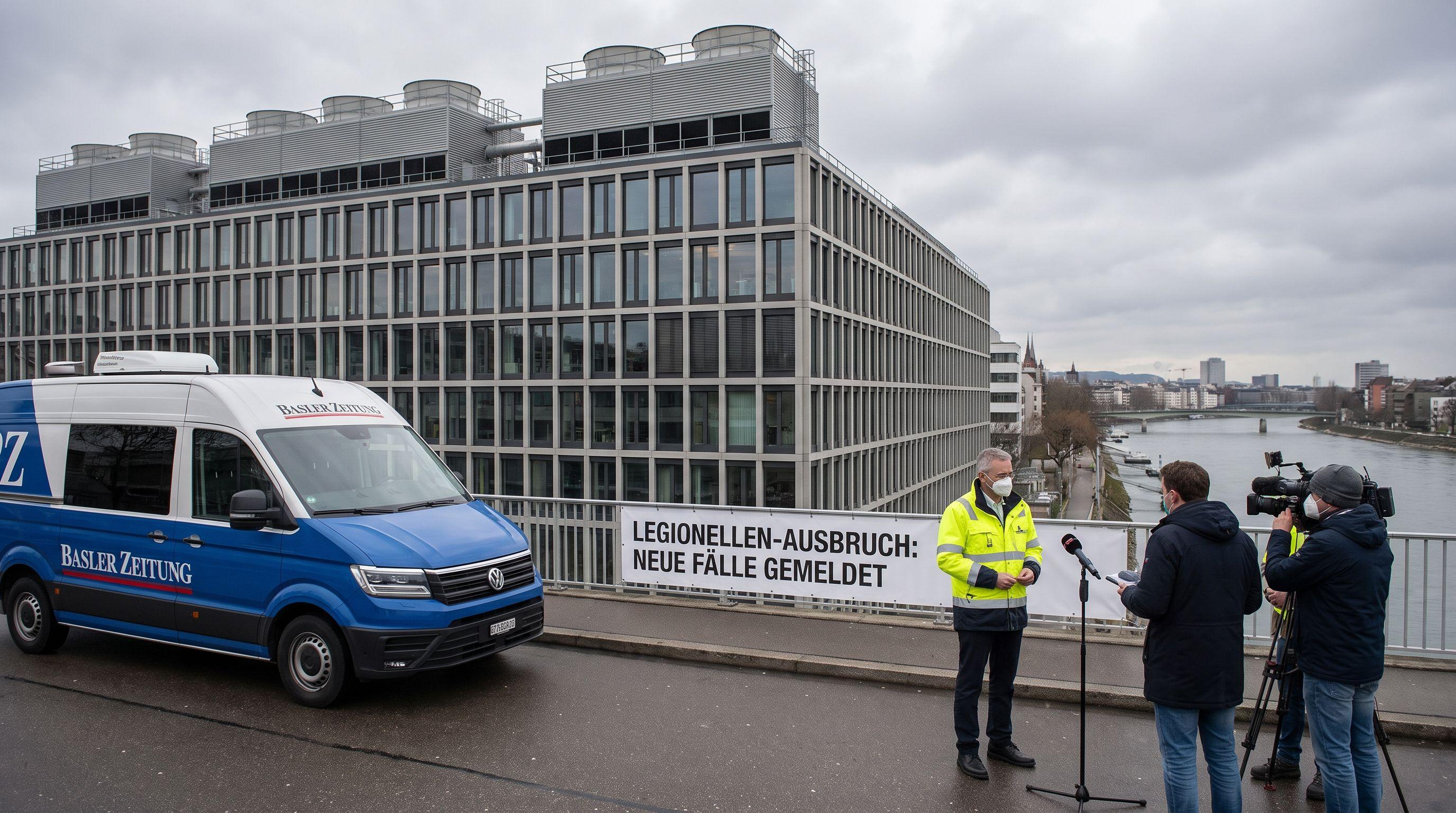
Basel Grapples with Escalating Health Crisis
A staggering 28 individuals have now fallen victim to the Legionnaires' disease outbreak gripping Basel, as two fresh cases shatter hopes of an immediate resolution. This public health emergency has already claimed one life, sending shockwaves through the Rhine-side city. Authorities are moving with unprecedented speed to contain the spread, yet the toll continues to climb. What began as a localized cluster has surged into a significant medical event, forcing health officials into a high-stakes race against an invisible killer. The bacterium, Legionella pneumophila, has effectively laid siege to the city's central districts, particularly near the river, where the majority of cases have flared up. While the disease does not jump from person to person, its ability to travel through the air via water droplets makes every cooling system a potential weapon. Basel-City's health department remains on high alert, urging any resident experiencing sudden fever or shortness of breath to seek immediate medical intervention. The situation is evolving by the hour as investigators peel back the layers of this environmental mystery.
Lethal Bacteria Lurking in the Skyline
Investigators have zeroed in on the roof of the Manor retail store’s head office in Kleinbasel, where two cooling towers tested positive for alarming levels of Legionella. Out of 10 facilities scrutinized across the city, these specific towers emerged as the primary suspects in this deadly outbreak. Authorities have already decommissioned the units, but the damage is done. These systems, designed to regulate building temperatures, instead became breeding grounds for the pathogen, misting the surrounding streets with contaminated vapor. The Swiss Association for Air and Water Hygiene is now confronting a grim reality: even the most modern urban infrastructure can become a hazard if maintenance slips. While properly maintained systems pose no risk, the failure at this site has proven catastrophic. The towers are currently undergoing a rigorous refurbishment, but the investigation continues to probe whether other sources contributed to the 'cluster' effect observed near the Rhine. This incident exposes a critical vulnerability in urban climate control systems that many residents take for granted.
Hospitals Confront the Critical Influx
The clinical reality of this outbreak is harrowing: over 90% of those infected required immediate hospitalization. At the height of the crisis, seven patients were fighting for their lives in intensive care, highlighting the sheer virulence of this specific strain. Currently, six individuals remain confined to hospital beds, though one patient was recently moved out of intensive care—a rare glimmer of hope in a week defined by tragedy. Legionnaires' disease is no mere flu; it is a severe form of pneumonia that ravages the lungs, causing muscle pain, lethargy, and in the most severe cases, coughing up blood. The medical services in Basel-Stadt are working under immense pressure to stabilize the remaining patients using aggressive antibiotic treatments. This outbreak serves as a stark reminder of the fragility of public health; while the city boasts world-class medical facilities, the sudden influx of critical respiratory cases has tested the limits of local intensive care units. The focus now shifts to ensuring no further fatalities occur as the latest two patients begin their recovery journey.
Switzerland Demands Rigorous Hygiene Standards
In the wake of this disaster, the Swiss Association for Air and Water Hygiene has issued a forceful call to action, demanding that all operators of evaporative cooling systems adhere to the strictest technical standards. This is no longer just a matter of maintenance; it is a matter of public safety. The association insists that responsibilities must be clearly defined and that only qualified staff should manage these high-risk systems. Basel’s tragedy is likely to trigger a nationwide review of building safety protocols. Moving forward, the canton of Basel-Stadt will continue its rigorous monitoring and inspection regime to ensure that the 'shut down' of the Manor towers was not too little, too late. For Switzerland, a country that prides itself on precision and cleanliness, this outbreak is a dramatic wake-up call. The implications are clear: the cost of negligence is measured in human lives. As the investigation concludes, the focus will inevitably turn toward stricter legislation to prevent such a critical failure from ever recurring in a Swiss city. The eyes of the nation remain on Basel as it recovers from this unprecedented biological breach.